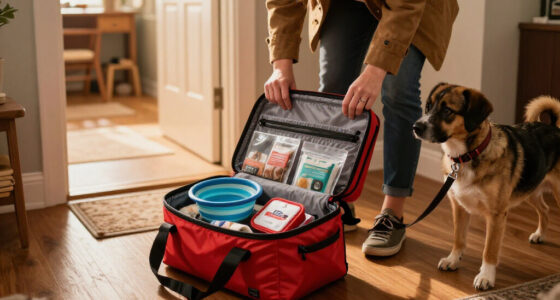
This checklist is for households preparing to keep essential devices and routines going through a power outage or emergency. It brings together backup power, lighting, weather updates, and the connection between a generator and the equipment it serves.

Get emergency and outdoor gear delivered free with Prime
- Fast, free delivery on millions of items
- Prime Video, Amazon Music and more included
- Member-only deals all year
The sections follow the roles of the listed picks: a portable power station, a dual fuel generator, a folding solar panel, rechargeable headlamps, a battery-powered radio, and a heavy-duty extension cord. Each slot highlights fit and compatibility considerations to check against your own setup.
Start by listing what you need to power, where you will use it, and how you will keep it charged or supplied. Compare that list with the product details and connections before buying; names alone do not confirm runtime, included accessories, or compatibility with your equipment.
Portable Power Station
A portable power station can serve as a central backup-power option for devices you can connect directly. Before choosing the Jackery Solar Generator 5000 Plus Portable Power Station, 5040Wh LiFeP, list the equipment you want to run and check each device’s input requirements against the station’s specifications. The product name alone does not establish which ports are included, how much power a device draws, or how long it will run.
A common buying mistake is treating a capacity figure as a promise of runtime for every load. Actual use depends on the connected equipment and operating conditions, so compare the maker’s specifications with your own intended setup. Check the output types and limits, charging options, dimensions, and weight, and confirm that the unit can be placed and moved where you plan to use it. If you expect to pair it with solar equipment, verify supported input and connector compatibility before purchase.
Think through storage and access, too: where the station will be kept, who may need to operate it, and which cables or adapters your devices require. A prepared list can help you avoid buying a station that lacks a necessary connection or does not suit your power needs and space.
What to look for:
- Compare output types and limits with the devices you plan to connect.
- Check supported charging inputs and solar compatibility.
- Confirm dimensions, weight, and a practical storage location.
- Identify any cables or adapters your equipment needs.
- Review the manufacturer’s specifications for capacity and intended use.
Jackery Solar Generator 5000 Plus Portable Power Station, 5040Wh LiFePO4, 7200W,

This portable power station has a 5040Wh LiFePO4 battery and delivers 7200W of rated power with 120V and 240V output for home or RV backup. It supports expansion up to 60kWh, solar input up to 4000W, and can connect to a compatible transfer switch for powering household circuits.
Pros:
- High output supports major appliances
- Expandable capacity for extended backup
- LiFePO4 cells are rated for up to 11 years of daily use
- Supports solar charging
Cons:
- Solar panels are optional and not included
- Transfer switch is required for powering household circuits
Best for: Households comparing a portable station with their essential devices
Not ideal for: Buyers who have not checked output and charging compatibility
Bottom line: Match the station’s documented outputs and charging inputs to your equipment before choosing it.
Dual Fuel Generator
A dual fuel generator belongs on a home emergency checklist when you are evaluating a generator-based way to supply power. The listed Westinghouse pick is described as a tri-fuel portable generator, so review its fuel options and operating instructions directly with the manufacturer rather than relying on the shortened product name. Confirm which fuels it supports and what connections or accessories are required for the setup you intend to use.
A frequent mistake is choosing by peak wattage alone. Make an inventory of the equipment you hope to run, consult its starting and running requirements, and compare the combined load with the generator’s specifications. Check the generator’s outlets and connection requirements as well. The product title does not establish which outlets, cords, or accessories are included, or whether a particular appliance is compatible. Planning for the actual load and connections helps surface mismatches before an outage.
Also consider where the generator will be operated and stored, who will handle setup, and how you will follow the manufacturer’s safety and ventilation guidance. Read the manual for fuel handling, placement, and operation before use. These practical checks help you decide whether this portable generator fits your household’s equipment and operating plan.
What to look for:
- Verify supported fuels, required connections, and operating instructions.
- Compare generator capacity with the starting and running needs of intended equipment.
- Check outlet types and the connections your devices require.
- Confirm what cords and accessories are included or needed.
- Review manufacturer guidance for placement, ventilation, storage, and operation.
Westinghouse 14500 Peak Watt Tri-Fuel Portable Generator with Remote Electric St
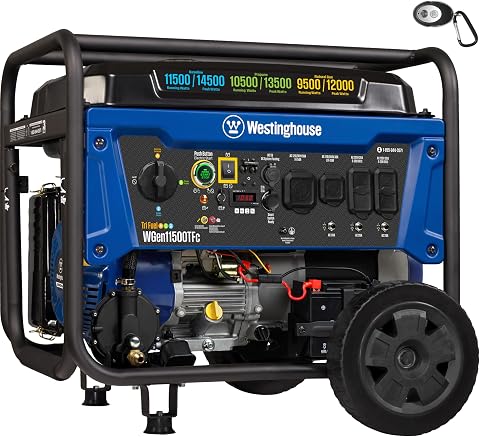
This versatile portable generator provides up to 14,500 peak watts and 11,500 running watts with gasoline, and can also run on propane or natural gas. It features a durable 550cc engine, long runtime, and low THD for sensitive electronics, making it ideal for backup power or outdoor use.
Pros:
- High peak and running wattage suitable for large homes
- Tri-fuel capability for versatile fuel options
- Long runtime on a full tank
- Low THD for sensitive electronics
Cons:
- Heavy and potentially difficult to transport
- May contain residual oil or fuel odor after factory testing
Best for: Households assessing generator power and fuel compatibility
Not ideal for: Buyers who have not inventoried loads or reviewed operating guidance
Bottom line: Check fuel support, connection types, and equipment loads against the manufacturer’s documentation.
Folding Solar Panel
A folding solar panel can be considered as part of a plan to recharge compatible equipment when sunlight is available. The Renogy 400W Portable Solar Panel is the listed pick, but the product name does not confirm which power stations it supports or which cables come with it. Before selecting it, check the panel’s connector and input compatibility against the device you intend to charge.
A common mistake is assuming the wattage in a product title guarantees a particular charging result. Conditions and the connected equipment affect charging, so use the manufacturer’s specifications to understand supported input and expected setup. Check panel dimensions when folded and open, weight, deployment requirements, and how you will position it in the location you plan to use. Review whether your power station or other equipment requires an adapter, and verify the complete connection path before purchase.
Consider how the panel will fit into your storage and emergency routines. Think about who will set it up, where it can be positioned, and how you will keep the panel and its cables together. If charging a particular station is the goal, confirm compatibility with that station’s documentation rather than assuming two products with similar connector descriptions will work together. That extra check can keep your solar charging plan grounded in the equipment you actually own.
What to look for:
- Confirm supported input specifications for the device you intend to charge.
- Match panel connectors and required cables or adapters to your equipment.
- Check folded and open dimensions, weight, and deployment requirements.
- Review manufacturer information about charging conditions and setup.
- Plan how the panel and its accessories will be stored and transported.
Renogy 400W Portable Solar Panel

This lightweight, foldable 400W solar panel is designed for portability and durability, making it ideal for RV trips, camping, and off-grid use. Constructed with premium materials and weatherproof coatings, it provides reliable power in harsh conditions and features quick setup and efficient partial shading performance.
Pros:
- Highly portable and lightweight design with a carry case
- Durable construction with weatherproof and hail-resistant coatings
- Quick and easy setup without tools
- Efficient partial shading performance
Cons:
- Limited to 400W capacity, may not suit larger power needs
- Price not specified in the description
- Requires compatible portable power stations for optimal use
Best for: Buyers checking solar input for compatible equipment
Not ideal for: Anyone assuming the panel works with every power station
Bottom line: Verify the panel’s connectors and supported input against your charging equipment.
Rechargeable Headlamp
Lighting is a practical part of emergency preparation, especially when you need both hands for a task. This checklist includes a 12-Pack LED Headlamp Rechargeable, 1200 High Lumen Head Lamp. The product name indicates a pack and rechargeable headlamps; check the listing for the included quantity and charging method, since the title alone does not confirm accessories or charging connections.
A common buying mistake is focusing on a lumen figure without considering the way the light will be used. Review the manufacturer’s description for modes, beam adjustment, controls, and runtime information, then compare those details with your household’s tasks. For fit, check whether the headband adjusts to the intended users and whether the lamp can be worn comfortably over any headwear you expect to use. If several household members may need lights at once, verify the number of usable units and how each one is charged.
Plan where the headlamps and charging cables will live, and how you will recharge them when mains power is unavailable. Confirm the charging method works with your backup equipment if that is part of the plan. Keeping the lights together and checking the manufacturer’s care instructions can make them easier to locate and maintain. These simple checks help ensure the selected headlamps fit your users and emergency routine.
What to look for:
- Verify pack quantity and what accessories are included.
- Check charging method, connectors, and backup charging compatibility.
- Review modes, adjustment, and runtime details in the listing.
- Confirm headband fit for intended users and headwear.
- Plan storage and charging for the full set.
12-Pack LED Headlamp Rechargeable, 1200 High Lumen Head Lamp
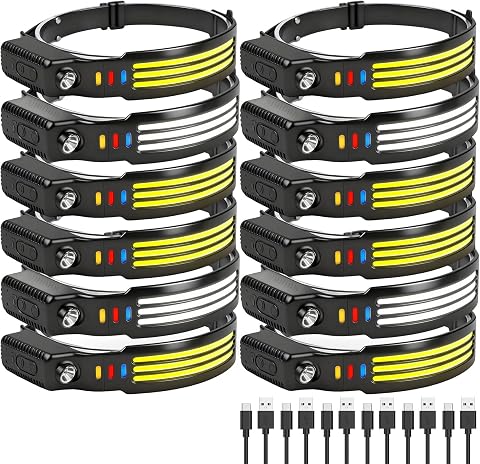
This set includes 12 USB rechargeable headlamps, each delivering 1200 lumens of bright light with a wide 230° beam angle. Designed for outdoor activities, they feature five versatile modes and an IPX6 waterproof rating, suitable for camping, hiking, and running.
Pros:
- High brightness with 1200 lumens
- Wide beam angle for better coverage
- Multiple light modes for versatility
- Waterproof design suitable for outdoor use
Cons:
- Battery life details not specified
- Bulkier design may be less comfortable for extended wear
Best for: Households comparing rechargeable lights for shared use
Not ideal for: Buyers who have not checked charging needs or fit
Bottom line: Confirm the quantity, charging method, and adjustable fit for everyone who may use a headlamp.
Battery-Powered Radio
A battery-powered radio can support a plan for receiving weather and emergency information when other devices are unavailable. The listed Sangean U4 Weather Alert Radio with Bluetooth, AM/FM, Aux-in, Yellow names several features, but check the product documentation for power requirements and alert functions. Confirm whether it uses batteries, an external power source, or both, and what kind and quantity of batteries are needed if applicable.
A common mistake is assuming a feature in a product title answers every compatibility question. Review the manufacturer’s specifications for the radio’s supported bands, alert functions, controls, and power options. If you plan to use Bluetooth or the Aux-in connection, confirm that the devices you intend to connect are supported and that you have the appropriate cable or charging plan. The title does not establish included accessories or battery life, so check the full product details before relying on those features.
Consider where the radio will be used and stored, whether its controls are practical for intended users, and how you will keep it powered during an outage. If alerts are part of your preparedness plan, read the setup instructions and verify the service and settings available for your location. Keeping the radio with its documented power source and instructions makes it easier to use when needed. These checks help you assess its role in your information plan.
What to look for:
- Confirm power sources, battery type, and quantity if batteries are required.
- Review supported bands and weather alert setup for your location.
- Check Bluetooth and Aux-in compatibility with intended devices.
- Verify included cables or accessories in the listing.
- Plan storage and a reliable way to keep the radio powered.
Sangean U4 Weather Alert Radio with Bluetooth, AM/FM, Aux-in, Yellow

The Sangean U4 is a rugged, rechargeable digital radio featuring AM/FM, weather alerts, Bluetooth streaming, and auxiliary input. It is IP64 certified for dust, water, and shock resistance, making it suitable for outdoor use.
Pros:
- Rugged and durable with IP64 water, dust, and shock resistance
- Includes NOAA weather channels and multiple alarm features
- Wireless Bluetooth streaming with NFC pairing
- Rechargeable with USB charging port
Cons:
- Limited to 7 watts speaker power, may not be loud enough for large outdoor areas
- Some users may find the interface complex due to multiple features
- No detailed information on battery life
Best for: Households planning how to receive radio information
Not ideal for: Buyers who have not checked power and alert requirements
Bottom line: Verify the radio’s power needs, alert setup, and connection compatibility before relying on it.
Heavy-Duty Extension Cord
An extension cord is a connection component in a generator setup, so its specifications need to match both the generator and the equipment being supplied. The listed Nilight 50 Amp 50 ft Generator Extension Cord, UL Listed Pure Copper W is described by its name as a 50 amp, 50-foot generator cord. Check the full listing and documentation for connector types and ratings, and confirm that they match your generator’s outlet and the intended equipment.
A common mistake is treating amperage and length as sufficient compatibility information. Review the generator manual and the cord documentation together, including the plug and receptacle configuration, rating, intended use, and any environmental guidance. Do not assume that a cord fits a particular generator because both are described as generator equipment. The product title also does not establish which appliances or distribution equipment can be connected safely. Check the entire connection chain before buying.
Measure the route from the generator location to the intended connection point and consider where the cord will be placed during use and stored afterward. Follow the manufacturer’s instructions for operation and inspect the cord as directed. If you are unsure whether the cord configuration matches your generator or equipment, consult the manufacturer or a qualified professional. These checks help keep the cord suitable for your planned generator setup.
What to look for:
- Match plug and receptacle configurations to generator and connected equipment.
- Verify amperage and other ratings in the cord documentation.
- Measure the needed route and check whether 50 feet suits the setup.
- Review intended use and environmental guidance from the manufacturer.
- Confirm the complete connection chain before purchase.
Nilight 50 Amp 50 ft Generator Extension Cord, UL Listed Pure Copper Wire

This 50 amp, 50-foot generator extension cord is designed for emergency backup power, RV use, tailgating, and outdoor camping. It features UL and ETL certification, pure copper wiring, and a durable weather-resistant PVC jacket for reliable performance in demanding conditions.
Pros:
- Constructed with pure copper wiring for high conductivity
- UL and ETL certified for safety and quality
- Weather-resistant jacket protects against outdoor elements
- Flexible design makes coiling and storage easier
Cons:
- Heavy-duty construction may make the cord bulky
- 50 ft length may not be sufficient for longer-distance power needs
- Voltage drop can still occur with long 50-amp extension cord runs
Best for: Buyers matching a cord to a documented generator setup
Not ideal for: Anyone choosing by amperage and length alone
Bottom line: Confirm cord connectors and ratings against the generator manual and intended equipment.
Build the checklist in order of need: first identify the equipment that must keep running, then compare power sources, and afterward confirm solar charging, cords, lighting, and radio power requirements. Prioritize essential loads and compatibility before adding supporting gear, and use product documentation to resolve specifications that a title cannot answer.
You do not need to solve every detail at once. Start with a clear inventory, verify each connection and power requirement, and keep the relevant instructions with your equipment. A thoughtful, checked setup makes it easier to understand what each item can do and where it fits into your emergency plan.