
To stay snakebite smart, stay alert in tall grass, rocky areas, and near water. Wear sturdy boots and long pants, and watch your hands and feet. Keep a safe distance if you encounter a snake, and don’t try to handle or kill it—slowly back away. If bitten, stay calm, immobilize the limb, and seek emergency help immediately. Want to know more life-saving tips? Keep exploring to learn how proper action can make all the difference.
Key Takeaways
- Stay vigilant outdoors by watching your step and avoiding reaching into holes or dense vegetation.
- Wear protective clothing like sturdy boots and long pants to reduce bite risk.
- Keep calm and back away slowly if you encounter a snake, preventing defensive strikes.
- Immobilize and elevate the bitten limb, and seek immediate medical attention without applying ice or cutting the wound.
- Note the snake’s appearance from a safe distance to assist medical professionals, avoiding attempts to handle or kill it.
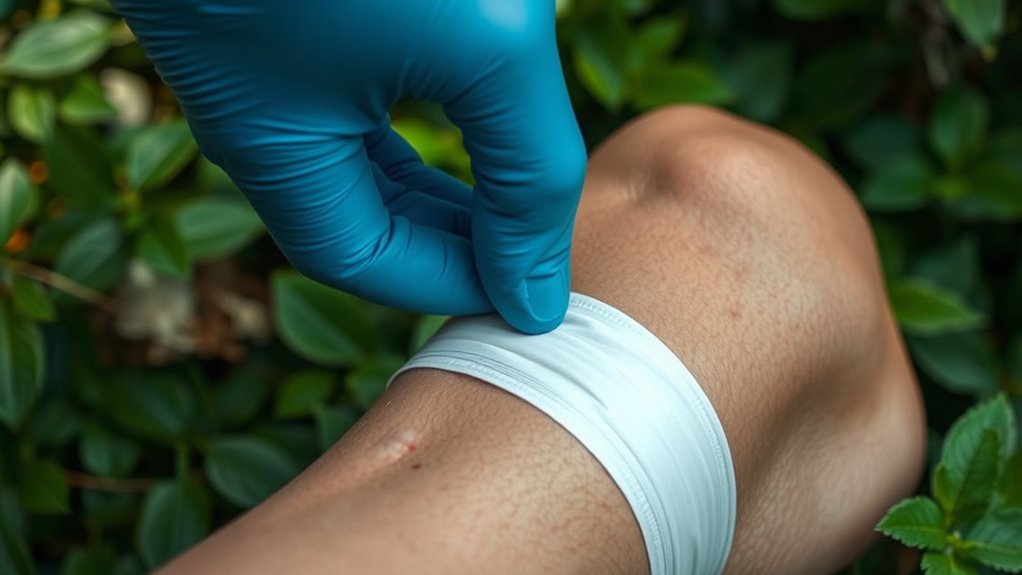
Snakebites can happen unexpectedly, especially if you’re exploring outdoor areas like forests, fields, or rocky terrains. When you’re out in nature, it’s easy to overlook the subtle signs that can lead to a bite. So, your first priority is prevention. Always stay alert and watch your step, especially in tall grass, underbrush, or rocky areas where snakes often hide. Wear sturdy boots and long pants to protect your legs and ankles, minimizing skin exposure. Avoid reaching into holes, logs, or dense vegetation without inspecting first, as snakes might be hiding just out of sight. Keep your hands and feet visible and avoid climbing over rocks or logs where a snake might be resting. Be cautious around water sources, as snakes often hunt near streams, ponds, or wetlands. If you see a snake, keep your distance—most bites occur when people try to handle or kill the snake. Remember, most snakes prefer to avoid confrontation; giving them space is usually enough to prevent an attack.
If you do encounter a snake, stay calm. Sudden movements can provoke it, increasing the risk of a bite. Back away slowly, maintaining eye contact without staring aggressively, which can be perceived as a threat. It’s best to give the snake a clear path to escape. If you’re hiking with others, warn them about the snake’s location without trying to move it or poke it, as this could trigger a defensive bite. Always carry a flashlight if you’re out at night or in dense vegetation, making it easier to spot snakes before you get too close. Staying vigilant and respecting wildlife boundaries is your best defense. Additionally, using airless paint sprayers or other tools properly can help you avoid accidents or injuries in outdoor work scenarios, emphasizing the importance of safety measures.
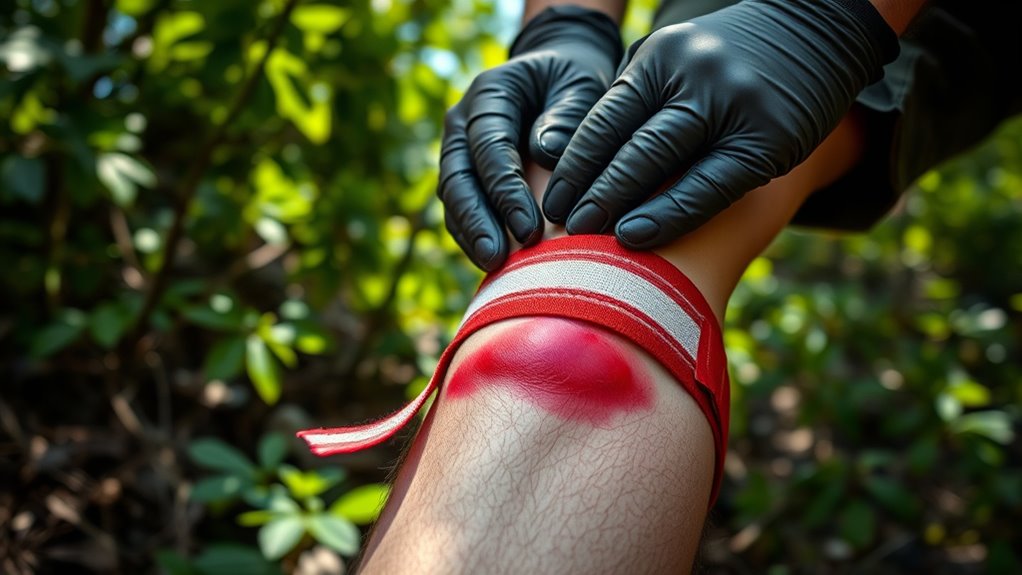
In case of a bite, your immediate response can be the difference between a manageable situation and a serious medical emergency. While prevention is key, knowing what to do if bitten is vital. Stay as calm as possible—panic increases your heart rate and speeds venom absorption. Immobilize the bitten limb and keep it lower than your heart level to slow the spread of venom. Remove tight clothing or jewelry near the bite site, as swelling can occur quickly. Do not try to cut the wound, suck out the venom, or apply ice; these methods can worsen tissue damage. Instead, clean the bite area gently with soap and water if available. Seek emergency medical help immediately. If possible, note the snake’s appearance from a safe distance to inform medical personnel, but do not attempt to capture or kill the snake. Your goal is to get professional treatment as fast as possible, so call emergency services or get someone to drive you to the nearest hospital. Remember, quick action and staying calm are your best tools for handling snake encounters safely.

EVERLIT Bee Sting & Snake Bite Kit with Venom Extracto Pump, Essential First Aid Supplies, Insect Bug Outdoor Emergency Safety Kit for Hiking Backpacking Camping Fishing Travel
- Comprehensive 40-Piece Emergency Kit: Includes extractor, CPR mask, tourniquet, and more
- One-Hand Suction Tool: Designed for quick, easy operation under pressure
- Compact and Lightweight: Measures 5.5x4x2 inches, weighs 6 oz
As an affiliate, we earn on qualifying purchases.
As an affiliate, we earn on qualifying purchases.
Frequently Asked Questions
What Are the Symptoms of a Snakebite Emergency?
You might notice symptoms like pain, swelling, and redness at the bite site, along with nausea, dizziness, or difficulty breathing. You could also experience rapid heartbeat, sweating, or weakness. If you see fang marks or suspect a snakebite, act quickly. Keep the affected limb immobilized and stay calm. Seek emergency medical help immediately to get antivenom and prevent serious complications. Your quick response can save lives.
How Do Different Snake Species Vary in Bite Severity?
Different snake species vary greatly in bite severity. Venomous snakes like vipers and cobras deliver potent toxins that can cause severe tissue damage, paralysis, or even death if untreated. Non-venomous snakes usually bite defensively and their bites are less harmful, though infection is possible. Always recognize snake types if possible, and seek immediate medical care, as the severity depends on the species, amount of venom, and your response.
Are There Any Home Remedies Effective for Snakebite?
Think of home remedies as band-aids on a sinking ship; they can’t stop the storm. There are no effective home remedies for snakebites. Instead, you should stay calm, keep the bitten limb immobilized, and seek emergency medical help immediately. Attempting to cut, suck, or apply ice can worsen the injury. Your best bet is professional care, where antivenom and proper treatment can truly save lives.
When Should I Seek Immediate Medical Attention?
You should seek immediate medical attention if you experience symptoms like intense pain, swelling, or redness around the bite, or if you notice nausea, dizziness, or difficulty breathing. Don’t wait to see if symptoms worsen. Call emergency services or go to the nearest hospital right away, especially if the bite is from a venomous snake or if you’re unsure about the snake’s species. Prompt treatment can save your life.
Can Snakebites Be Prevented With Protective Clothing?
Yes, wearing protective clothing can help prevent snakebites. You should wear thick, long pants, boots, and gloves when walking through areas with potential snake habitats. These barriers make it harder for snakes to reach your skin. Always stay alert, avoid tall grass and rocks, and stick to clear paths. Combining protective gear with careful movement considerably reduces your risk of being bitten, especially in snake-prone environments.
Conclusion
By staying alert and respecting the habits of these mysterious creatures, you can enjoy the outdoors safely. Remember, a gentle approach and quick action can turn a tricky situation into a simple story. Keep your wits about you, carry basic first aid supplies, and know the gentle steps to take if needed. With a little care and awareness, you’ll keep adventures fun and safe, letting nature’s wonders unfold without worry.