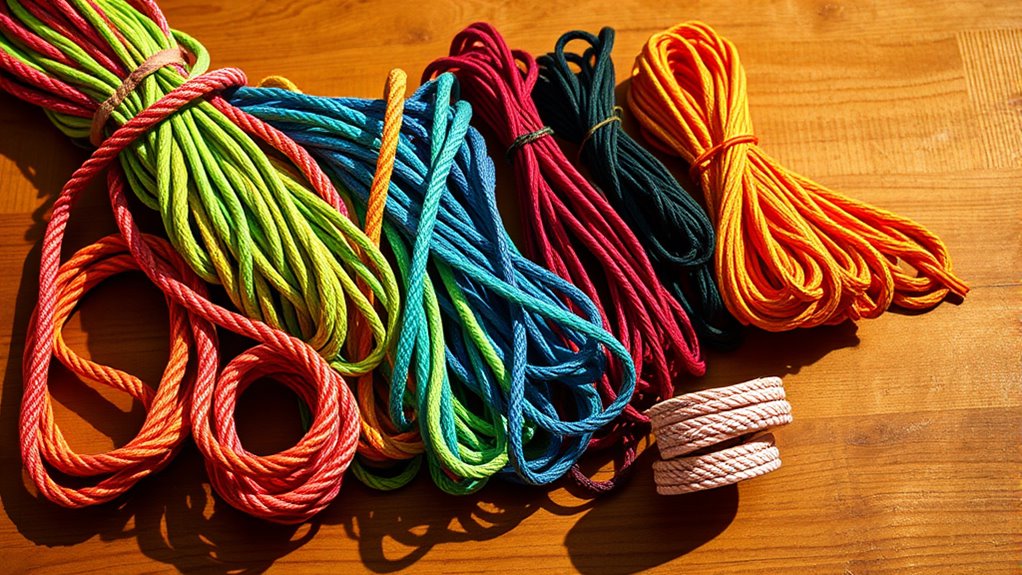

To guarantee safe use and storage of ropes, webbing, and paracord, always check for signs of wear like fraying, cuts, or fading before each use. Choose materials suited for your activity and practice tying secure knots without over-tightening. Store gear in a cool, dry place away from chemicals, and keep it neatly coiled or hung. Regular inspection and maintenance extend their lifespan and reliability, so keep these tips in mind to stay safe and get the most from your gear.
Open a free Amazon Business account
Business pricing, bulk buying and tax-exempt orders.
As an affiliate, we earn on qualifying purchases.
Key Takeaways
- Always inspect cords for wear, fraying, or damage before use; discard damaged items immediately.
- Store ropes and webbing in a cool, dry place away from sunlight and chemicals for longevity.
- Use appropriate knots for activity-specific needs to prevent slippage and gear damage.
- Clean with mild soap, rinse thoroughly, and air dry to maintain material integrity.
- Regularly check stored gear for deterioration and replace to ensure safety and reliability.
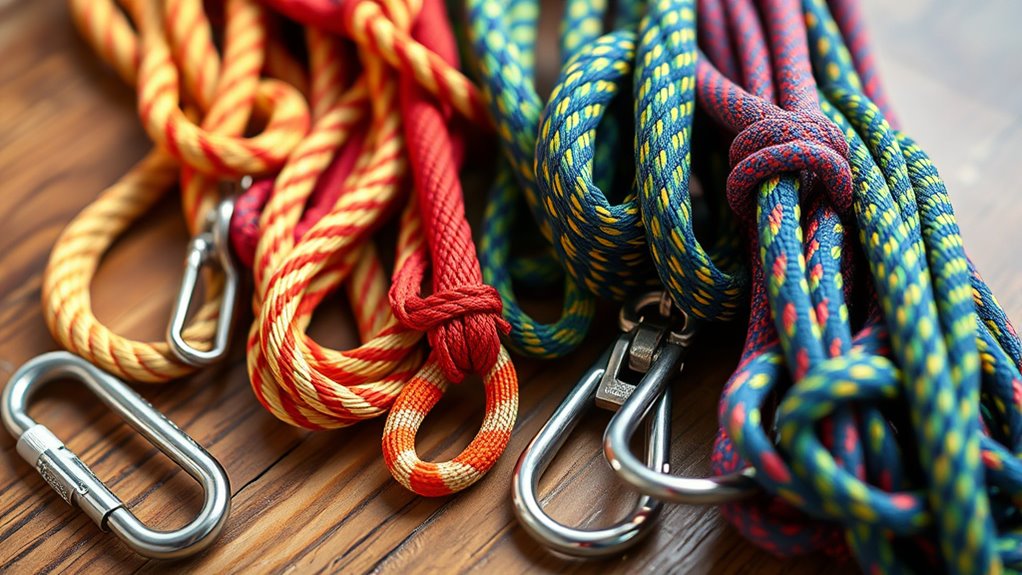
Ropes, webbing, and paracord are essential tools that serve a variety of purposes, from outdoor adventures to everyday tasks. You rely on these materials for safety, convenience, and security, but it’s vital to handle them properly to ensure they perform when you need them most. Proper use starts with understanding their strength and limitations. Always check for signs of wear, fraying, cuts, or fading before use. If you notice any damage, discard the cord or webbing immediately. Never attempt to repair torn or damaged rope, as it can compromise its integrity. When tying knots, make sure they are secure but not overly tight, to avoid weakening the material. Practice different knots suited for your activity, whether it’s climbing, securing loads, or crafting. Using the right knot for the right job not only enhances safety but also prolongs the lifespan of your gear. Additionally, understanding the fiber composition of your ropes and webbing can help you select the best material for specific conditions, such as exposure to water or UV light.
Storage plays a significant role in maintaining the safety and longevity of ropes, webbing, and paracord. Store them in a cool, dry place away from direct sunlight, which can degrade the fibers over time. Avoid storing these materials near chemicals, oils, or solvents that could weaken or damage the fibers. Coil ropes neatly to prevent kinks or tangles, and consider hanging webbing or paracord on hooks rather than stuffing them into drawers or containers. Keep them out of reach of children and pets to prevent accidental injuries or damage. Regularly inspect your stored gear for signs of deterioration, and replace any items that show signs of aging or damage. Proper storage not only prevents unnecessary wear but also guarantees your gear is ready to perform whenever you need it.
Cleaning your ropes and webbing is equally important. Use mild soap and water to remove dirt, mud, or debris, then air dry completely before storing. Avoid using harsh chemicals, bleach, or detergents that can weaken the fibers. When cleaning, handle the materials gently to prevent unnecessary stress or fraying. If you’re using paracord or webbing outdoors, rinse off saltwater or mud after each use to prevent corrosion and degradation. Never machine wash or tumble dry, as this can damage the fibers or distort the shape. By maintaining a regular inspection and cleaning routine, you extend the lifespan of your gear and keep it safe to use. Remember, your safety depends on the integrity of your ropes, webbing, and paracord, so treat them with care, and store them properly to guarantee they’re reliable when you need them most.
As an affiliate, we earn on qualifying purchases.
Frequently Asked Questions
How Can I Identify the Age of My Ropes or Webbing?
You can identify the age of your ropes or webbing by inspecting for signs of wear, such as fraying, discoloration, or stiffness, which often develop over time. Check for any visible damage or deformation. If there’s a label or manufacturing date, note it. Keep in mind, even if they look fine, older ropes may have weakened fibers. When in doubt, replace old or suspicious gear to guarantee safety.
What Are the Signs of Hidden Damage in Paracord?
You might notice hidden damage in your paracord if it feels unusually stiff or shows tiny frays or discoloration upon close inspection. Sometimes, you uncover weakened spots when you tug or load it, which could indicate internal breaks. Keep an eye out for areas that seem thinner or have inconsistent texture, as these signs often point to internal damage that’s not immediately visible but could compromise the cord’s strength and safety.
Can I Use Synthetic Ropes Outdoors in Saltwater?
Yes, you can use synthetic ropes outdoors in saltwater, but you need to take precautions. Rinse the rope thoroughly with fresh water after each use to remove salt and prevent corrosion. Check for signs of wear, such as fraying or stiffness, regularly. Store the rope in a cool, dry place away from direct sunlight. Proper maintenance guarantees your synthetic rope stays strong and safe for future use.
How Do Temperature Changes Affect Rope Strength?
Temperature changes can substantially impact your rope’s strength. When it’s cold, your rope may become brittle and less flexible, increasing the risk of breaking under stress. Conversely, high heat can weaken the fibers, reducing its load-bearing capacity. You should avoid exposing your rope to extreme temperatures, especially sudden shifts, to maintain its integrity. Always check manufacturer guidelines for specific temperature tolerances to ensure safe and effective use.
Is It Safe to Cut and Reassemble Webbing?
Cutting and reassembling webbing is like trying to patch a torn sail—it’s risky if not done correctly. You shouldn’t do it unless you’re trained and use proper techniques, like industrial stitching or specialized connectors. Otherwise, the integrity of the webbing can be compromised, risking failure during use. Always check the manufacturer’s guidelines, and when in doubt, replace the webbing entirely for safety’s sake.
Conclusion
Remember, your ropes, webbing, and paracord are like silent guardians—ready to support your adventures or keep you safe when you need it most. Treat them with care, store them in cool, dry places, and inspect them regularly, so they remain strong and reliable. When you handle these essentials with respect, you’ll feel confident, like a sturdy anchor in a shifting sea. Trust in their strength, and they’ll never let you down when it counts.
Flea & tick season Picks
flea and tick prevention
As an affiliate, we earn on qualifying purchases.