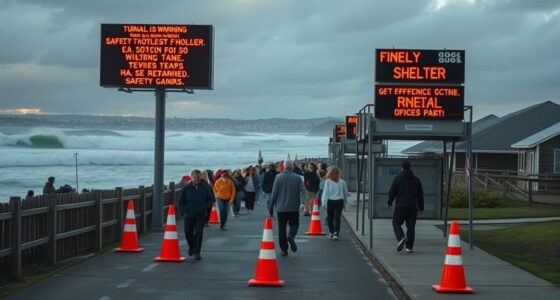
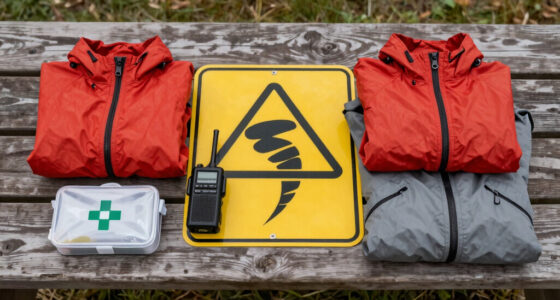
To defend against wildfires, create defensible space around your property by removing dead leaves, trimming vegetation, and using fire-resistant materials. Stay alert to local fire warnings, weather updates, and danger ratings to assess risks effectively. Prepare an emergency plan and supplies, and evacuate early if smoke or flames appear or if authorities advise. Acting quickly and staying informed can save lives and property—continue to learn how to strengthen your wildfire preparedness.
Open a free Amazon Business account
Business pricing, bulk buying and tax-exempt orders.
As an affiliate, we earn on qualifying purchases.
Key Takeaways
- Create defensible space by clearing flammable debris and maintaining safe distances between trees and structures.
- Monitor fire danger levels and stay informed through alerts, weather updates, and emergency notifications.
- Prepare an emergency kit, develop an evacuation plan, and ensure all household members understand the routes.
- Evacuate immediately at the first sign of fire or when authorities issue alerts to avoid dangerous, rapidly changing conditions.
- Follow designated evacuation routes, assist vulnerable neighbors, and prioritize safety over belongings during early departure.

Have you ever wondered how communities protect themselves from raging wildfires? It’s a combination of proactive planning, quick decision-making, and personal vigilance. The key to wildfire defense starts with creating defensible space around your property. This means clearing away dead leaves, branches, and other flammable materials from your yard and maintaining a safe distance between trees and structures. By doing so, you reduce the chances of fire spreading directly to your home. Trim overgrown vegetation and keep grass short, especially during dry seasons. Consider using fire-resistant landscaping materials, like gravel or stone, around your house. These small steps can make a significant difference in preventing a wildfire from turning into a disaster.
Staying aware of the fire conditions in your area is equally essential. Pay close attention to local alerts, weather forecasts, and fire danger ratings. Sign up for emergency notification systems so you get real-time updates straight to your phone or email. Knowing the fire risk level helps you make informed decisions about whether to stay home, prepare to evacuate, or take other precautions. It’s a good idea to have a plan in place, including an emergency kit with essentials like water, medications, important documents, and clothing. Keep your vehicle fueled and ready to go at a moment’s notice. Regularly review your evacuation plan with your family so everyone knows what to do if a fire approaches unexpectedly.
Evacuating early is one of the most critical steps in wildfire defense. Waiting too long can mean the difference between a safe escape and being caught in dangerous conditions. When authorities issue an evacuation notice, don’t delay. Fires can spread rapidly, and conditions can change in minutes. If you see smoke or flames nearby, don’t hesitate—leave immediately. Have a designated route and a backup plan in case roads are closed or blocked. Alert neighbors and loved ones, and help those who might need additional assistance, like the elderly or disabled. Remember, early evacuation not only protects your life but also ensures first responders can focus on controlling the fire rather than rescuing trapped individuals.
fire-resistant landscaping materials
As an affiliate, we earn on qualifying purchases.
As an affiliate, we earn on qualifying purchases.
Frequently Asked Questions
How Can I Prepare My Pets for Wildfire Evacuation?
You can prepare your pets for wildfire evacuation by keeping their essentials ready, like food, water, and medications, in a portable container. Practice quick evacuations so they get used to leaving fast. Keep a recent photo of each pet for identification. Make sure they wear collars with ID tags, and have a leash or carrier handy. Stay calm and gentle to reduce their stress during the evacuation process.
What Are the Best Tools for Wildfire Risk Assessment?
Tools for wildfire risk assessment include premier technology and trusted tools. You should utilize satellite surveillance systems that track fire activity and detect hotspots. Fire mapping software provides real-time risk zones and evacuation routes. Local weather apps inform you of changing conditions. Drones give a bird’s-eye view of fire spread. Combining these tools helps you stay prepared, proactive, and properly positioned to protect your property and loved ones from wildfire threats.
How Do Wildfire Seasons Vary Across Different Regions?
Wildfire seasons vary widely depending on your region’s climate, vegetation, and weather patterns. In the West, seasons often peak late summer to early fall due to dry conditions and high temperatures. In contrast, southern areas may experience year-round fire risks because of droughts and dense forests. You should stay informed about local fire seasons, prepare early, and follow regional alerts to guarantee safety during peak wildfire periods.
What Are the Legal Requirements for Creating Defensible Space?
You must clear flammable plants and debris, maintain a defensible space of at least 30 feet around your home, and use fire-resistant landscaping. Regulations vary by location, so check local codes for specific requirements. You’re required to remove dead vegetation and create buffer zones. Regular maintenance is essential, and some areas mandate fire-resistant building materials. Staying compliant helps protect your property and meets legal standards for wildfire safety.
How Can Community Efforts Enhance Wildfire Prevention?
You can enhance wildfire prevention by working together with your community to clear brush and dead vegetation, establish fire-safe zones, and educate residents on fire risks. Organize neighborhood cleanup events, share fire safety tips, and advocate for local policies that support fire-resistant landscaping. Your collective efforts create a stronger defense, reducing fire spread and ensuring everyone stays informed and prepared. Community action markedly lowers wildfire risks and saves lives.
Conclusion
Think of wildfire defense as tending a delicate garden. You create space by clearing brush, stay aware like an attentive gardener watching for pests, and evacuate early like pulling fragile plants to safety. Just as a gardener’s vigilance preserves beauty, your proactive actions protect your home and loved ones. When you act swiftly and thoughtfully, you become the steady hand guiding your landscape through the storm, ensuring that, no matter how fierce the fire, your safety remains rooted in preparedness.
NFL season / tailgating Picks
team gear
As an affiliate, we earn on qualifying purchases.