
When you need shelter in an urban environment, look for public benches in parks or plazas, especially shaded ones for quick rest and protection from weather. If necessary, abandoned buildings can provide more substantial cover, but be cautious of structural risks. Choosing well-trafficked, visible spots helps keep you safe while resting or hiding temporarily. Understanding your options and their potential dangers is key—there’s more to explore about staying safe and finding shelter nearby.
Key Takeaways
- Use well-lit, visible public benches in parks or streets for quick resting and shelter from weather.
- Identify abandoned buildings or structures with stable entry points for temporary refuge in emergencies.
- Prioritize safety by assessing structural integrity and avoiding hazardous areas when seeking shelter.
- Stay aware of surroundings and belongings to maintain security while resting in urban public spaces.
- Combine options like benches and buildings for extended shelter, ensuring cautious and informed decision-making.
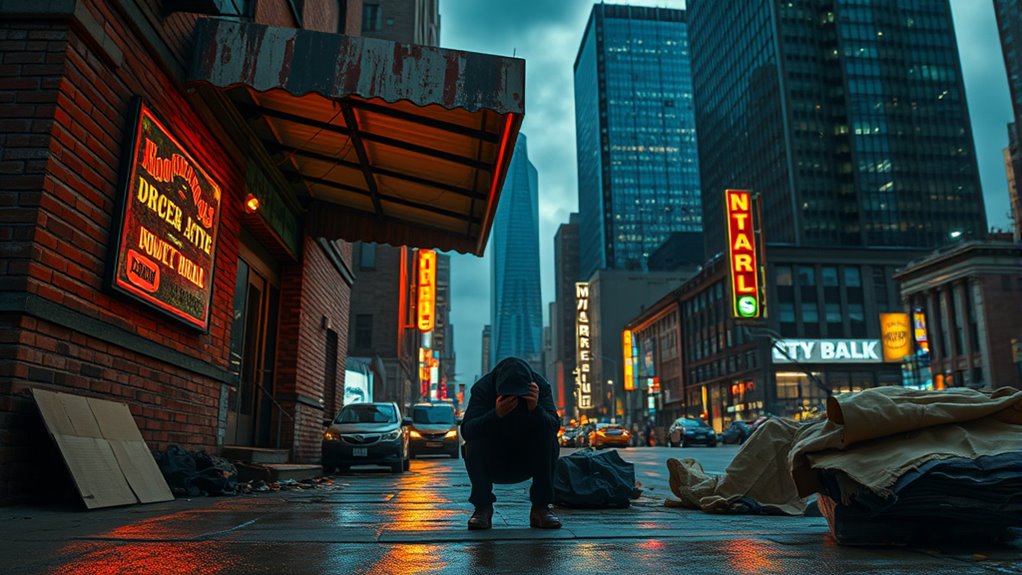
Have you ever wondered where to find safe, comfortable shelter amid the hustle and bustle of a city? In an urban environment, finding a spot to rest or hide from the elements can seem intimidating, but with a little knowledge, you can discover some surprisingly effective options. Public park benches are often overlooked, yet they serve as convenient resting places for anyone in need. Positioned in parks, plazas, and along busy streets, these benches offer a moment of respite in a busy city. They’re usually placed in shaded areas, providing relief from the sun, and many are designed with armrests or backrests for added comfort. While they’re intended for the public, they can also become quick shelters when you need a place to sit and gather your thoughts or wait out a storm. Just be mindful of the surroundings—keeping an eye on your belongings and choosing well-trafficked, visible spots can help you stay safe.
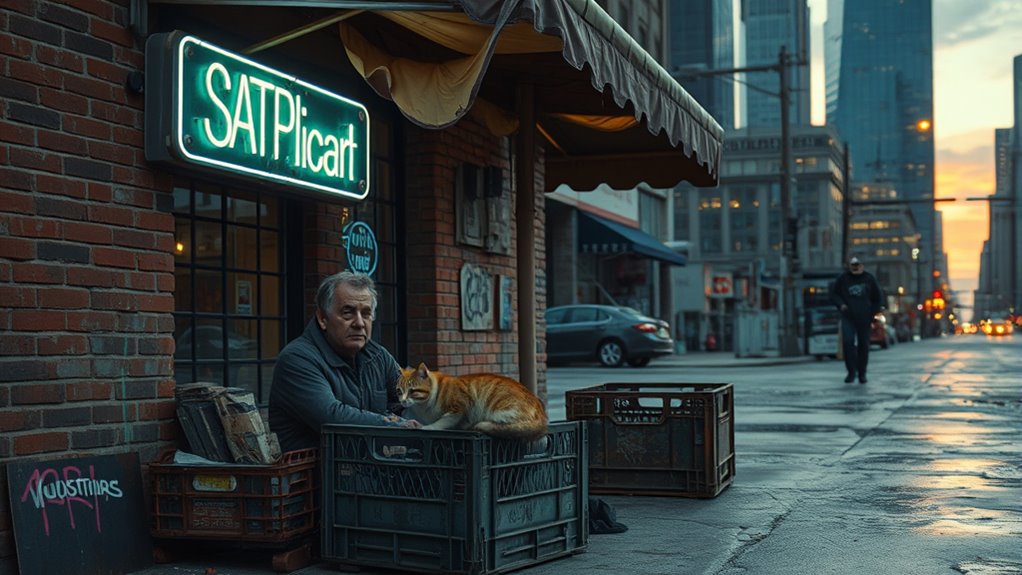
Beyond public benches, abandoned buildings might seem like off-limits or hazardous options, but they often become makeshift shelters for those in urgent need. These structures, left behind by economic shifts or urban decay, can provide a wall against wind and rain, and some are surprisingly spacious. If you decide to seek refuge inside, do so with caution. Be aware of structural integrity—avoid buildings with obvious damage or unstable floors. Look for entry points that are accessible but not overly conspicuous, like broken windows or open doors. While they’re not ideal or legal shelters, in emergency situations, abandoned buildings can offer a temporary escape from the weather or street exposure. Keep in mind that these spaces may also pose health risks, such as mold, pests, or debris. Always prioritize safety and try to find areas that are less likely to have squatters or other hazards.
Both public park benches and abandoned buildings serve as makeshift options in a pinch. The benches are a quick, accessible solution for resting during a walk or taking a break in a safe, open space. Abandoned buildings, on the other hand, can offer more extensive shelter when you’re caught in a storm or need to stay hidden from the cold. Interestingly, understanding the history of pinball machines can remind us of the importance of innovation and adaptation in urban environments, similar to how makeshift shelters adapt to immediate needs. While neither is perfect, understanding their potential and risks helps you make better decisions when seeking refuge in the city. Whether you’re simply resting or trying to find a temporary hideout, always prioritize your safety, stay aware of your surroundings, and use these options wisely. Urban environments are full of hidden spaces, and knowing where and how to use them can make a difference during tough times.

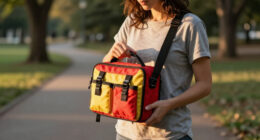
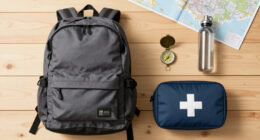
Survival Kit, 262Pcs Survival Gear and Supplies with First Aid Kit Pouch and Crossbody Bag, Emergency Kit with Tent, Camping Axe Hammer, Survival Shovel w/Pick, Bug Out Bag Gifts for Men Women
- Family Emergency Preparedness: Designed for 72-hour disaster survival
- First Aid Supplies: Includes comprehensive first aid kit in red pouch
- Survival Gear Included: Contains tools for food, water, warmth, and light
As an affiliate, we earn on qualifying purchases.
Frequently Asked Questions
How Can I Identify Hidden or Unrecognized Safe Shelters?
You can identify hidden spots and unrecognized sites by exploring alleys, abandoned buildings, and underground passages. Look for quiet, less obvious areas that are sturdy and discreet. Pay attention to local maps, community boards, or ask neighbors about hidden spots. Always assess safety, checking for structural stability and security. Trust your instincts, and keep an eye out for overlooked spaces that could serve as reliable shelter when needed.
What Are the Legal Considerations When Seeking Shelter in Public Spaces?
Finding shelter in public spaces is like walking a tightrope—you need to balance legality and safety. You must understand trespassing laws and public space regulations, which vary locally. Always seek designated shelters or areas where public use is permitted. Avoid private property without permission, as trespassing can lead to legal trouble. Respect signs and rules to stay within the law and protect your safety while seeking shelter.
How Do Weather Conditions Affect Shelter Options in Urban Areas?
Weather conditions greatly influence your shelter options in urban areas. During hot urban heat, you’ll want shade and ventilation to stay cool, so seek out shaded spots or sheltered areas. Wind protection is essential when gusts pick up, so find structures like building alcoves or bus stops that block the wind. Being aware of these factors helps you choose safer, more comfortable spots to rest despite changing weather.
What Resources Are Available for Vulnerable Populations Seeking Shelter?
You can access resources for vulnerable populations through community outreach programs that connect you with local shelters and services. Emergency contacts are essential; keep a list handy for quick help during crises. Many cities offer designated shelters, outreach centers, and hotlines specifically for those in need. Reach out to local nonprofits or government agencies to find immediate shelter options, and don’t hesitate to ask for assistance when you need it.
How Can I Stay Safe While Seeking Shelter at Night?
To stay safe while seeking shelter at night, prioritize well-lit areas with good lighting safety to deter potential threats. Stay aware of noise levels around you, as loud or unusual sounds can signal danger. Keep your belongings secure, avoid isolated spots, and trust your instincts. If possible, find spots near other people or security personnel. Always have a plan for quick access to help if needed, and remain alert at all times.
Conclusion
As night falls, your search for shelter becomes more urgent. Every shadow hides a new possibility, but also new risks. Will you find safety before the darkness takes over? The city holds secrets, some helpful, some dangerous. Keep moving, stay alert—your survival depends on it. The next step could be your salvation or your downfall. Are you ready to face what’s lurking in the shadows? The choice is yours, but time is running out.