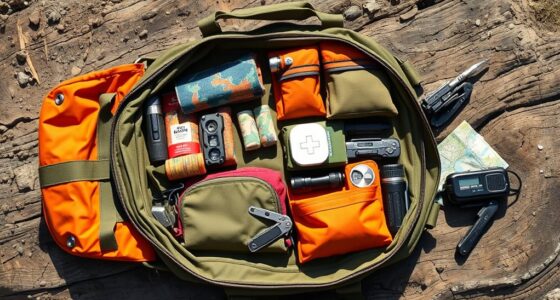
To adapt your survival plan for children, prioritize their safety and emotional needs by designating safe zones and teaching them how to reach them confidently. Establish a clear communication strategy using simple signals and keep child-specific supplies nearby. Regularly practice age-appropriate drills and involve your children in assembling emergency kits to build trust. Stay calm and reassuring during crises, as children mirror your behavior. To guarantee their well-being, you’ll want to learn more about tailoring your plan effectively.

Get emergency and outdoor gear delivered free — and shop member deals
- Fast, free delivery on millions of items
- Access to Prime Big Deal Days deals on October 6–7
- Prime Video, Amazon Music and more included
Key Takeaways
- Incorporate child-specific safety zones and emergency routes tailored to their age and needs.
- Use age-appropriate communication tools and teach children how to reach safe points confidently.
- Include comfort items and medical supplies in emergency kits to address children’s emotional and health needs.
- Practice regular drills with children to reinforce safety procedures and reduce panic during crises.
- Model calm, reassuring behavior to help children feel secure and promote proper responses during emergencies.

When creating survival plans, it’s essential to adapt them specifically for children’s needs, since their responses and safety requirements differ from adults. Children are naturally more vulnerable in emergencies, so your plan must prioritize their safety and ensure clear, effective communication. Child safety isn’t just about keeping them physically protected; it’s also about making them feel secure and informed during stressful situations. You should identify safe zones in your home and community where children can quickly find refuge, and teach them how to reach those spots confidently. Additionally, consider the specific needs of children, such as medical requirements, special medications, or comfort items like a favorite toy or blanket, to help reduce their anxiety.
Emergency communication is a critical part of any survival plan involving children. You need a reliable way to stay connected with them if separation occurs. This could include setting up a family communication plan that assigns a designated meeting spot and ensures everyone knows how to reach each other. Having a list of emergency contacts, including neighbors or nearby relatives, can facilitate quick assistance. For younger children, consider teaching them simple phrases or signals they can use if they’re lost or need help, such as “Help me” or pointing to your contact card. Equip children with a whistle or a small device they can use to attract attention if they’re in trouble, and ensure they understand when and how to use it.
It’s also wise to educate children on basic safety rules tailored to their level of understanding. Use age-appropriate language to explain why staying close, avoiding strangers, and following instructions are vital during an emergency. Practice drills regularly so they become familiar with what to do, reducing panic and confusion when real situations arise. Keep emergency supplies, like a child-specific first aid kit, within reach, and involve your children in assembling and understanding their contents. This not only empowers them but also helps build trust and confidence. Incorporating knowledge of reliable backup power can also be beneficial, ensuring that communication devices remain operational during extended emergencies.
Finally, remember that children often take cues from adults. Staying calm, organized, and reassuring during a crisis demonstrates the importance of staying composed. Your composed behavior can influence their reactions, helping them feel safer and more secure. By integrating child safety considerations and establishing solid emergency communication strategies, you’ll create a survival plan that better protects your children and ensures they’re prepared to face emergencies confidently and calmly.
As an affiliate, we earn on qualifying purchases.
Frequently Asked Questions
How Can I Involve Children in Creating Their Survival Plans?
You can involve children in creating their survival plans by explaining child safety concepts in an age-appropriate way and encouraging their input. Make it a family activity, asking for their ideas and concerns, so they feel part of family preparedness. Practice drills together, emphasizing safety steps they can follow confidently. This approach helps children understand their role, boosts their confidence, and guarantees your family’s survival plan is effective and inclusive.
What Are Age-Specific Emergency Kit Essentials for Children?
Did you know children under five are most vulnerable during emergencies? When packing their emergency kit, include age-specific essentials like child nutrition snacks, hydration supplies, and comfort items. Don’t forget emergency contact lists with updated numbers for caregivers, doctors, and relatives. Make certain medications are accessible and consider adding a small toy or blanket to help comfort your child. These steps help keep your little ones safe and reassured during emergencies.
How Do I Address Emotional Needs During a Survival Situation?
You can address your child’s emotional needs during a survival situation by fostering emotional resilience and maintaining comforting routines. Reassure them with simple, honest explanations to reduce fear, and create familiar activities to provide stability. Encourage them to express feelings and listen attentively. Staying calm yourself helps set a positive example. Prioritize routines like bedtime or storytelling to restore a sense of normalcy, helping your child feel safe and supported amid chaos.
What Are Effective Communication Strategies for Children During Emergencies?
Did you know that clear communication reduces children’s anxiety during emergencies by 60%? To guarantee child safety, use simple, direct language and maintain eye contact. Practice emergency drills regularly so children know what to expect. Reassure them calmly and listen actively, making sure they understand instructions. Effective communication builds trust, helps children stay calm, and ensures they follow safety protocols confidently during crises.
How Often Should Survival Plans for Children Be Reviewed and Updated?
You should review and update your child’s survival plan at least every six months to guarantee their safety during emergencies. Regular updates improve disaster preparedness by keeping plans current with any changes in your child’s needs or family circumstances. Practice these plans together to reinforce understanding and confidence. Consistent reviews help maintain child safety and ensure your family is ready to respond effectively in any emergency, reducing risks and uncertainties.
Conclusion
Remember, tailoring survival plans for children is vital—kids are more vulnerable in emergencies. Did you know that children make up nearly 30% of disaster-related injuries worldwide? That’s why it’s fundamental to adapt your plans to keep them safe, calm, and informed. By staying prepared and flexible, you can guarantee their safety and well-being during any crisis. So, take the time to review and customize your plans—you might just save a life.
Evergreen bestsellers Picks
bestsellers
As an affiliate, we earn on qualifying purchases.