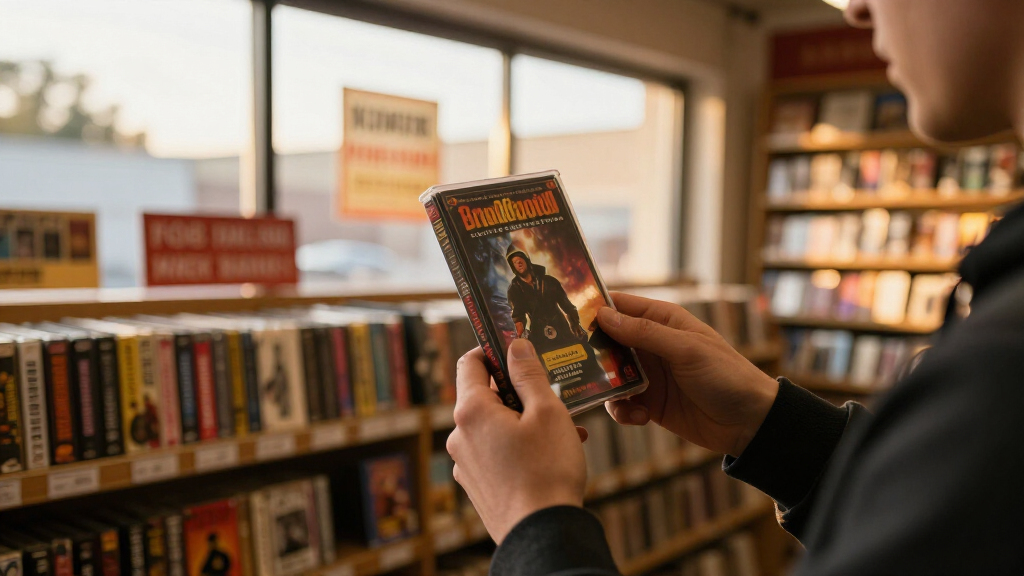

TL;DR
Open a free Amazon Business account
Business pricing, bulk buying and tax-exempt orders.
Create a free accountAs an affiliate, we earn on qualifying purchases.
Movie rental stores, once central to local communities, have largely disappeared due to digital streaming and changing consumer habits. This article examines what has been lost and why it matters.
Many local movie rental stores have closed across the country, marking the end of an era of community-based entertainment hubs. This decline, driven by the rise of digital streaming platforms and changing consumer preferences, has significant implications for community engagement and local culture, making it a notable shift in the landscape of leisure activities.
The decline of movie rental stores began in the early 2010s, with major chains like Blockbuster shutting down most of their locations by 2014. Smaller independent stores have also closed at an increasing rate, with some communities losing their last physical rental outlets entirely. This shift is attributed primarily to the proliferation of streaming services such as Netflix, Hulu, and Amazon Prime, which offer instant access to vast libraries of movies and TV shows without leaving home.While the convenience of digital media is undeniable, many former customers and community leaders express concern about what has been lost beyond mere entertainment options. Rental stores often served as social spaces, where neighbors gathered, recommendations were exchanged, and community ties were strengthened. The physicality of browsing, returning, and discussing films fostered a sense of civic engagement that is now diminished or absent in the digital era.
Recent reports from industry analysts indicate that the number of remaining rental stores has dwindled to a fraction of their peak in the early 2000s, with some localities reporting fewer than five stores still in operation. Despite some efforts by niche and boutique rental shops to survive, the overall trend points toward the permanent disappearance of these community fixtures.
The disappearance of movie rental stores signifies more than a shift in how people access films; it reflects a broader change in community life and civic engagement. These stores historically served as social hubs where residents interacted and shared interests, fostering local culture and connections. Their decline may contribute to increased social isolation and a loss of neighborhood identity, especially in smaller towns and urban districts where such venues provided vital communal spaces. Understanding this shift underscores the importance of preserving physical spaces that promote civic life in an increasingly digital world.
As an affiliate, we earn on qualifying purchases.
From Blockbuster to Digital Dominance: The Rental Store Era
In the late 20th century and early 2000s, movie rental stores like Blockbuster became household names, with thousands of locations nationwide. These stores were not just places to rent movies but also social venues where communities gathered, shared recommendations, and celebrated film culture. The rise of digital streaming services, beginning with Netflix’s mail-based model and later shifting to on-demand streaming, rapidly transformed the industry. By the mid-2010s, most large chains had closed, citing declining customer traffic and the convenience of online options. Smaller independent stores struggled to compete, leading to their eventual closure or transformation into specialty shops. This transition reflects broader changes in consumer habits and technological innovation, marking a significant cultural shift away from physical media and communal spaces.“Losing the store meant losing a place where neighbors met, kids learned about films, and community bonds were strengthened.”
— Jane Doe, former owner of a local rental store
Extent of Community Loss and Future of Physical Media
It is still unclear how many communities will retain or revive physical rental spaces, and whether niche markets or cultural initiatives can sustain them. The long-term cultural impact of their disappearance remains a subject of debate, with some arguing that digital platforms can foster new forms of community, while others see a permanent loss of civic spaces.Potential Revival and Preservation Efforts for Rental Culture
Efforts to preserve or revive physical rental stores are emerging, including boutique shops, cultural preservation projects, and community-led initiatives. Additionally, some cities are exploring how to integrate physical media into local cultural programming to maintain the social functions once provided by rental stores. The future of these spaces depends on community interest, economic viability, and cultural value placed on physical media and social gathering places.Key Questions
Why have movie rental stores declined so rapidly?
The rise of digital streaming platforms offering instant access to movies and TV shows has made physical rental stores less convenient and less necessary, leading to a sharp decline in their popularity and profitability.
Yes, many rental stores acted as community hubs, where neighbors interacted, shared recommendations, and attended special events, fostering local civic engagement.
Can physical rental stores make a comeback?
While some niche or boutique stores are attempting to survive or revive, the overall trend suggests that physical rental stores may remain a limited phenomenon, primarily serving cultural or nostalgic purposes rather than mass-market convenience.
What is the cultural significance of losing rental stores?
These stores contributed to local identity and social cohesion, acting as civic spaces that fostered community bonds, which are increasingly rare in the digital age.
Some communities are exploring ways to integrate physical media and social spaces into cultural initiatives, but whether these efforts can fully replace the role of traditional rental stores remains uncertain.
Source: hn
NFL season / tailgating Picks
team gear
As an affiliate, we earn on qualifying purchases.