
TL;DR

Get emergency and outdoor gear delivered free with Prime
- Fast, free delivery on millions of items
- Prime Video, Amazon Music and more included
- Member-only deals all year
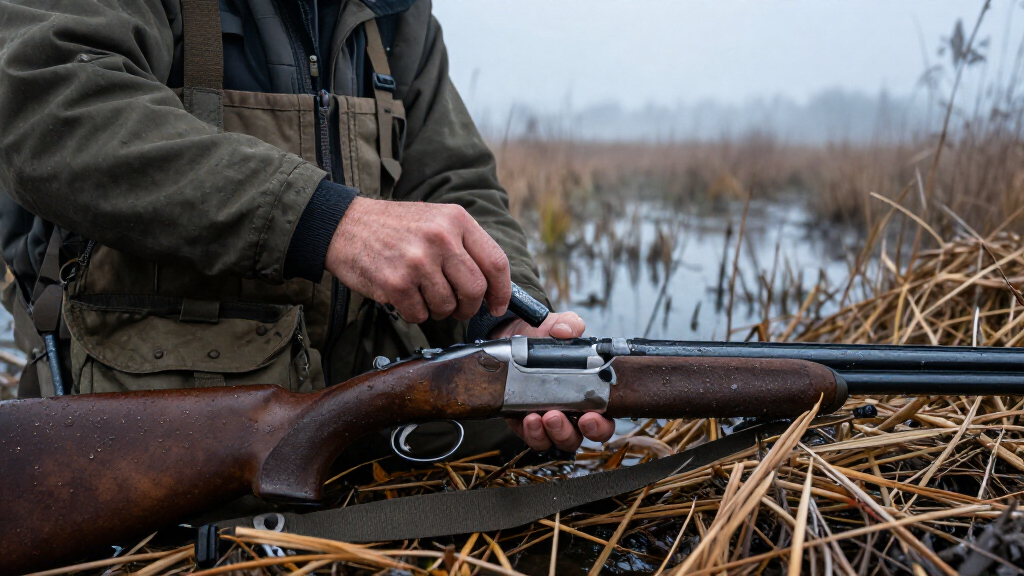
A report published Oct. 22 says rising prices and limited availability for tungsten, bismuth and other metals have led ammunition makers to scale back some premium waterfowl loads and focus more on steel. Some premium options remain available, but prices are higher and many hunters may return to steel shot.
Rising prices and constrained supplies of tungsten, bismuth and other metals are prompting ammunition makers to reduce some premium waterfowl loads and expand their steel offerings, according to an Outdoor Life report published Oct. 22. The shift means hunters may still find some non-toxic alternatives, but they are likely to pay more, while many waterfowlers return to steel shot.
The report says tungsten prices surged in 2026, while bismuth, copper and steel also became more expensive. Manufacturers have faced higher raw-material costs and limited supply, contributing to reduced production and higher retail prices. The report does not provide an industry-wide inventory count or average price increase.
Winchester Ammunition product strategy director Jimmy Wilson said bismuth was still unavailable to manufacturers at a reasonable price. Some bismuth-containing products remain on shelves, but the report says many pure bismuth offerings from Remington and Hevi have been discontinued. Federal Premium Hevi Bismuth, for example, was listed at about $60 per box for 2¾-inch, 12-gauge No. 4 shells at big-box retailers.
There are alternatives beyond steel. Boss Shotshells’ CuProX copper loads were approved by the U.S. Fish and Wildlife Service for waterfowl hunting during the summer, the report says. A 20-round box of 3-inch, 12-gauge No. 3/5 loads was priced at $40. The report also describes blended steel-and-bismuth products, which use less of the more expensive material than pure bismuth loads.
The change affects hunters who have come to rely on heavier non-toxic shot for performance and are now weighing that against price and availability. Steel remains a less expensive option, but shifting back to it may require hunters to reconsider the loads they use and their expectations for range and performance.
The market shift also reflects supply pressures that extend beyond waterfowl ammunition. Wilson told Outdoor Life that copper costs affect brass, a component used in rifle and pistol ammunition. He said copper was trading above $6.50 per pound, about 50% higher than two years earlier. That is his description of commodity prices, not an overall measure of ammunition price changes.
waterfowl hunting steel shot shells
As an affiliate, we earn on qualifying purchases.
As an affiliate, we earn on qualifying purchases.
Metal Costs Reshape Shot Loads
Waterfowl hunters must use non-toxic shot; lead is not an option for this hunting. Steel has long been a lower-cost choice, while bismuth and tungsten loads have offered alternatives with different pellet densities. The report puts steel at about 7.8 grams per cubic centimeter, copper at 8.9 and bismuth at 9.6; it identifies tungsten loads as particularly expensive and increasingly scarce.
The reported supply changes follow a similar problem in spring 2026 turkey ammunition, when tungsten prices also drove up costs. In response to material prices, the report says manufacturers have adjusted some product offerings and are emphasizing higher-end steel loads. Availability differs by product: some remaining premium shells may be prior-season inventory rather than stock that will be replenished.
“It’s definitely going to be the season of steel, for sure.”
— Jimmy Wilson, Winchester Ammunition’s director of product strategy, as quoted by Outdoor Life
Supply and Prices Remain Variable
The report does not establish how much ammunition prices have risen across the market, how long current shortages will last, or whether manufacturers will restore discontinued bismuth and tungsten products. Product availability can vary between retailers, and existing shelf stock may not be replaced once sold.
Performance claims also depend on the specific shell and test conditions. Outdoor Life reported that its testing found Boss copper loads slightly ahead of bismuth in patterning and penetration, but that result does not establish how all copper loads compare with all bismuth or steel loads. The report does not give a full forecast of future metal prices or ammunition production.
Retail Stock Will Set Near-Term Choices
For the coming waterfowl season, the immediate question is whether hunters can find their preferred loads at a price they will pay. The report advises that some premium shells remain available, while warning that certain products may be leftover stock rather than ongoing production.
Manufacturers’ future offerings will depend in part on the cost and availability of raw materials. No company-wide production timetable or further price update is provided in the report. Hunters considering a change in shot material should check current product labels and applicable regulations, and confirm availability with retailers before the season.
Key Questions
Why are premium waterfowl shells becoming more expensive?
The report attributes the pressure to higher prices and limited supplies of tungsten, bismuth, copper and steel, which raise manufacturers’ material costs.
Are bismuth and tungsten loads still available?
Some products remain on shelves, but the report says many bismuth and tungsten offerings have been discontinued or are unavailable from manufacturers. Availability depends on the specific load and retailer.
What is CuProX copper ammunition?
CuProX is a line of copper-pellet shotshells from Boss Shotshells. The report says the U.S. Fish and Wildlife Service approved the loads for waterfowl hunting during the summer and lists a 20-round box at $40.
Does the report say hunters have to use steel?
No. It says steel is expected to draw more hunters because it costs less, but some copper, bismuth and blended loads remain available. The choices depend on supply, price and the individual product.
Source: rss
Halloween Picks
halloween
As an affiliate, we earn on qualifying purchases.