
To build mental toughness through training, you need to face challenges head-on and develop a growth mindset. Confront your fears gradually by starting small and pushing your limits over time. Practice resilience by viewing setbacks as learning opportunities and managing your emotions effectively. Stay consistent, celebrate small successes, and keep focusing on improvement. This ongoing effort helps strengthen your confidence and resilience, and if you continue along this path, you’ll discover more ways to enhance your mental toughness.
Key Takeaways
- Engage in deliberate exposure to challenges to strengthen resilience and mental toughness over time.
- Gradually confront fears to expand comfort zones and build confidence.
- Cultivate a growth mindset by viewing setbacks as learning opportunities.
- Practice self-awareness and self-regulation techniques to manage emotions effectively.
- Maintain consistent habits like stress management and celebrating small successes to reinforce resilience.

Have you ever wondered how some people stay resilient in the face of setbacks? The secret often lies in their ability to develop mental toughness through deliberate training. Building this strength isn’t about ignoring challenges or pretending they don’t exist; it’s about learning how to face them head-on and come out stronger. One vital aspect of this process is overcoming fears that might hold you back. Fear can be paralyzing, but when you actively confront what scares you, you weaken its power. Start small—whether it’s speaking up in meetings or trying a new skill—and gradually push your limits. Each time you face a fear, you build confidence and reinforce your resilience. Overcoming fears isn’t a one-time effort; it’s a continuous journey that shapes your mental toughness over time. Building resilience involves cultivating a mindset that sees setbacks as opportunities for growth rather than insurmountable obstacles. When you train your mind to interpret failures as lessons, you change your response to adversity. Resilience means bouncing back faster, maintaining focus, and staying committed to your goals despite setbacks. To do this, you need to practice self-awareness and self-regulation. Recognize your emotional responses when things go wrong and learn how to manage them effectively. This might include techniques like deep breathing, positive self-talk, or reflection. Over time, these habits become automatic, allowing you to handle stress more effectively and keep moving forward, even when the going gets tough.
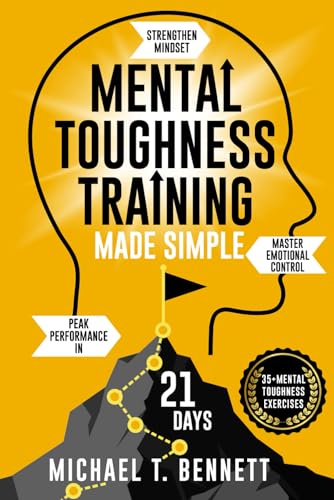
Mental Toughness Training Book Made Simple: A High Achievers Guide to Strengthen Mindset, Master Emotional Control, and Unlock Peak Performance In Just 21 Days
As an affiliate, we earn on qualifying purchases.
As an affiliate, we earn on qualifying purchases.
Frequently Asked Questions
How Long Does It Take to See Mental Toughness Improvements?
You can typically see mental toughness improvements within 4 to 6 weeks, but progress timeline varies based on effort and consistency. You’ll notice changes through measurement methods like increased resilience, reduced stress response, and better focus. Keep track of your mindset shifts and performance under pressure to gauge progress. Stay committed to training regularly, and you’ll gradually strengthen your mental toughness, making challenges feel more manageable over time.
Can Mental Toughness Training Be Customized for Individual Needs?
Yes, mental toughness training can be customized for your individual needs. You benefit from personalized approaches that target your specific strengths and weaknesses. Trainers use adaptable techniques, adjusting exercises and strategies as you progress. This tailored method guarantees you stay engaged and challenge yourself appropriately, making the development of mental resilience more effective and relevant to your unique goals and situations.
What Are Common Mistakes to Avoid During Mental Toughness Training?
You should avoid overtraining pitfalls and setting unrealistic expectations during mental toughness training. Pushing yourself too hard can lead to burnout and decreased resilience, while expecting rapid results may cause frustration. Stay patient and consistent, focusing on gradual progress. Remember, mental toughness develops over time, so don’t rush the process. Keep your goals realistic, listen to your body, and celebrate small victories to stay motivated and avoid common mistakes.
How Do Setbacks Affect the Development of Mental Toughness?
Setbacks can actually boost your resilience, as studies show resilient people recover 50% faster. When you face setbacks, they challenge your growth mindset, pushing you to adapt and improve. While setbacks might feel discouraging, they’re essential for developing mental toughness. Embrace them as opportunities to strengthen your resilience, learn from mistakes, and build a more robust mindset that helps you bounce back stronger every time.
Is Mental Toughness Training Effective for All Age Groups?
Mental toughness training can be effective for all age groups, but you should consider age considerations to tailor your approach. Younger individuals may build resilience quickly, while older adults gain lifelong benefits through consistent practice. No matter your age, engaging in mental toughness exercises helps improve focus, emotional regulation, and stress management. With dedication, you can develop strength that enhances your daily life and long-term well-being.
Thriving Beyond Fifty Exercises: Building Resilience, Wellness, and Joy in the Second Half of Life
As an affiliate, we earn on qualifying purchases.
As an affiliate, we earn on qualifying purchases.
Conclusion
Building mental toughness isn’t a one-time effort; it’s a daily choice. It’s about embracing challenges, pushing past doubts, and staying committed through setbacks. It’s about developing resilience, cultivating focus, and nurturing confidence. When you face obstacles head-on, learn from failures, and celebrate small wins, you strengthen your mind. Keep pushing, keep growing, and keep believing—because every step you take builds a stronger, more resilient you. Stay dedicated, stay determined, and watch your mental toughness thrive.

Coping Skills Cards for Anxiety & Stress Relief – Mindfulness, Meditation & Self-Care Tools for Trauma, BPD, DID, PTSD | Mental Health Therapy Gift for Adults & Teens
Helps Manage Emotional Distress and Crisis: Specifically designed to alleviate panic attacks, flashbacks, trauma recollections, anxiety, stress, dissociation,…
As an affiliate, we earn on qualifying purchases.
As an affiliate, we earn on qualifying purchases.

Happy Confident Me: Daily JOURNAL – Gratitude and Growth Mindset Journal that boosts children's happiness, self-esteem, positive thinking, mindfulness and resilience
As an affiliate, we earn on qualifying purchases.
As an affiliate, we earn on qualifying purchases.