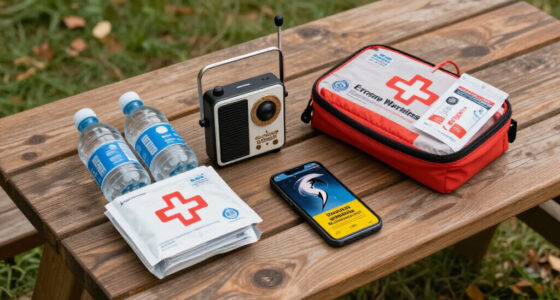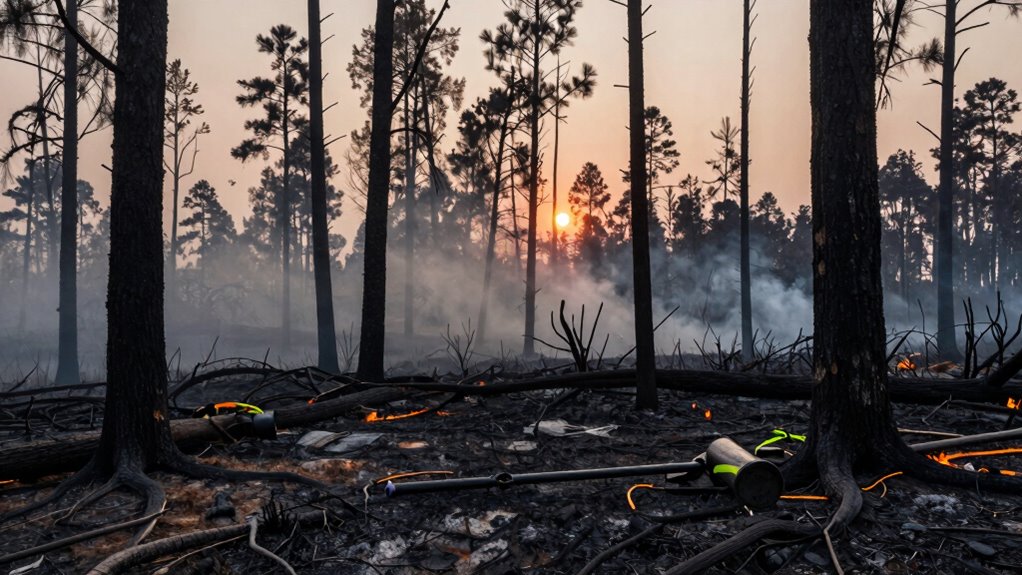

To care for burns after wildfires, remove the person from heat, cool the burn with running water for at least 10 minutes, and cover it with a sterile, non-stick bandage. Avoid using ice or harsh substances, and don’t pop blisters. Proper wound cleaning, monitoring for infection, and seeking emergency help for severe burns are essential. For effective healing and infection prevention, follow key practices that can make all the difference. Learn more to guarantee you’re prepared.
Get ready for Prime Big Deal Days — try Prime free
Exclusive member deals on October 6–7, plus fast free delivery. Cancel anytime.
As an affiliate, we earn on qualifying purchases.
Key Takeaways
- Proper initial cooling with running water for at least 10 minutes reduces tissue damage and prevents worsening burns.
- Using sterile, non-stick dressings and avoiding tight bandages prevents infection and tissue constriction.
- Avoid ice, very cold water, or home remedies like butter, which can worsen tissue injury and delay healing.
- Monitoring for signs of infection (redness, pus, increased pain) and seeking prompt medical care improves outcomes.
- Psychological support and safe wound care practices are essential for effective recovery and preventing complications.
sterile non-stick burn dressings
As an affiliate, we earn on qualifying purchases.
As an affiliate, we earn on qualifying purchases.
What Are Common Wildfire Burn Injuries and Their Severity?
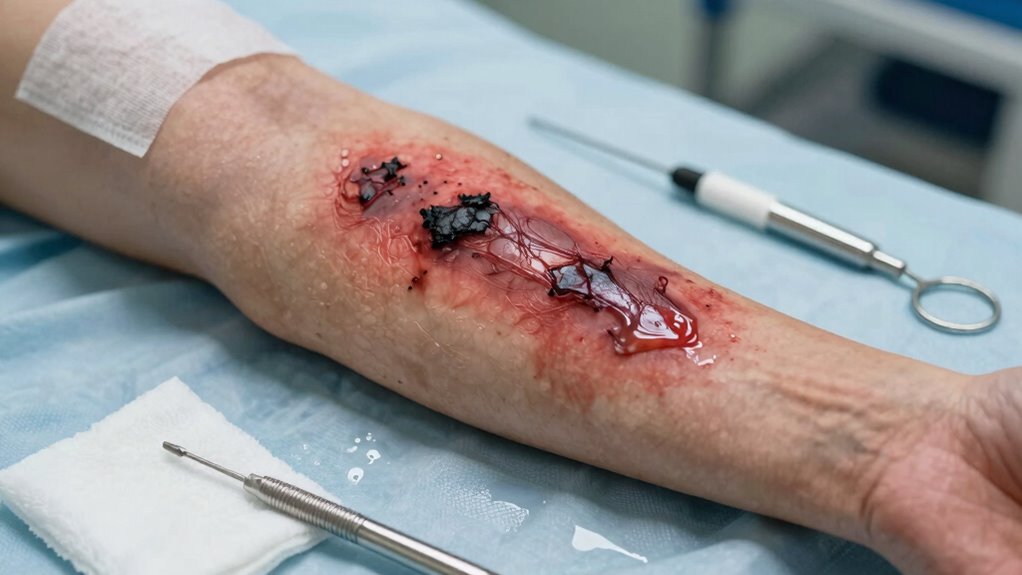
Wildfire burn injuries vary in severity, depending on exposure duration and burn depth. The level of fire severity directly influences the injury classification, ranging from minor to critical. First-degree burns affect the outer layer of skin, causing redness and pain, but usually heal without scarring. Second-degree burns extend deeper, damaging both the outer and underlying skin, resulting in blistering and intense pain. Third-degree burns are the most severe, destroying all skin layers and possibly affecting underlying tissues, often requiring surgical intervention. Recognizing the injury classification helps determine the urgency and type of treatment needed. Wildfire burns can be unpredictable, so understanding the severity helps you assess the injury and seek appropriate care promptly. Additionally, awareness of proper burn assessment techniques can improve initial response and treatment outcomes. Proper documentation and initial treatment are essential for effective recovery and minimizing complications. Being familiar with burn severity grading can also guide caregivers in prioritizing treatment and resource allocation during emergency situations. Accurate severity assessment can facilitate better triage and ensure that critical cases receive prompt attention. Moreover, understanding the types of burns can help in choosing the most suitable treatment approach to promote healing and reduce complications.
What Immediate Actions Should You Take for Wildfire Burns?

When someone sustains a burn from a wildfire, your first priority is to act quickly to prevent further injury and reduce pain. Remove the person from the source of heat and ensure the scene is safe, following fire safety guidelines. Cool the burn with running water for at least 10 minutes to limit tissue damage. Cover the burn with a clean, non-stick dressing to prevent infection. Stay calm and reassure the injured person while monitoring their breathing and responsiveness. Remember, emergency preparedness means knowing basic first aid and having supplies ready. Use this table to remember key steps:
| Step | Action | Purpose |
|---|---|---|
| Remove from source | Move to a safe area | Prevent additional burns |
| Cool the burn | Use water for cooling | Reduce tissue damage |
| Cover the wound | Apply a sterile dressing | Minimize infection risk |
| Seek medical help | Call emergency services if needed | Ensure proper treatment |
Additionally, staying updated on burn care techniques can significantly improve recovery outcomes and reduce complications. Proper initial treatment can make a critical difference in healing and preventing long-term damage. Being aware of tissue preservation methods is essential for effective burn management. Regular training in first aid protocols can also help responders act swiftly and confidently in emergency situations.
How Can You Properly Care for Burn Wounds at Home?
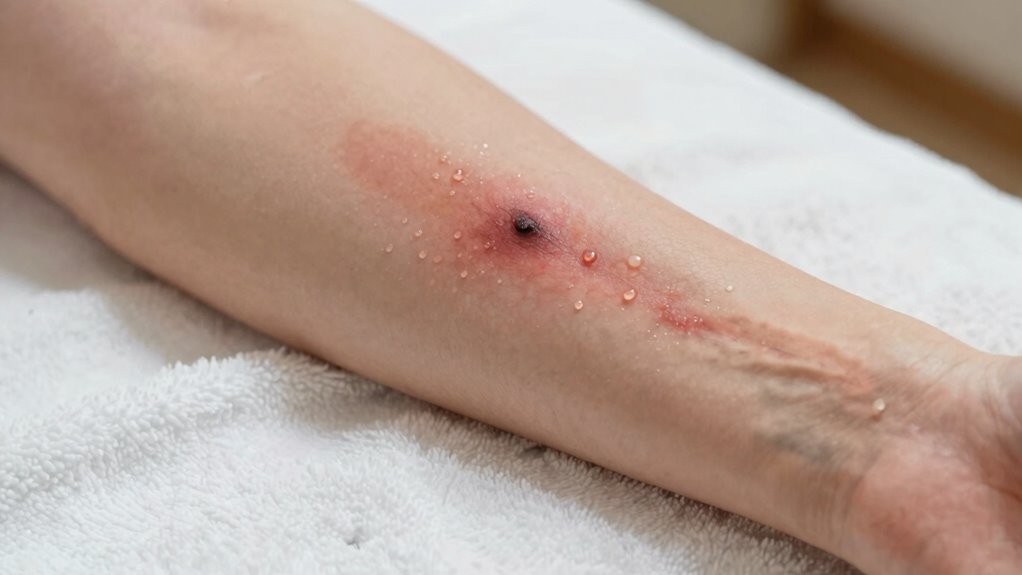
To care for your burn wound at home, start by cleaning it gently with water and mild soap to prevent infection. Then, apply an appropriate dressing to protect the area and keep it moist. Keep an eye on the burn for signs of infection, like increased redness or pus, and seek medical help if needed. Additionally, maintaining good hydration and nutrition can support the healing process and overall skin recovery for optimal burn care. Ensuring proper indoor air quality can also reduce the risk of complications during recovery. Incorporating essential oils for wound healing, such as lavender oil, may promote soothing and recovery, but it should be done cautiously and ideally under medical guidance. Furthermore, understanding creative storytelling for branding can enhance your ability to communicate health messages effectively.
Clean the Wound Properly
Cleaning a burn wound properly is essential to prevent infection and promote healing. Start with your first aid essentials, ensuring you have clean water or saline solution ready. Use gentle wound cleaning techniques by rinsing the burn carefully to remove dirt, debris, and any residual clothing or materials. Avoid harsh soaps, hydrogen peroxide, or iodine, as these can irritate the tissue. Pat the area dry with a clean cloth or sterile gauze, being gentle to avoid further damage. Keep the wound moist but not soaked, and always wash your hands thoroughly before touching the area. Proper cleaning reduces bacteria and helps prepare the wound for healing. Incorporating Free Floating techniques can help in managing the environment around the wound for optimal recovery. Remember, gentle and thorough cleaning is key to avoiding complications and ensuring a smoother recovery.
Apply Appropriate Dressings
Applying the right dressing is essential to protect the burn, keep it moist, and prevent infection. When selecting dressings, consider the size, depth, and location of the burn. Use sterile, non-stick dressings that promote moisture retention and reduce pain during dressing changes. Proper dressing application involves gently cleaning the wound first, then carefully placing the dressing without stretching or pressure. Secure the dressing with medical tape or a bandage, ensuring it stays in place but isn’t too tight. Change the dressing regularly, following your healthcare provider’s instructions, to monitor healing and prevent complications. Choosing the appropriate dressings and applying them correctly helps create an ideal healing environment and reduces the risk of further injury or infection. Maintaining an appropriate moisture level in the wound area is crucial for optimal tissue regeneration. Understanding emotional skills can also help manage stress and pain during recovery. Regular monitoring for signs of infection and adjusting care accordingly is crucial for burn recovery and overall well-being. Additionally, keeping the patient comfortable and providing reassurance can positively impact burn recovery and overall well-being. Incorporating evidence-based practices from wound care guidelines ensures better outcomes and faster healing.
Monitor for Infection
Monitoring your burn wound for signs of infection is a vital part of home care. Regular infection monitoring involves closely observing your wound for increased redness, swelling, warmth, or pus. During wound assessment, check for foul odor or any changes in color that might indicate infection. Keep an eye on your temperature and note if you experience chills or fever, which could signal a spreading infection. Proper wound assessment also includes ensuring the dressing remains clean and dry—change it if it becomes soiled or wet. Using infection prevention measures can further reduce the risk of complications. Understanding aviation regulations can help you follow proper procedures and avoid complications when managing your wound care. Proper hand hygiene and disinfection techniques are essential to prevent introducing bacteria to the wound site. Promptly contact your healthcare provider if you notice any signs of infection, such as increased pain, swelling, or pus. Staying vigilant helps prevent complications and promotes faster healing. Consistent infection monitoring is key to safe and effective burn wound care at home. Additionally, understanding credit card security measures can help protect your personal information if you need to make online purchases related to wound care supplies.
What Mistakes Should You Avoid When Caring for Burn Injuries?
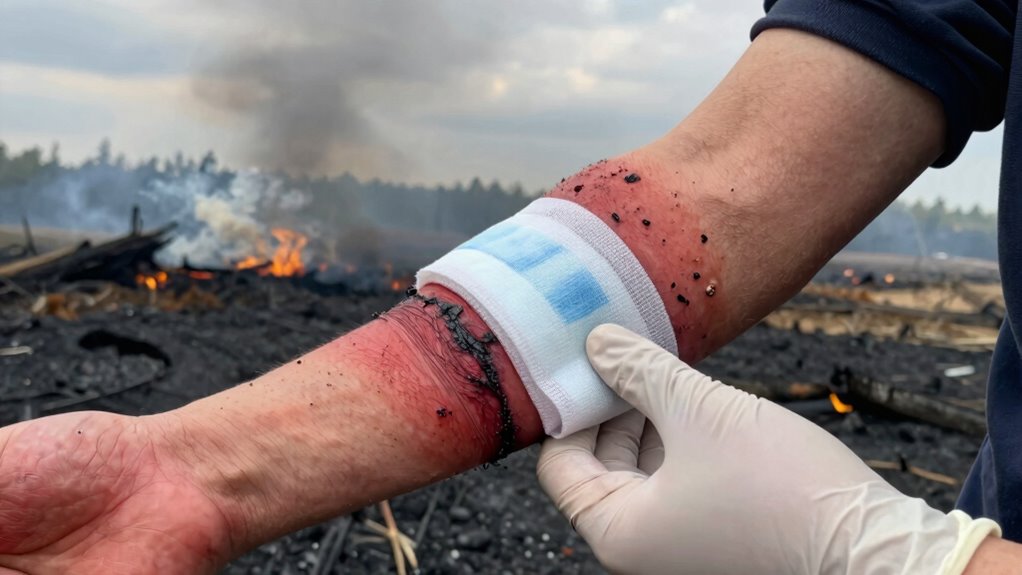
When caring for burn injuries, it’s vital to avoid common mistakes that can worsen the damage or hinder healing. Don’t skip proper first aid; rushing to apply home remedies or popping blisters can cause more harm. Always gently clean the burn area and cover it with a sterile, non-stick bandage. Avoid using ice or very cold water, as extreme cold can damage tissue further. Don’t neglect psychological support—burn injuries can be traumatic, and emotional care is crucial. Never ignore signs of severe burns or assume they’re minor; seek professional help if needed. Also, avoid delaying medical evaluation, especially for extensive or deep burns. Proper initial care, combined with emotional support, helps improve recovery and reduces complications.
When Is It Necessary to Seek Medical Help for Burns?
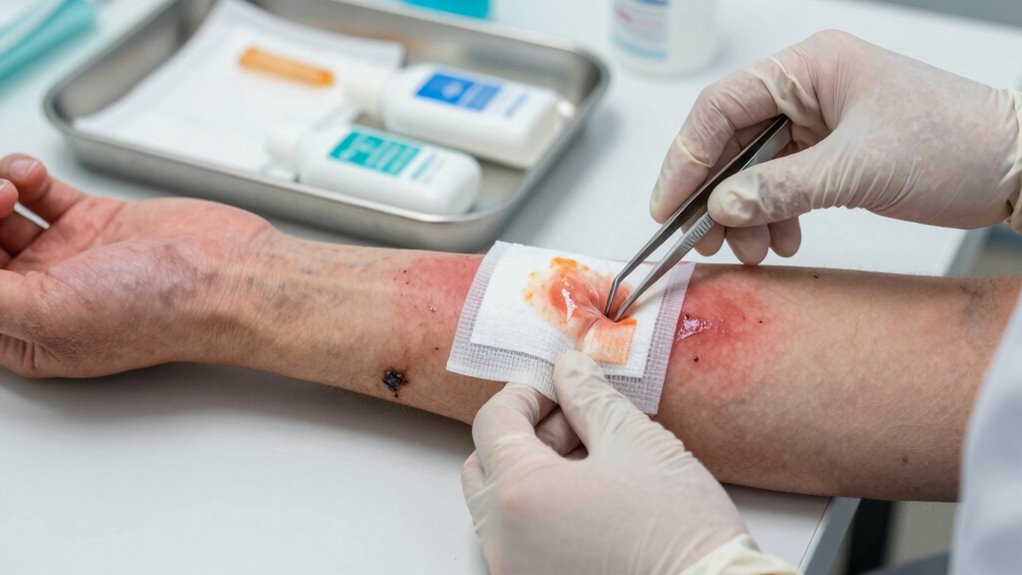
You should seek medical help immediately if your burn is large, deep, or causes severe pain. Watch for signs of severe burns, like charring, blistering, or skin that looks white or leathery. When in doubt, it’s best to get professional care to prevent complications.
When to Seek Immediate Care
Burn injuries require prompt medical attention if they are severe or show certain warning signs. Immediate care is essential to prevent complications and support recovery. You should seek emergency help if:
- The burn covers a large area or is on your face, hands, feet, or genitals.
- The burn appears charred, blistered, or causes intense pain.
- You notice signs of infection, such as increased redness, swelling, or pus.
Signs of Severe Burns
Severe burns often cause significant damage to the skin and underlying tissues, requiring urgent medical attention. Signs of severe burns include wide or deep wounds that appear white, charred, or leathery, and burns that cover a large area of your body. If the burn is on your face, hands, feet, or genitals, seek help immediately, as these areas are more vulnerable. You might notice intense pain or numbness, and blistering that extends beyond superficial layers. Recognizing burn severity is essential for scar prevention; untreated severe burns can lead to extensive scarring or infection. If you’re unsure about the burn’s seriousness, it’s safest to consult a healthcare professional. Prompt treatment helps minimize damage, reduce complications, and improves your chances of better healing outcomes.
How Can You Manage Pain and Keep Victims Comfortable?

Managing pain and keeping burn victims comfortable after a wildfire is essential for their recovery and well-being. Proper pain management and comfort measures help reduce suffering and prevent shock. To achieve this, focus on these key actions:
- Administer pain relief promptly with appropriate medications, such as analgesics, to lessen discomfort.
- Keep victims calm and reassured by providing a quiet environment and explaining what you’re doing.
- Prevent heat loss and infection by covering burns with sterile, moist dressings while avoiding unnecessary movement.
These steps help manage pain effectively and promote comfort. Remember, addressing pain early supports healing and reduces anxiety, making the recovery process smoother for burn victims.
What Are Long-Term Strategies to Recover From Wildfire Burns?
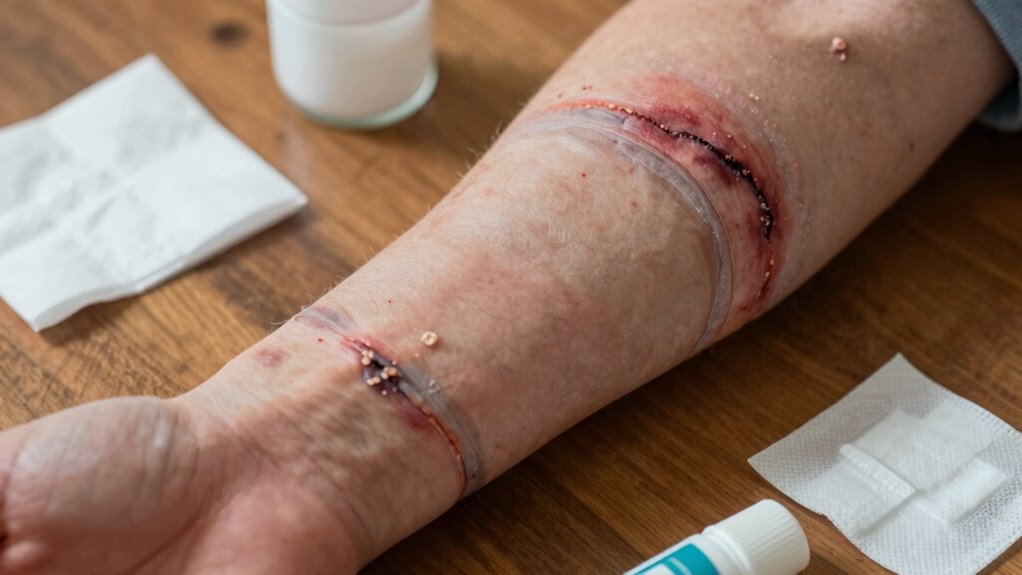
Recovering from wildfire burns requires a thorough approach that extends beyond immediate first aid. Long-term rehabilitation is essential to restore function, rebuild strength, and improve appearance. This process often involves physical therapy to regain mobility and prevent contractures, along with ongoing medical treatments such as scar management and skin care. Equally important is psychological support; dealing with trauma, emotional distress, and self-esteem issues can be challenging. Engaging with mental health professionals helps you process the experience and develop coping strategies. Consistent follow-up with burn specialists ensures that healing progresses appropriately and complications are addressed early. By combining physical rehabilitation with psychological support, you set the foundation for a more comprehensive recovery, helping you regain independence and improve your overall quality of life after wildfire burns.
How Does Wildfire Burn Care Differ From Other Burn Treatments?

Wildfire burn care differs from other burn treatments primarily because of the unique nature of the injuries and environmental hazards involved. Wildfire-specific protocols are essential to address these challenges. You must consider environmental hazards like ash, debris, and toxic fumes, which complicate initial treatment. Wildfires often cause deeper burns and contamination, requiring specialized decontamination procedures. Unlike standard burn care, you need to prioritize environmental hazard mitigation before wound management. Additionally, wildfire burn care involves managing inhalation injuries from smoke inhalation and addressing the risk of secondary infections due to contaminated wounds. Being aware of these differences ensures you implement appropriate interventions swiftly, reducing complications and improving recovery chances.
- Addressing environmental hazards before wound treatment
- Implementing wildfire-specific protocols for decontamination
- Managing inhalation injuries alongside burns
Frequently Asked Questions
How Can I Tell if a Burn Is Severe Enough to Need Professional Treatment?
You can tell if a burn needs professional care by evaluating its severity. If the burn is deep, causes white or charred skin, or is larger than three inches, it’s likely severe. Also, if it’s on your face, hands, feet, or genitals, seek professional treatment immediately. For any signs of infection, blistering, or intense pain, don’t hesitate to get medical help. Prompt professional care ensures proper healing and prevents complications.
Are There Specific Home Remedies That Can Worsen Burn Injuries?
Think of your burn as a fragile garden; using the wrong home remedies or herbal treatments is like pouring salt on delicate plants. These remedies can trap heat, cause infections, or worsen the injury. Avoid applying butter, ice, or herbal concoctions without medical advice. Instead, focus on cooling the burn with clean water and seeking professional care, protecting your skin’s healing garden from further harm.
What Are Signs of Infection to Watch for After a Wildfire Burn?
You should watch for signs of infection like increased redness, swelling, pus, or foul odor around the burn site. Fever, chills, or worsening pain also indicate trouble. Burn severity indicators, such as deep tissue damage or blisters, can increase infection risk. If you notice these signs, seek medical help promptly. Prompt treatment prevents complications and promotes healing, so don’t delay if your symptoms worsen or don’t improve.
How Long Does It Typically Take for Wildfire Burns to Heal Completely?
Wildfire burns typically take several weeks to months to heal completely, depending on severity. The burn healing timeline involves the wound closure process, which varies for each person. You can expect initial healing within a few weeks, but full recovery, including skin regeneration, may take longer. Proper wound care and avoiding infection are essential to support the wound closure process and promote ideal healing.
Can Outdoor Clothing or Gear Affect Burn Treatment Outcomes?
Your outdoor clothing and gear can markedly impact burn treatment outcomes—think of contaminated gear as a ticking time bomb. Fire-resistant clothing helps protect you and prevents worsening burns, but if gear gets contaminated with ash or chemicals, it can delay healing or cause infection. Always remove contaminated gear carefully and wash or replace it to avoid trapping harmful particles against your skin, giving your burn the best chance to heal faster.
Conclusion
Taking quick, informed action can make all the difference in wildfire burn recovery. By understanding proper care, avoiding common mistakes, and knowing when to seek help, you can improve outcomes and reduce long-term damage. Are you prepared to handle burns effectively and protect your loved ones? Remember, staying calm and knowledgeable empowers you to make the right decisions during emergencies, turning chaos into controlled care and giving burn victims the best chance to heal.
Fall Picks
fall essentials
As an affiliate, we earn on qualifying purchases.