During extreme heat waves, you can stay cool by keeping indoors during peak hours, closing blinds, and using fans or air conditioning wisely. Stay hydrated by drinking plenty of water and avoid caffeine or alcohol. Wear lightweight, light-colored clothing and seek shade if outside. Enhance ventilation by opening windows at cooler times, use damp cloths or cool compresses for immediate relief, and watch for heat-related symptoms. Keep going to discover more effective strategies for beating the heat.
Key Takeaways
- Use air conditioning efficiently, setting thermostats to around 78°F, and combine with fans and cold compresses for maximum cooling.
- Keep indoor spaces cool by closing blinds and curtains during peak heat hours and opening windows at night for ventilation.
- Stay well-hydrated by drinking plenty of water regularly, and avoid caffeine and alcohol to prevent dehydration.
- Wear lightweight, loose-fitting, light-colored clothing outdoors, seek shade, and limit strenuous activities during hottest times.
- Create cross-ventilation with open windows and fans, and employ damp cloths or cool compresses on forehead or neck for immediate relief.

Have you ever experienced a heat wave so intense it disrupts daily life? When the temperature soars, staying cool becomes a priority. Luckily, there are effective strategies you can implement to beat the heat and protect yourself. The first step is to stay indoors during the hottest parts of the day, usually between 10 a.m. and 4 p.m. When you’re inside, make your environment cooler by closing blinds and curtains to block out sunlight. If you have air conditioning, use it wisely—set the thermostat to a comfortable but not excessively low temperature, around 78°F (25-26°C), to save energy and prevent overuse. If you don’t have air conditioning, fans can help, but they’re most effective when used in combination with cold compresses or damp cloths on your wrists, neck, and forehead. These areas help cool your blood and reduce overall body temperature. Additionally, ensuring proper air circulation can significantly improve cooling efficiency in your space.
Hydration is *vital* during heat waves. Drink plenty of water even if you don’t feel thirsty, and avoid caffeine and alcohol, which can dehydrate you. Keep a water bottle handy and take regular sips throughout the day. Eating light, cool foods like salads, fruit, and yogurt can also help keep your body temperature down. Avoid heavy, greasy meals that generate more internal heat, making you feel hotter. Wearing lightweight, loose-fitting, and light-colored clothing reflects sunlight and allows your skin to breathe, reducing heat absorption. In outdoor settings, seek shade whenever possible and limit strenuous activities. If you need to exercise, do so early in the morning or late in the evening when temperatures are cooler.
Ventilation is another *essential* element. If you’re at home, create cross-ventilation by opening windows on opposite sides of your space to allow cooler air to flow through. If it’s safe, use ceiling fans or portable fans to circulate air more effectively. When the temperature drops at night, take advantage of the cooler air by opening windows to cool down your home—just be mindful of security and outdoor conditions. In some cases, using a damp cloth or cool compress on your forehead or neck can provide immediate relief. Remember, it’s *imperative* to stay aware of heat-related symptoms like dizziness, headaches, or nausea, and seek medical attention if they worsen.

Shinco 8,000 BTU Portable Air Conditioner, AC Unit with Built-in Cool, Dehumidifier & Fan Modes for Room up to 350 sq.ft, Conditioner Remote Control, 24 Hour Timer, Installation Kit
【OUTSTANDING COOLING ABILITY】- Shinco powerful ac unit owns a cooling capacity of 8,000 BTU(ASHRAE) / 4,550 BTU(SACC), making…
As an affiliate, we earn on qualifying purchases.
As an affiliate, we earn on qualifying purchases.
Frequently Asked Questions
How Do Urban Heat Islands Affect Local Temperatures During Heat Waves?
You’ll notice that urban heat islands raise local temperatures during heat waves because concrete and asphalt absorb and retain heat, making cities much hotter than surrounding areas. This effect worsens heat stress, increases energy use for cooling, and strains health services. To combat this, you can plant more greenery, use reflective building materials, and implement cool roofs, which help lower temperatures and improve comfort during extreme heat events.
What Are the Long-Term Health Impacts of Extreme Heat Exposure?
Think of extreme heat exposure as a relentless fire, slowly burning away your resilience. Over time, it can cause heat exhaustion, dehydration, and heatstroke, risking your health. Prolonged exposure may also increase your chance of cardiovascular and respiratory issues, weakening your body’s defenses. If you don’t take precautions, these long-term impacts can diminish your quality of life, making it essential to stay cool and hydrated during heat waves.
How Can Vulnerable Populations Better Prepare for Heat Waves?
You can better prepare for heat waves by staying informed about weather alerts and planning accordingly. Wear lightweight, light-colored clothing, and stay indoors during peak heat hours. Keep your home cool with fans or air conditioning if available, and stay hydrated by drinking plenty of water. Check on neighbors or loved ones who may need extra help, especially the elderly or those with health issues. Preparedness can considerably reduce health risks.
What Role Do Green Spaces Play in Mitigating Heat Effects?
Green spaces reduce urban temperatures by up to 5°C, helping you stay cooler during heat waves. They provide shade, increase humidity, and promote evaporation, which naturally cools the air. By incorporating parks, trees, and gardens into your environment, you create microclimates that lower heat stress. These spaces also improve air quality and encourage physical activity, making your community safer and more comfortable amid rising temperatures.
Are There Innovative Cooling Technologies on the Horizon?
Yes, innovative cooling technologies are emerging. You might see advancements like reflective building materials that reduce heat absorption, smart window coatings that adjust to sunlight, and wearable cooling devices that activate when temperatures soar. These innovations aim to keep you comfortable and safe during heat waves. Researchers are also exploring solar-powered cooling systems and urban cooling solutions that can be integrated into city infrastructure, making heat management more effective and sustainable.

LEVOIT Tower Fan for Bedroom, Standing Fan with 28dB Quiet for Sleep, Remoter, 12H Timer, 25ft/s Velocity, 5 Speeds, 4 Modes, 90° Oscillation for Home, Office, Indoor, Bladeless 36 inch, White
𝙎𝙖𝙮 𝙂𝙤𝙤𝙙𝙗𝙮𝙚 𝙩𝙤 𝙏𝙧𝙖𝙙𝙞𝙩𝙞𝙤𝙣𝙖𝙡 𝙁𝙖𝙣𝙨: Our innovative airflow design combines a curved air inlet and unique multi-blade design,…
As an affiliate, we earn on qualifying purchases.
As an affiliate, we earn on qualifying purchases.
Conclusion
As you face increasingly frequent heat waves, adopting effective cooling strategies becomes essential. For example, in Phoenix, residents installed reflective roofs and planted shade trees, reducing indoor temperatures markedly. By implementing simple yet impactful measures like these, you can protect yourself from heat-related risks and stay comfortable. Remember, proactive steps not only save energy but also improve your resilience during extreme heat events. Stay prepared, stay cool, and take action today to safeguard your well-being.

Neck Cooling Tube Wraps Ice Ring Neck Cooler Personal Ice Pack Wrap for Hot Weather Gel Reusable Wearable Gel Cooling for Summer Heat Hot Flashes Freezer Below 64.4℉
Instant Cooling: Experience instant relief from the heat with our Neck Cooling Tube, designed to provide immediate cooling…
As an affiliate, we earn on qualifying purchases.
As an affiliate, we earn on qualifying purchases.
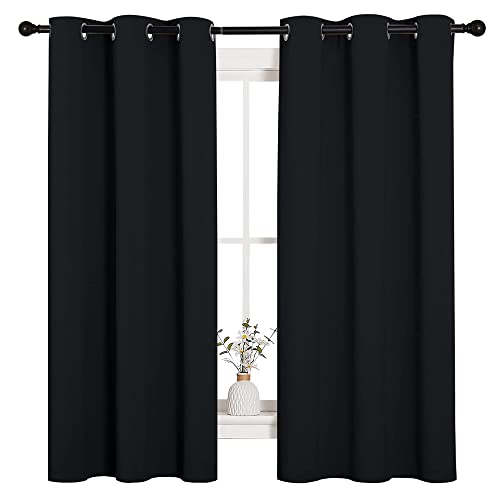
NICETOWN Pitch Black Solid Thermal Insulated Grommet Blackout Curtains/Drapes for Bedroom Window (2 Panels, 42 inches Wide by 63 inches Long, Black)
READY MADE: Package only includes 2 blackout curtain panels, each 42" wide x 63" long when fully spread,…
As an affiliate, we earn on qualifying purchases.
As an affiliate, we earn on qualifying purchases.