
TL;DR
Experts emphasize teaching children the difference between concealment and cover for safety during emergencies. This knowledge can help kids respond more effectively in dangerous situations. The approach is practical and can be incorporated into family safety routines.
Safety professionals and educators are now emphasizing the importance of teaching children the difference between concealment and cover as a critical life-saving skill during active threats such as gunfire.
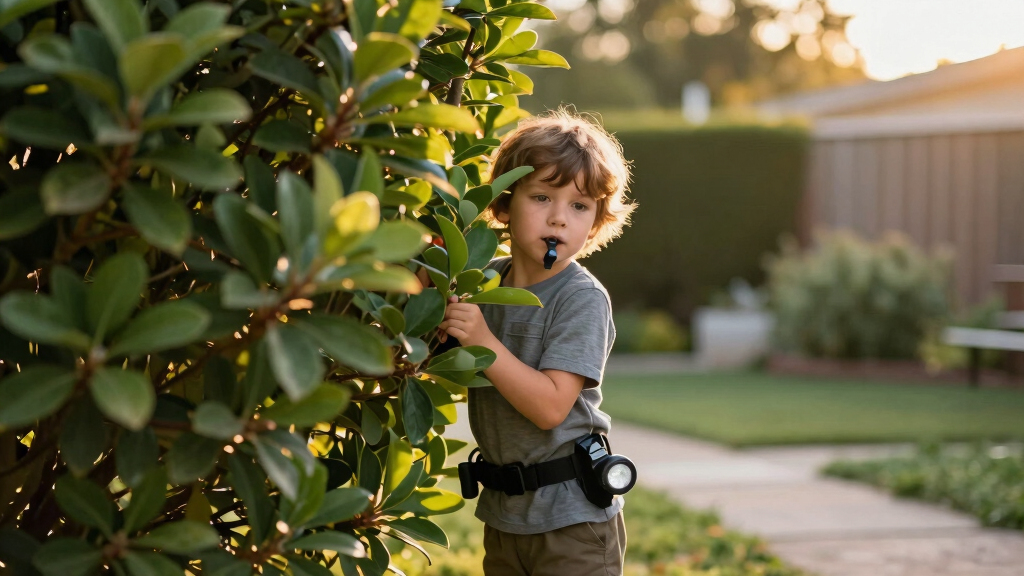
Recent safety guidance highlights that while most children know to hide during emergencies, they often lack understanding of the difference between concealment — hiding behind objects that do not stop bullets — and cover — objects that can stop or deflect bullets. Experts recommend that parents and educators walk through homes and schools, identifying which household items qualify as cover and which are merely concealment. For example, a couch or bush conceals but does not protect, whereas a concrete wall or thick tree trunk can provide actual cover.
According to safety consultant and author The Survival Mom, teaching children to recognize these distinctions can significantly improve their chances of staying safe during violent incidents. She advises that children be trained to use concealment to buy time, but always move toward real cover when possible. The guidance includes practical steps such as demonstrating sound of gunfire, practicing quick decision-making, and incorporating safety drills into family routines.
Why Teaching Kids About Cover and Concealment Is Critical
This knowledge equips children with practical response skills that can make the difference between life and death during active threats. Understanding the difference between concealment and cover helps children make smarter decisions, such as moving toward solid barriers instead of hiding behind objects that offer no protection. As mass casualty events become more frequent, these lessons are increasingly vital for child safety and emergency preparedness.
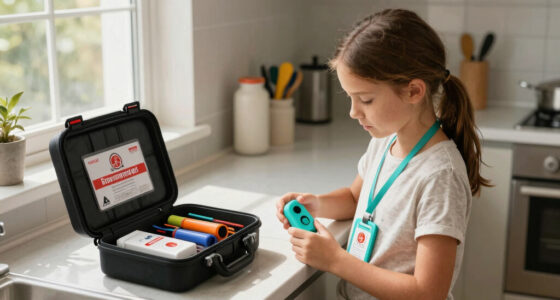
home safety concealment cover training kit
As an affiliate, we earn on qualifying purchases.
As an affiliate, we earn on qualifying purchases.
Recent Safety Guidance and Evolving Emergency Preparedness
In response to rising concerns about school shootings and active threat incidents, safety experts have updated their recommendations in June 2026 to include specific lessons on concealment and cover. Traditional safety drills often emphasize hiding, but recent research underscores the importance of teaching children the distinctions to improve their survival chances. This approach aligns with broader efforts to prepare children for unpredictable emergencies, alongside other safety measures like recognizing gunfire sounds and practicing quick response routines.
“Teaching children to recognize the difference between concealment and cover could save their life. They should know to hide behind objects that stop bullets, not just hide behind anything.”
— The Survival Mom
Uncertainties About Implementation and Effectiveness
It is not yet clear how widely these lessons have been adopted in schools or homes, or how effectively children can internalize and apply them under stress. More research is needed to measure the impact of this training on actual safety outcomes.
Next Steps for Parents and Educators in Safety Training
Authorities and safety organizations plan to develop standardized curricula and family guides to teach children about concealment and cover. Schools are encouraged to incorporate these lessons into emergency drills, and parents are advised to practice safety routines at home. Monitoring and evaluating the effectiveness of these educational efforts will be essential to refine best practices.
Key Questions
Why is it important to teach children the difference between concealment and cover?
Because understanding this difference helps children respond more effectively during dangerous situations, increasing their chances of staying safe by moving toward protective barriers instead of hiding behind objects that offer no real protection.
How can I teach my child about cover and concealment safely at home?
Walk through your home together, identify which objects are true cover (like concrete walls or thick furniture) and which are only concealment (like curtains or bushes). Practice quick decision-making and discuss what to do if they hear gunfire or other threats.
Are there recommended safety drills for teaching this concept?
Yes. You can simulate scenarios where your child identifies cover versus concealment, practices moving toward cover, and responds calmly. Incorporating these into regular safety drills can reinforce their understanding.
Is this training suitable for all age groups?
It’s most effective when tailored to the child’s age and maturity. Older children can understand and apply these concepts more directly, while younger children may need simplified explanations and guided practice.
What other safety measures should be combined with this training?
Teaching children to recognize gunfire sounds, encouraging situational awareness, and practicing emergency communication are all important components of a comprehensive safety plan.
Source: The Survival Mom