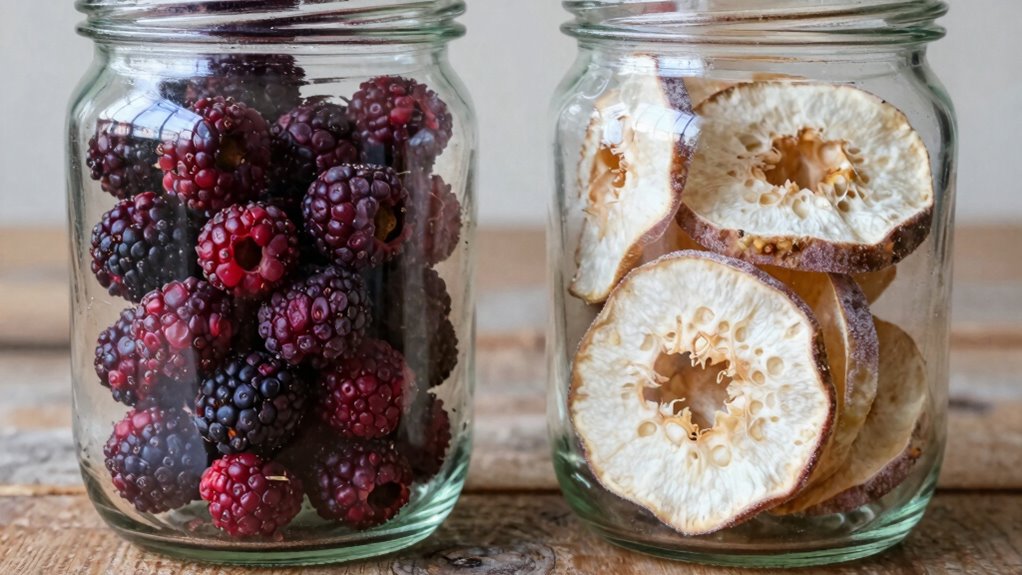

Freeze drying typically offers a much longer shelf life—up to 25-30 years—by removing almost all moisture and better preserving nutrients and flavor. Dehydrating, on the other hand, usually provides 1-10 years of storage depending on conditions, with more nutrient and flavor loss over time. The key difference lies in moisture content and how each method impacts microbial growth and food stability. Keep going to discover how to choose the best option for your needs.

Get emergency and outdoor gear delivered free with Prime
- Fast, free delivery on millions of items
- Prime Video, Amazon Music and more included
- Member-only deals all year
Key Takeaways
- Freeze drying preserves up to 97% of nutrients and reduces moisture below 5%, enabling shelf lives of 25-30 years.
- Dehydrated foods typically have 10-20% moisture and a shelf life of 1-10 years, depending on storage conditions.
- Freeze drying minimizes heat damage, maintaining flavor and texture, which extends shelf stability significantly.
- Dehydration’s higher moisture content makes foods more prone to spoilage and microbial growth over time.
- Proper packaging and storage conditions are crucial for maximizing shelf life in both methods, with freeze drying generally offering longer durability.
freeze dryer machine for home use
As an affiliate, we earn on qualifying purchases.
As an affiliate, we earn on qualifying purchases.
How Do Freeze Drying and Dehydrating Work? An Overview
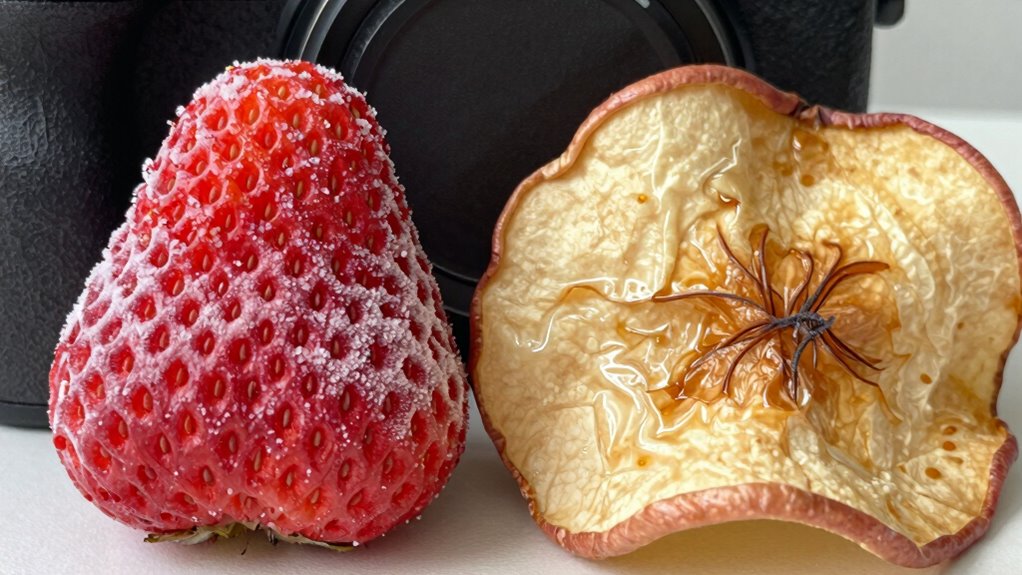
To understand how freeze drying and dehydrating work, it’s important to recognize that both methods remove moisture from food, but they do so through different processes. Freeze drying, or lyophilization, involves freezing the food first, then using a vacuum to subliminate ice directly into vapor, bypassing the liquid stage. This process preserves the molecular structure of the food, maintaining its shape, flavor, and nutrients. Additionally, the controlled environment during freeze drying ensures minimal thermal degradation, which is crucial for sensitive foods and pharmaceuticals. The sublimation process in freeze drying minimizes heat exposure, helping to retain delicate flavors and textures that would otherwise degrade with heat-based methods. Dehydrating, on the other hand, removes moisture through heat, causing water molecules to evaporate. Its preservation mechanisms rely on reducing water activity, which inhibits microbial growth and spoilage. While both methods aim to extend shelf life, freeze drying’s gentle approach better preserves the food’s original qualities, thanks to its subtle impact on the molecular structure. Additionally, the high-quality images produced by freeze drying make it especially suitable for delicate foods and pharmaceuticals.
What Are the Main Benefits of Freeze Drying Compared to Dehydrating?

Freeze drying preserves nutrients more effectively, ensuring your food retains its full nutritional value. It also offers longer shelf stability and keeps flavors closer to the original. These advantages make freeze drying a superior choice for quality and longevity. Additionally, ethical considerations in food preservation highlight the importance of choosing methods that maintain nutritional integrity and reduce waste. Proper maintenance and handling of equipment, such as air purifier maintenance, can further support the preservation process by ensuring a clean environment during storage and processing. Incorporating natural pool practices can also minimize environmental impact and promote sustainability in your food storage methods. Moreover, understanding the Hartsburg News coverage of local events can provide insights into community trends that influence sustainable living choices. Recognizing the impact of neurobiological factors can help improve long-term outcomes in food preservation techniques.
Nutritional Preservation Excellence
While both freeze drying and dehydrating remove moisture from food, freeze drying offers superior nutritional preservation. This process helps maximize nutrient retention, ensuring vitamins, minerals, and antioxidants stay intact longer. Because freeze drying operates at low temperatures, it minimizes heat damage that can degrade sensitive nutrients. As a result, your food retains more of its original nutritional value. Additionally, freeze drying preserves flavor better than dehydration, maintaining the fresh taste and aroma of the original product. This makes freeze-dried foods more appealing and nutritious, especially when you want to enjoy the full health benefits of fresh ingredients. Furthermore, nutrient retention is significantly enhanced through freeze drying, making it an ideal method for health-conscious consumers. Overall, freeze drying provides a significant advantage in preserving the nutritional quality of your food, making it a smarter choice for long-term health and flavor.
Longer Shelf Stability
Thanks to its gentle process, freeze drying not only preserves nutrients but also substantially extends the shelf life of your food. This method reduces moisture content to inhibit microbial growth and spoilage. With proper packaging techniques, your freeze-dried items can last for years. Here are three key benefits:
- Enhanced preservation—less degradation over time compared to dehydrating.
- Optimal packaging—vacuum-sealed or nitrogen-flushed containers prevent moisture re-entry.
- Flexible storage environments—freeze-dried foods remain stable in diverse conditions, from pantry shelves to cold storage, with minimal quality loss.
These advantages mean you can store your food longer without refrigeration or preservatives, making freeze drying ideal for emergency preparedness or long-term food supply.
Better Flavor Retention
Because freeze drying removes moisture gently and quickly, it preserves the natural flavors and aromas of foods more effectively than dehydrating. This process maintains flavor conservation by preventing the loss of volatile compounds responsible for taste and smell. As a result, freeze-dried foods retain their original aroma preservation, offering a fresher, more vibrant flavor profile. Unlike dehydrating, which can cause some flavor degradation due to prolonged heat exposure, freeze drying locks in natural tastes with minimal alteration. You’ll notice a richer, more authentic flavor experience in freeze-dried items, making them ideal for preserving foods where flavor matters most. Overall, freeze drying provides superior flavor retention, ensuring your stored foods taste closer to their fresh counterparts. Additionally, herbal/holistic wellness practices emphasize the importance of preserving natural properties, which freeze drying supports by maintaining essential oils and active compounds. Furthermore, food preservation techniques play a crucial role in maintaining nutritional quality alongside flavor. Incorporating proper storage methods can further enhance the longevity of freeze-dried foods and preserve their flavor integrity over time.
Which Foods Last Longer When Freeze Dried or Dehydrated?

You’ll find that foods with higher nutritional retention stay healthier longer when freeze dried, while dehydrated foods may lose some nutrients over time. Moisture content also plays a key role—lower moisture levels help prevent spoilage and extend shelf life. Generally, freeze dried foods tend to last longer and remain more durable on your shelf compared to dehydrated options. Additionally, advanced fabric technologies are being developed to improve the sustainability and longevity of textile products, reflecting the broader trend toward environmentally conscious innovations.
Nutritional Retention Rates
When it comes to preserving nutrients, freeze drying generally retains more vitamins and minerals than dehydration. This method markedly reduces nutrient loss, ensuring your foods stay more nutritious over time. Freeze drying preserves vitamin content like A, C, and E better because it operates at low temperatures, minimizing heat-related nutrient degradation. In contrast, dehydration uses heat that can cause vitamin loss. Consider these points:
- Freeze-dried foods retain up to 97% of their original vitamin content.
- Dehydrated foods may lose 20-50% of heat-sensitive vitamins.
- Mineral retention remains high in both methods, but freeze drying better preserves delicate nutrients.
If vitamin preservation matters most to you, freeze drying offers superior nutrient retention over dehydration.
Moisture Content Levels
Moisture content plays a crucial role in determining how long foods last after freeze drying or dehydration. Proper moisture regulation is essential because excess moisture promotes microbial growth and spoilage, reducing shelf life. Freeze-dried foods typically have very low moisture levels, often below 5%, thanks to the removal of nearly all water. Dehydrated foods usually contain slightly more moisture, around 10-20%, depending on the process. The hygroscopic properties of foods influence how they absorb or release moisture from the environment, impacting their stability. Low moisture levels help preserve flavor, texture, and nutrients while preventing spoilage. Maintaining ideal moisture content ensures your stored foods remain safe and edible over extended periods, making moisture control a key factor in choosing between freeze drying and dehydration. Moisture regulation is vital for preventing spoilage and extending shelf life in both methods.
Shelf-Life Durability
Which method—freeze drying or dehydration—yields foods with a longer shelf life? Freeze drying generally offers superior shelf-life durability because it better controls residual moisture, preventing microbial growth. Proper packaging techniques are essential; vacuum-sealed or oxygen-free containers help maintain moisture control, extending freshness. Here’s a quick picture:
- Freeze-dried foods often last 25-30 years with ideal packaging, thanks to minimal moisture.
- Dehydrated foods typically last 1-10 years, depending on storage conditions and moisture levels.
- Proper packaging, like Mylar bags with oxygen absorbers, enhances shelf life for both methods but is especially critical for dehydrated foods.
Ultimately, freeze drying provides a longer-lasting product when moisture control and packaging techniques are perfected, making it the better choice for long-term storage.
How Do Storage Conditions Affect Food Shelf Life?

Storage conditions play a crucial role in determining how long your freeze-dried or dehydrated foods stay safe and retain quality. Proper temperature control prevents spoilage and maintains texture, color, and flavor. Using the right packaging materials, such as airtight containers or vacuum-sealed bags, protects against moisture, light, and air exposure. These factors are essential to extend shelf life and avoid spoilage. Consider the table below for ideal storage conditions:
| Storage Condition | Effect on Shelf Life |
|---|---|
| Temperature Control | Slows microbial growth and chemical reactions |
| Packaging Materials | Prevents moisture, light, and air from degrading food |
Maintaining optimal storage conditions ensures your preserved foods stay fresh longer. Additionally, quality food storage practices help preserve the integrity of your food over time. Proper storage methods can also help prevent food contamination, safeguarding your health and investment. Good humidity control in storage areas further reduces the risk of mold growth and spoilage, ensuring your food remains safe. Implementing temperature monitoring can further optimize storage conditions and prolong shelf life, especially when combined with proper storage techniques.
What Are Common Uses for Freeze-Dried and Dehydrated Foods?

Freeze-dried and dehydrated foods are popular choices for a variety of uses due to their long shelf life, lightweight nature, and preserved nutritional value. These preservation methods are often misunderstood due to food preservation myths, but preservation technology has advanced considerably. You’ll find these foods used in:
- Backpacking and camping trips, where lightweight, non-perishable options are essential.
- Emergency supplies, providing quick, nutritious meals during crises.
- Space missions and military rations, where long-term storage and durability matter most.
Their versatility makes them ideal for quick snacks, meal components, or ingredient staples. Their ability to retain nutrients and flavor, while reducing weight and volume, showcases the power of preservation technology. These common uses highlight their importance across various scenarios.
Does Cost Impact Food Preservation and Shelf Life?

Cost plays a significant role in determining the feasibility and accessibility of various food preservation methods, including freeze-drying and dehydrating. The cost factors involved, such as equipment, energy, and labor, directly influence your decision. Freeze-drying typically has higher initial setup and operating expenses, which can limit its use for home preservation but offers longer shelf life. Dehydrating is more affordable upfront and easier to implement, making it accessible for many. The economic impact of these costs affects your ability to preserve large quantities or maintain long-term storage. While freeze-drying provides superior shelf life, the higher costs may outweigh benefits for casual or small-scale use. Additionally, the power requirements of freeze-drying equipment are generally higher due to the need for specialized vacuum systems, which can further increase operational costs. Ultimately, your choice depends on balancing budget constraints with desired shelf-life and preservation quality.
How Do Rehydration and Texture Differ Between Freeze-Dried and Dehydrated Foods?

When rehydrating foods, you’ll notice that freeze-dried products typically restore their original texture more closely than dehydrated ones. This difference in texture is a key factor in rehydration quality. Freeze-dried items tend to be crisp and light when dry, returning to a near-original state with minimal effort. Dehydrated foods, however, often become softer and sometimes chewy. To imagine this:
Freeze-dried foods rehydrate closer to their original texture than dehydrated options.
- Freeze-dried fruits regain their firm, juicy bite.
- Dehydrated vegetables may rehydrate into a tender, slightly leathery consistency.
- Soups or stews made from freeze-dried ingredients restore their texture better than dehydrated versions.
These texture differences influence how enjoyable and satisfying your rehydrated foods will be, making freeze-drying a superior choice for preserving original texture and rehydration quality.
Which Preservation Method Is Better for Long-Term Emergency Storage?

Choosing the best preservation method for long-term emergency storage depends on several factors, including shelf life, nutritional retention, and practicality. Both freeze drying and dehydrating offer excellent preservation techniques that support food safety by reducing microbial growth and spoilage. Freeze drying typically provides a longer shelf life, maintains more nutrients, and preserves flavor and texture better, making it ideal for emergency supplies. Dehydrating is more affordable and easier to perform but may compromise some nutritional value over time. Your choice should consider storage conditions, ease of rehydration, and the types of food you want to store. Ultimately, freeze drying is generally better for long-term emergency storage due to its superior preservation qualities, ensuring your food remains safe, nutritious, and ready when needed.
How Can You Choose the Best Food Preservation Method for Your Shelf Life Goals?

Selecting the most suitable food preservation method depends on your specific shelf life goals and storage conditions. First, determine how long you want your food to last—short-term, medium, or long-term. Second, consider storage space and portability needs, as some methods are bulkier or heavier. Third, evaluate your preferred packaging techniques, such as vacuum sealing, which can extend shelf life by removing air and preventing spoilage. For example, vacuum sealing combined with dehydration is ideal for quick, affordable storage, while freeze drying offers longer preservation with minimal nutrient loss. Understanding these factors helps you choose the right method aligned with your goals, ensuring your food stays fresh and safe over time. Additionally, preservation techniques like freeze drying and dehydration each have unique advantages that can influence your decision based on your priorities. Considering storage conditions such as humidity and temperature is also crucial for maintaining food quality over the desired shelf life. To make an informed choice, it’s helpful to understand the shelf life differences and how each method impacts food longevity.
What Factors Should You Consider When Preserving Food Long-Term?

Preserving food for the long term requires careful consideration of several key factors. First, food safety is essential; you need to ensure that your preservation methods prevent bacterial growth, mold, and spoilage. Properly drying or freeze-drying food minimizes moisture content, which inhibits microbial activity. Next, choose preservation techniques suited for the type of food you’re storing—some foods respond better to dehydration, while others benefit from freeze drying. Consider storage conditions as well; cool, dark, and airtight environments extend shelf life. Additionally, think about your available equipment and budget. The right combination of food safety practices and preservation techniques guarantees your food remains safe, nutritious, and flavorful over time, helping you avoid waste and secure your long-term food supply.
Frequently Asked Questions
How Do Freeze Drying and Dehydrating Affect Nutrient Retention?
Freeze drying generally preserves nutrients better than dehydrating because it maintains nutrient stability and vitamin preservation through low temperatures and rapid sublimation. Dehydrating uses heat, which can degrade sensitive vitamins and reduce overall nutrient content. If you want to maximize nutrient retention and guarantee your food stays nutritious longer, freeze drying is the better choice, as it locks in vitamins and nutrients more effectively than dehydrating.
Are There Health Benefits Associated With Each Preservation Method?
Both freeze drying and dehydrating offer health benefits by preserving nutrients, though freeze drying generally retains more nutrient loss due to its gentle process. You gain antioxidant and vitamin preservation, which supports your immune system. Dehydrating also provides health benefits, especially for convenience and long-term storage. Choosing either method helps you enjoy nutrient-rich foods longer, supporting your overall health and wellness.
Which Method Preserves Flavor Better Over Time?
Your taste buds will thank you because freeze drying preserves flavor better over time than dehydrating. Freeze drying locks in flavor retention so well, it’s like capturing fresh taste in a time capsule. Dehydrating can sometimes dull taste and reduce overall freshness. If you want maximum flavor preservation and taste, freeze drying is the way to go, ensuring your food stays vibrant and delicious long after preservation.
Can Freeze-Dried or Dehydrated Foods Be Reprocessed for Different Recipes?
Yes, you can reprocess freeze-dried or dehydrated foods for different recipes, but it’s not always straightforward. Freeze-dried foods tend to rehydrate quickly, making them versatile for various dishes, yet they may face reprocessing challenges like texture changes. Dehydrated foods require longer rehydration and may lose some flavor or texture. Your success depends on the food type, intended recipe, and how well you manage rehydration and reprocessing steps.
What Environmental Impacts Are Associated With Each Preservation Technique?
You’re asking about the environmental footprints of freeze drying and dehydrating. Freeze drying uses more energy, like a roaring engine, leading to higher greenhouse gases. Dehydrating, on the other hand, is gentler on the planet, consuming less energy and producing fewer emissions. If you want to reduce your eco-impact, dehydrating offers a more sustainable choice, while freeze drying’s energy demands cast a larger shadow on the environment.
Conclusion
Choosing between freeze drying and dehydrating comes down to your goals: longer shelf life, better rehydration, or preserved flavor. Consider the moisture content, storage conditions, and intended use. Weigh the benefits of convenience, cost, and texture. Decide whether you want foods that last decades or quick snacks. Ultimately, selecting the right method helps you preserve, protect, and enjoy your food now and in the future. Your choice shapes your preparedness, your pantry, and your peace of mind.
Halloween Picks
halloween
As an affiliate, we earn on qualifying purchases.

![A Better Way To Tie Your Gym Shorts. (Or Any Drawstring) [Video]](https://doomsdayrobots.com/wp-content/uploads/2026/07/a-better-way-to-tie-your-gym-shorts-or-any-drawstring-video-featured-560x300.jpg)