
TL;DR

Get emergency and outdoor gear delivered free with Prime
- Fast, free delivery on millions of items
- Prime Video, Amazon Music and more included
- Member-only deals all year
A survival gear emergency kit should include water, food, shelter, tools, and first aid supplies, tailored to your environment. Recent tech and eco-friendly options make preparedness easier and more reliable than ever.
Imagine your power goes out during a storm that knocks out the entire neighborhood. Or picture being stranded in the wilderness, miles from help, with no supplies. It’s uncomfortable, even dangerous. The key to facing these moments isn’t luck—it’s your emergency kit.
Everyone should have a plan, and that plan starts with a well-stocked survival gear kit. Whether you’re prepping for natural disasters, a winter blackout, or a quick escape from the wilderness, knowing what to include can make all the difference. Today, we’ll break down the essentials, recent upgrades, and how to craft a kit that truly protects you and your loved ones.
Every emergency kit should include water, food, shelter, tools, and first aid supplies—these are your lifelines.
Recent tech advancements like solar chargers and GPS devices turn basic kits into smart, reliable systems.
Choose eco-friendly gear when possible; it’s more sustainable and often more durable.
Tailor your kit to your environment and family needs, and review it at least once a year.
Regular maintenance and updates are the best way to ensure your kit remains effective when it counts.
What You Absolutely Must Have in Your Emergency Kit
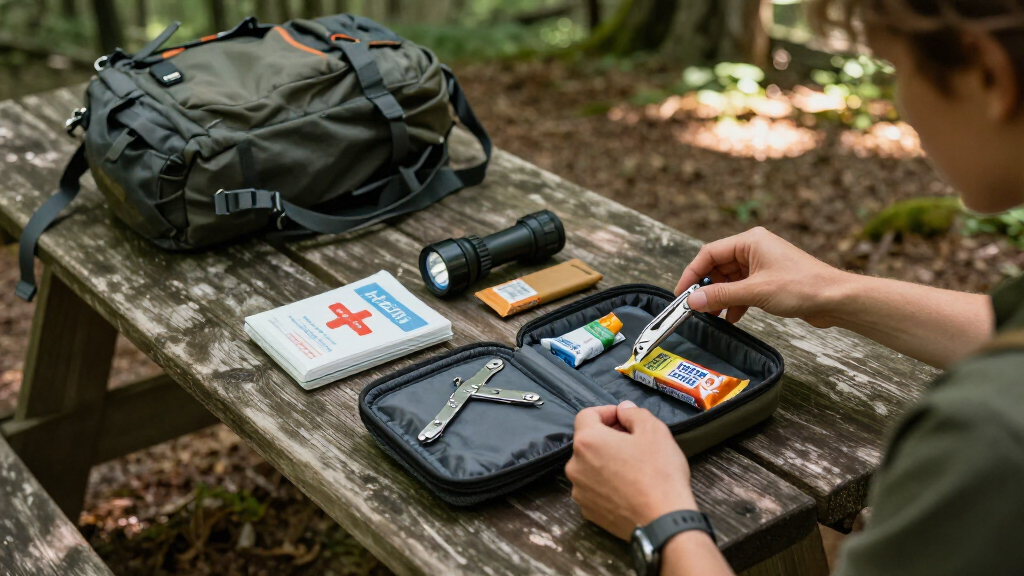
The core of any good emergency kit is simple but vital: water, food, shelter, tools, and first aid. These aren’t just items; they’re your lifelines when chaos hits.
Imagine this: a family trapped in their home after a winter storm, power out for days. Their kit includes bottled water, energy bars, an emergency blanket, a multi-tool, and a first aid kit. This setup ensures they can stay warm, nourished, and safe until help arrives or conditions improve.
Here’s what you need:
- Water & Food: Portable filters, purification tablets, non-perishable food, energy bars.
- Shelter & Warmth: Emergency blankets, compact tents, sleeping bags.
- Tools & Equipment: Multi-tools, knives, flashlights, batteries, fire starters.
- First Aid Supplies: Bandages, antiseptics, pain relievers, personal medications.
- Communication Devices: Whistles, battery-powered radios, power banks.
- Personal Items: IDs, cash, hygiene supplies.
Each of these items plays a critical role in survival. Water and food sustain life, but how you store and purify water can mean the difference between staying healthy or risking dehydration and illness. Shelter and warmth are vital in extreme weather to prevent hypothermia or heat exhaustion, which can quickly become life-threatening. Tools and first aid supplies enable you to perform basic repairs, treat injuries, and maintain morale—keeping you functional and optimistic. Communication devices are your link to the outside world, which is crucial when chaos reigns. Personal items like IDs and cash might seem less urgent but can be essential for recovery or assistance. Understanding why each component matters helps you prioritize and balance your kit, considering tradeoffs such as weight versus capacity or durability versus cost. For example, a bulky but durable first aid kit might be better for wilderness trips, while a lightweight version suits urban settings. The key is to tailor your kit to your specific risks and environment, ensuring that each item’s presence is justified by its potential to save lives or improve conditions during a crisis.
emergency survival kit with water purification
As an affiliate, we earn on qualifying purchases.
As an affiliate, we earn on qualifying purchases.
How Modern Tech Is Making Emergency Kits Smarter and Lighter
Tech isn’t just for your phone. Today’s emergency kits feature innovations that could save your life. Lightweight, high-strength materials make gear easier to carry and more durable in tough conditions, but often require balancing weight with strength. Solar-powered chargers and GPS-enabled devices add layers of preparedness that can significantly improve your chances of survival.
For example, a recent trend is solar-powered power banks that can charge your phone or GPS device even during a blackout. These devices reduce reliance on disposable batteries, which can be scarce during prolonged crises. Some kits now include smart radios with NOAA weather alerts and two-way communication—crucial when traditional networks go down. This technology allows you to stay informed and connected, which can be the difference between life and death in severe situations.
Imagine hiking in a remote forest, your GPS showing your exact location, and your solar charger keeping your phone alive. These upgrades turn a basic survival kit into a smart survival system, giving you peace of mind even in unpredictable situations. They also involve tradeoffs: adding tech features can increase cost and complexity, and reliance on electronics requires backup plans for power failure or device malfunction.
Recent innovations include:
- Lightweight, durable gear materials that withstand harsh conditions without adding bulk, enabling easier transport and quicker deployment in emergencies—though they may come at a higher initial cost.
- Solar-powered chargers and flashlights that harness renewable energy, reducing dependency on batteries and ensuring continuous power in prolonged crises—sometimes less effective in cloudy weather, requiring backup options.
- GPS and communication devices integrated into kits, allowing you to accurately locate yourself and communicate even when traditional networks are down—adding complexity and cost but greatly enhancing safety.
- Longer-lasting, high-nutrition emergency foods that provide sustained energy, reducing the need to carry large quantities of supplies and decreasing overall kit weight—though they may be more expensive than traditional options.
- Reusable, eco-friendly components reducing waste and environmental impact, aligning preparedness with sustainability goals—these often cost more upfront but support long-term resilience and environmental health.
These technological advancements can dramatically improve your preparedness, but they also require understanding their limitations and balancing cost, complexity, and reliability. The goal is to create a kit that is both innovative and practical, ensuring safety without overcomplicating your setup.
The Latest in Food & Water: Better, Longer, Easier
Food and water are the backbone of survival. Recent developments mean you can carry lighter, more nutritious options that last longer. Portable water purification systems now come in compact designs that can turn a muddy creek into drinkable water in minutes, transforming how you access clean water in emergencies.
Take the popular LifeStraw or SteriPEN — these devices have revolutionized wilderness survival by making water purification quick and accessible. They eliminate the need to carry heavy water bottles, freeing up space and reducing weight in your kit. For food, freeze-dried meals that rehydrate in seconds and deliver high calories are game-changers; their long shelf life and compact size make them ideal for emergencies. Some brands now offer vegan or gluten-free options, accommodating dietary restrictions without sacrificing nutrition or convenience.
Think about a hiker who packs a small water purifier and a handful of energy bars. During a recent wilderness trip, they found a stream, used their SteriPEN, and drank directly from it—no heavy bottles, no fuss. Meanwhile, their lightweight meal packs kept them energized for days without bulk or spoilage, demonstrating how these innovations make preparedness more practical and sustainable.
Recent trends include:
- High-efficiency portable filters that can purify large volumes of water quickly, making it easier to stay hydrated in remote locations without carrying heavy bottles—though they may require maintenance and proper usage to ensure effectiveness.
- Long-lasting, high-nutrition emergency foods that provide sustained energy, reducing the need to carry bulky supplies and decreasing waste from packaging—though they may come at a higher cost than traditional options.
- Eco-friendly packaging and reusable containers that minimize environmental impact while maintaining convenience and freshness—these can be more durable but may require initial investment.
- Easy-to-use water tablets and UV purifiers that require minimal setup, making water treatment quick and accessible even for beginners—these options often trade off some speed or capacity for simplicity.
These advancements mean you can stay prepared without sacrificing mobility or sustainability. They also encourage regular practice and maintenance of your kit, ensuring readiness when it counts. However, understanding the limitations and proper usage of these technologies is key to maximizing their benefits in real emergencies.
Eco-Friendly and Sustainable Gear: Do Good While Staying Ready
More people are choosing environmentally friendly options for their emergency kits. Recyclable, biodegradable, and solar-powered gear is now widely available. These options don’t just help the planet—they also add resilience to your kit by reducing waste and dependence on disposables.
Picture a family using solar-powered lanterns and reusable water bottles, reducing waste and ensuring long-term sustainability. This approach not only prepares you for an emergency but also minimizes environmental impact—an important consideration given the increased frequency of natural disasters and climate change effects.
Key eco-friendly choices include:
- Biodegradable wipes and compostable utensils that break down naturally, reducing landfill waste and pollution, which is especially important after a disaster when waste management is compromised. However, they may be less durable and more expensive than conventional options.
- Solar-powered chargers and lights that harness renewable energy, decreasing reliance on disposable batteries and ensuring continuous power even during grid failures—though their effectiveness depends on sunlight availability and may require backup sources.
- Recyclable storage containers and packs designed to last longer and be reused multiple times, reducing the cycle of waste and supporting eco-conscious living—initial costs can be higher, but they reduce long-term waste.
- Non-toxic, environmentally safe first aid supplies that avoid introducing harmful chemicals into ecosystems, protecting both your health and the environment—these may be more costly and less widely available but are safer for ecosystems and human health.
The shift towards green gear means your kit can be both reliable and responsible, ready for natural disasters and environmental crises alike. Investing in eco-friendly options often results in more durable and versatile gear, which can withstand the rigors of emergency use and reduce long-term costs. While some eco-friendly products may have higher upfront costs or limited availability, the long-term benefits—both environmental and practical—make them a smart choice for sustainable preparedness.
How to Pick the Perfect Emergency Kit for Your Needs
Choosing the right kit isn’t one-size-fits-all. It depends on your environment, family size, and personal health. Start with a list, then customize based on your lifestyle.
Here’s a simple step-by-step process:
- Assess your risks—think floods, snowstorms, wilderness trips, or urban blackouts. Understanding your specific hazards helps prioritize what’s most important to include and avoid unnecessary bulk.
- Determine your kit size—individual, family, or vehicle-specific. Larger kits may include more supplies but can be harder to carry or store; smaller kits are more portable but may lack redundancy.
- Select essentials based on the environment—warm gear for winter, water filters for wilderness, or urban tools for city blackouts. Matching your kit to your risks ensures you’re prepared without excess weight.
- Include comfort and mental health items—books, cards, or small games. Maintaining morale is often overlooked but crucial in prolonged emergencies, impacting your mental resilience and decision-making.
- Check regulations—some items might be restricted or require special storage. Staying compliant prevents legal issues and ensures your kit is ready for use when needed.
For example, a family living in hurricane-prone Florida might focus on water purification, sturdy shelter, and non-perishable food, while a hiker in Colorado prioritizes lightweight gear and navigation tools. The key is to tailor your kit to your specific risks and environment, regularly reviewing and updating it to reflect changing circumstances or new threats. This ongoing process ensures your preparedness remains effective and relevant, avoiding complacency and ensuring you’re ready when disaster strikes.
Frequently Asked Questions
What should I include in a basic emergency kit?
A basic kit should have at least three days of water and non-perishable food, a first aid kit, a flashlight with extra batteries, a multi-tool, and essential personal items like IDs and cash. Tailor it for your environment and family size for best results.
How often should I check and update my survival gear?
Check your kit every six months. Look for expired food or medications, replace worn-out batteries, and reassess your needs based on any new risks or changes in your family situation. An annual review ensures your kit stays reliable.
What are the best portable water purification methods?
Popular options include portable water filters like LifeStraw, UV purifiers such as SteriPEN, and chemical tablets. Each method has pros and cons—filters are fast, UV devices need power, and tablets are lightweight and easy to store.
How do I choose the right kit for my environment?
Consider your climate, typical disasters, and outdoor activity level. For cold regions, include warm gear and thermal blankets. In wilderness areas, prioritize navigation tools and water purification. Customize based on your specific risks.
Are there trusted brands for reliable survival gear?
Yes, brands like MSR, LifeStraw, Leatherman, and Coleman are known for durable, tested products. Always check reviews and certifications, and buy from reputable sources to avoid counterfeit or low-quality gear.
Conclusion
Preparedness starts with a well-thought-out kit—one that’s tailored, up-to-date, and packed with essentials. Don’t wait for the next disaster to realize your gear isn’t ready.
Imagine the relief of knowing you’re equipped to handle whatever comes. Your best defense is proactive planning—so start assembling, upgrading, and practicing your emergency kit today. Being ready isn’t just smart; it’s a lifeline.
Halloween Picks
halloween
As an affiliate, we earn on qualifying purchases.