To build a network of like-minded preppers, start by identifying individuals in your community or online who share your preparedness goals. Establish trust through skill exchanges and shared planning, and set up reliable communication methods like radios or encrypted apps. Regular check-ins and practice drills help maintain strong connections. Pool resources and coordinate strategies to enhance resilience. Continuing your effort to develop this network will reveal more effective ways to stay prepared and secure in emergencies.
Key Takeaways
- Identify trustworthy individuals with complementary skills through community events or online forums.
- Establish shared goals and values to build a strong foundation of mutual trust.
- Develop clear communication protocols and practice regular drills for emergency readiness.
- Pool resources and skills, creating agreements to facilitate resource sharing and minimize individual burdens.
- Implement multiple, redundant communication channels like radios, satellite phones, and encrypted apps for reliability.
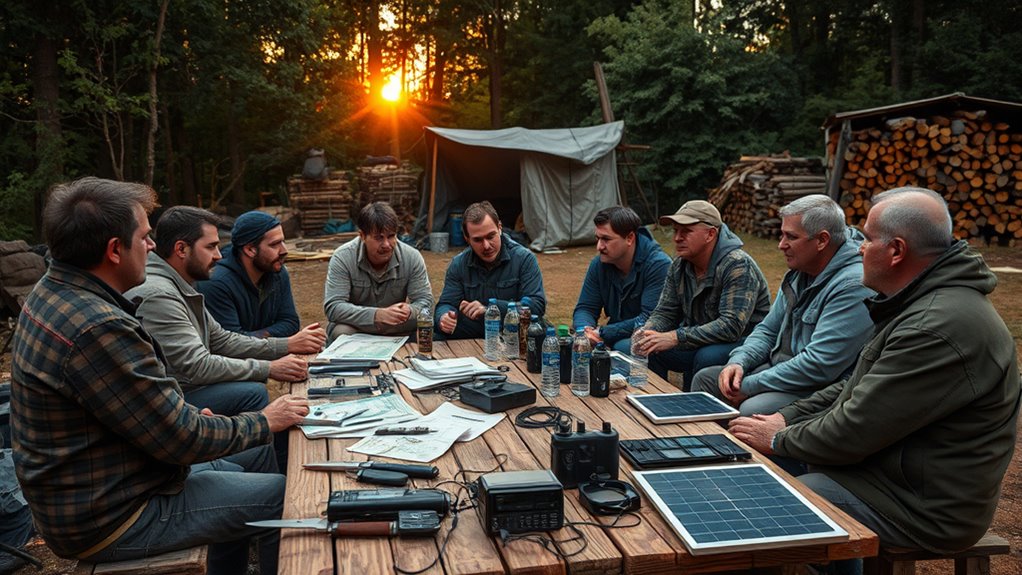
Have you ever wondered how preppers stay connected and share essential information during emergencies? Building a network of like-minded preppers is indispensable for effective emergency communication and resource sharing. When disaster strikes, no one wants to be left in the dark or isolated. Connecting with others who share your preparedness mindset ensures you can exchange crucial information quickly and reliably, increasing everyone’s chances of survival.
A strong prepper network begins with identifying trusted individuals in your community or online. Look for people who have demonstrated skills in areas like medical aid, food preservation, security, or alternative energy. Establishing relationships before a crisis means you can build trust and understand each other’s strengths and resources. Once you have a core group, set clear communication protocols. Decide on the best methods for emergency communication—whether it’s walkie-talkies, satellite phones, or encrypted messaging apps. This way, you’ll have reliable channels to stay in touch when traditional systems fail.
Resource sharing plays an essential role in strengthening your network. When preppers pool their supplies and skills, everyone benefits. For example, someone with a large stockpile of canned goods might trade with another who has medical supplies or tools. Sharing resources minimizes individual burdens and creates a more resilient community. It’s important to establish agreements about how sharing works and to keep track of what each person offers and needs. This transparency helps prevent misunderstandings and ensures that everyone contributes fairly.
Communication plans should also include regular check-ins, maybe weekly or bi-weekly, to keep everyone updated on current supplies, skills, and plans. Practice drills can help everyone understand how to communicate effectively during an actual emergency. Additionally, creating a centralized resource list or digital document allows your group to quickly identify who has what and what gaps need filling. This level of organization makes resource sharing more efficient and responsive when it’s needed most.
Incorporating redundancy into your communication methods is also essential. Relying on multiple channels—like radio, internet, and in-person meetings—ensures that even if one method fails, others are still available. The goal is to build a resilient network that can adapt to various scenarios. Having high-quality communication devices such as portable radios and satellite phones further enhances your group’s ability to stay connected during crises. Remember, a well-connected prepper network isn’t just about stockpiling supplies; it’s about creating a community where information flows freely, resources are shared wisely, and everyone’s safety is prioritized. By focusing on emergency communication and resource sharing, you’re setting yourself up for a stronger, more prepared future.
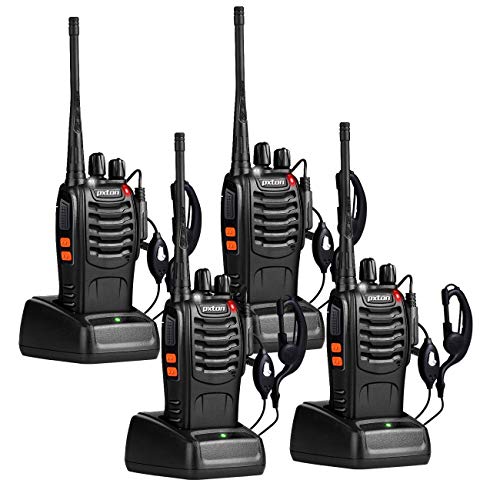
pxton Walkie Talkies Long Range for Adults with Earpieces,16 Channel Walky Talky Rechargeable Handheld Two Way Radios with Flashlight Li-ion Battery and Charger(4 Pack)
【Diversified functions】FCC ID: 2AX68PX-888S, 16 preset channels can be selected by rotating the knob on the 2 Way…
As an affiliate, we earn on qualifying purchases.
As an affiliate, we earn on qualifying purchases.
Frequently Asked Questions
How Do I Verify the Trustworthiness of New Prepper Contacts?
To verify the trustworthiness of new prepper contacts, start with background checks to uncover any red flags. Talk to mutual contacts or check their reputation verification through online forums or social media. Observe their communication style and consistency. Trust your instincts, and don’t rush into sharing sensitive info. Building trust takes time, so confirm they demonstrate honesty and reliability before fully integrating them into your prepper network.
What Are Common Mistakes When Forming a Prepper Network?
One common mistake is rushing into a community without establishing trust first, which can undermine resource sharing and overall safety. You might also overlook the importance of confirming trustworthiness, risking unreliable members. Failing to set clear boundaries and expectations can cause conflicts later. Focus on building genuine relationships, prioritize community trust, and develop shared goals. This approach ensures your prepper network remains reliable, cooperative, and resilient during emergencies.
How Can I Ensure Confidentiality Within My Prepper Group?
To guarantee confidentiality, you should use encryption tools for all digital communications and store sensitive data securely. Establish clear privacy policies, so everyone understands what info stays private and how it’s protected. Limit access to sensitive details and regularly remind group members about security best practices. By taking these steps, you create a trusted environment where your prepper group can share openly without risking exposure.
What Legal Considerations Should I Be Aware Of?
You should be aware of legal liabilities and privacy regulations that could impact your prepper group. Make certain you’re not sharing sensitive information that could lead to legal issues or breach privacy laws. Keep documentation of agreements and boundaries clear, and stay updated on local laws regarding communication and distribution of resources. Consult a legal expert if needed, so you protect your group without unintentionally crossing legal lines.
How Do I Handle Disagreements Within the Network?
When disagreements arise in your network, prioritize open communication strategies and conflict resolution. Encourage calm, respectful conversations, and listen carefully to everyone’s perspective. Address issues promptly and seek common ground to maintain trust. Remember, staying flexible and promoting teamwork helps resolve conflicts effectively, ensuring your network remains strong and focused on shared goals. Creating a safe environment for honest dialogue keeps disagreements manageable and strengthens your prepping community.

BlueCosmo Inmarsat IsatPhone 2.1 Satellite Phone Kit & 500 Unit Prepaid SIM (365 Days) – Global Coverage – Voice, SMS, GPS Tracking, Emergency SOS
GLOBAL COVERAGE: NO ROAMING CHARGES – make and receive voice calls, SMS, track your position with GPS from…
As an affiliate, we earn on qualifying purchases.
As an affiliate, we earn on qualifying purchases.
Conclusion
By building your like-minded prepper network, you create a reliable community that can face any storm—literally or figuratively. Remember, even in a world where dial-up was king, staying connected mattered. So, keep reaching out, sharing knowledge, and supporting each other. Just like a trusty horse and buggy, your network may seem old-fashioned to some, but it’s your best chance for resilience. Stay prepared, stay connected—and never forget the power of community.
encrypted messaging apps for disaster preparedness
As an affiliate, we earn on qualifying purchases.
As an affiliate, we earn on qualifying purchases.
prepper resource sharing organizer
As an affiliate, we earn on qualifying purchases.
As an affiliate, we earn on qualifying purchases.