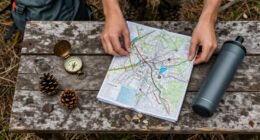
Teaching children survival skills helps them become confident and capable outdoors. By showing them how to recognize landmarks, signal for help, and stay calm during emergencies, you prepare them for unexpected situations. Practice safe outdoor exploration with fun activities like building shelters or using a whistle. Encouraging curiosity while emphasizing safety guarantees they enjoy adventures responsibly. Keep exploring these strategies to help your child develop independence and resilience in the wild.
Get ready for Prime Big Deal Days — try Prime free
Exclusive member deals on October 6–7, plus fast free delivery. Cancel anytime.
As an affiliate, we earn on qualifying purchases.
Key Takeaways
- Teach children to recognize landmarks, weather signs, and safe spots for better orientation and safety outdoors.
- Practice simple emergency responses like signaling with a whistle or mirror and identifying safe shelter areas.
- Incorporate fun activities that demonstrate survival skills, ensuring children understand and remember safety procedures.
- Emphasize supervision and safety awareness during outdoor exploration to prevent accidents and build confidence.
- Foster curiosity and respect for nature while teaching proactive safety habits and emergency preparedness.

Have you ever wondered how to prepare your children for unexpected situations? Teaching them essential survival skills can give you peace of mind and help them develop confidence and resilience. One of the best ways to do this is through activities that combine emergency preparedness with nature exploration. When kids learn to navigate the outdoors safely and understand basic survival techniques, they become better equipped to handle unforeseen challenges.
Start by introducing your children to the concept of emergency preparedness in a fun and engaging way. Explain what emergencies are, such as getting lost, weather changes, or minor injuries, and discuss simple steps they can take to stay safe. Practice these steps together during outdoor adventures, emphasizing calmness and quick thinking. For example, teach them how to identify safe spots to wait if they get separated from you, how to signal for help using a whistle or mirror, and the importance of staying put until help arrives. Incorporate nature exploration into these lessons by encouraging them to observe their surroundings, identify landmarks, and understand the natural environment. This not only boosts their awareness but also helps them develop a sense of direction.
Introduce emergency preparedness through fun outdoor activities like signaling, safe spots, and natural awareness.
As you venture into nature, show your kids how to recognize signs of changing weather, such as darkening skies or strong winds, so they learn to prepare or seek shelter in time. Practice building simple shelters using natural materials or understanding how to start a fire safely, always emphasizing safety and supervision. These skills foster independence while maintaining safety awareness. During these explorations, reinforce the importance of carrying a basic emergency kit—think of it as their survival toolkit—containing essentials like a flashlight, water, snacks, and a whistle. Teach them how to use each item, so they understand its purpose and feel more confident in their ability to manage minor emergencies. Additionally, exploring UST projectors and ALR screens can inspire educational outdoor movie nights that reinforce safety lessons in a fun environment.
Encouraging curiosity about nature while emphasizing safety cultivates a proactive mindset. When children understand the environment around them, they realize that nature isn’t just a playground but an area where they need to respect boundaries and exercise caution. This balance between adventure and preparedness helps them develop a mindset that values safety without stifling curiosity. Ultimately, by integrating emergency preparedness into nature exploration, you empower your children with practical survival skills, nurturing their independence and resilience. These lessons will stay with them, making outdoor adventures safer and more enjoyable, and preparing them for the unexpected in a way that’s both educational and empowering.
Frequently Asked Questions
How Can I Make Survival Skills Fun for Kids?
You can make survival skills fun for kids by turning lessons into exciting games and activities, like scavenger hunts or obstacle courses. Use storytelling techniques to create adventurous scenarios that capture their imagination and make learning memorable. Encourage teamwork and challenge them with puzzles or role-playing exercises. When you blend fun with education, kids stay engaged, learn effectively, and develop essential skills without feeling like they’re in a classroom.
What Age Is Appropriate to Start Teaching Survival Skills?
Think of it as planting a seed—early childhood is the perfect time to start. You should consider age considerations carefully; children as young as 3 to 5 years old can learn basic survival skills like calling for help or recognizing safe water. Tailor activities to their developmental stage, making sure they’re fun and safe. Starting early helps build confidence and awareness that can last a lifetime.
How Do I Ensure Safety During Outdoor Survival Lessons?
You guarantee safety during outdoor survival lessons by conducting a thorough risk assessment beforehand, identifying potential hazards. Always supervise children closely and establish clear boundaries. Teach emergency preparedness, including how to call for help and use safety gear properly. Keep a first aid kit nearby, and review safety procedures regularly. By planning ahead and staying vigilant, you create a safe environment where children can learn essential survival skills confidently.
What Are Common Mistakes to Avoid When Teaching Kids Survival Skills?
To avoid common mistakes, focus on risk management by thoroughly evaluating hazards before lessons and setting clear safety boundaries. Don’t rush skill repetition; practice skills gradually to build confidence and competence. Avoid overwhelming kids with too much information at once, and always supervise closely. Keep lessons engaging and age-appropriate, ensuring they understand safety protocols. This approach minimizes accidents and helps children learn survival skills effectively.
How Can I Adapt Survival Lessons for Children With Special Needs?
You can adapt survival lessons for children with special needs by using adaptive techniques and considering sensory considerations. Break down skills into simple steps, use visual aids, and incorporate hands-on activities tailored to their sensory preferences. Be patient, flexible, and observe their responses to modify your approach. This ensures they stay engaged, build confidence, and learn essential skills safely and effectively.
Conclusion
Now that you know the importance of teaching survival skills to children, aren’t you ready to empower them with confidence and independence? Every lesson you share could be the difference between panic and calm in an emergency. By equipping your kids with these essential skills, you’re giving them tools they’ll carry for a lifetime. So, why wait? Start teaching today and watch your children grow into capable, resilient individuals who can handle whatever comes their way.
NFL season / tailgating Picks
team gear
As an affiliate, we earn on qualifying purchases.