This checklist is for households preparing to maintain basic sanitation when normal plumbing or services are unavailable. It covers practical supplies for managing toilet needs, washing hands, and cleaning surfaces, with an emphasis on safe handling and a workable setup.

Get emergency and outdoor gear delivered free with Prime
- Fast, free delivery on millions of items
- Prime Video, Amazon Music and more included
- Member-only deals all year
The sections follow the sanitation tasks: choosing a toilet or waste-bag option, setting up handwashing, then adding soap sheets, wipes, and gloves. Each product slot includes a named pick where one was provided; the waterless soap sheets section offers selection advice only.
Use the checklist to match supplies to your household, available storage, and planned use. Before buying, check each product’s current label and dimensions, and consider how you will contain waste and keep clean items separate from used ones. A complete routine matters more than any single item.
Portable Camping Toilet
A portable toilet can provide a defined place for toileting when a household cannot rely on its usual bathroom. The named pick is the Kohree 6.34 Gallon Portable Toilet for Camping. Before choosing a portable unit, think through where it will sit, who needs to use it, and how waste will be contained and handled afterward. A product name alone does not establish capacity in practice, comfort, included components, or disposal requirements, so verify those details on the current listing and instructions.
Common mistakes include buying a unit without checking its footprint, assuming it will suit every user, or overlooking the steps needed to empty, clean, and store it. Compare the toilet’s measurements with the intended space and check the seat and operating details against the needs of household members. Also confirm what bags, liners, or other supplies are required or compatible; do not assume accessories are included. Plan a discreet, stable location with room to use and clean the unit, and establish a waste-handling routine before an emergency. Fit and cleanup deserve as much attention as the toilet itself.
What to look for:
- Check the unit’s dimensions against the intended location and storage space.
- Review user-weight and operating guidance in the current product information.
- Confirm how waste is contained, emptied, and cleaned.
- Check which liners or other supplies are required and whether they are included.
- Plan a stable, private placement with space for safe access and cleanup.
Kohree 6.34 Gallon Portable Toilet for Camping

The Kohree portable camping toilet features a larger, comfortable seat and a spacious 6.34-gallon waste capacity, suitable for outdoor adventures. It includes odor control, a paper towel holder, and is easy to carry and disassemble, making it ideal for RVs, campers, and boats.
Pros:
- Large capacity reduces frequent emptying
- Odorless and leak-proof design
- Easy to disassemble and transport with built-in handle
- Includes convenient paper and detergent storage
Cons:
- Heavy for some users at 450 lbs capacity
- Bulkier size may be less portable for small vehicles
- Limited color options
Best for: Households that want a portable toilet as part of an emergency sanitation setup
Not ideal for: Anyone who has not planned for waste handling, cleaning, and storage
Bottom line: Consider the Kohree portable toilet after confirming its fit, operating details, and waste-management requirements.
Emergency Waste Bags
Waste bags can help organize a toilet contingency when a fixed toilet or portable unit is unavailable, but they are only one part of a safe plan. The named pick is the Toilet Sawdust Compost Kit with 8-Gallon Biodegradable Bags – 4.4 Poun. Because the product name does not establish all of the kit’s contents or use instructions, check the current listing and package details before relying on it. In particular, verify bag dimensions, the intended container or toilet setup, and the manufacturer’s handling guidance.
A frequent mistake is treating “biodegradable” or “compost” in a product name as permission to dispose of human waste in ordinary trash, a home compost pile, or the environment. Follow applicable local rules and the product’s instructions; plan a secure, designated storage method until waste can be handled appropriately. Check whether the kit’s bags fit your chosen container and whether you need additional absorbent material or protective supplies. Store bags where they remain dry and easy to access, but separate them from clean water and food supplies. Compatibility and disposal should guide the decision, not the label wording alone.
What to look for:
- Verify bag dimensions and compatibility with the toilet or container you plan to use.
- Check the full kit contents and the instructions for any included material.
- Read handling and disposal guidance; confirm local requirements separately.
- Plan sealed, secure temporary storage for used bags.
- Keep unused bags dry and separated from food, water, and clean supplies.
Toilet Sawdust Compost Kit with 8-Gallon Biodegradable Bags – 4.4 Pounds for Ind
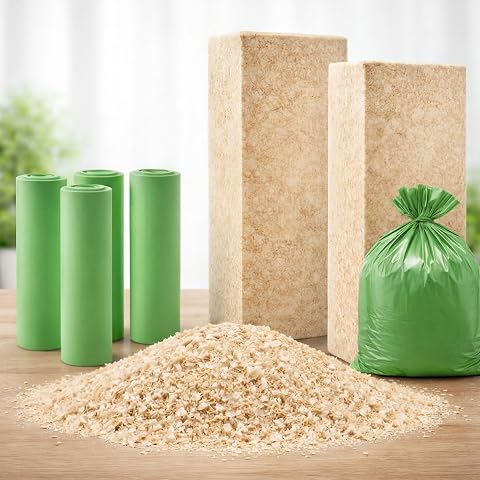
This composting kit includes natural sawdust and biodegradable bags designed for portable toilets, offering odor control and easy waste management. Ideal for camping, RV, van life, and off-grid living, it provides a sustainable and chemical-free solution for sanitation needs.
Pros:
- Effective odor control with natural sawdust
- Biodegradable bags for eco-friendly waste disposal
- Easy to set up and use, suitable for beginners
- Ideal for outdoor and portable toilet systems
Cons:
- Limited to 4.4 pounds, may require frequent refills
- Contains wood shavings which might not appeal to all users
- Manual measurement may lead to slight size variations
Best for: People preparing a bag-based option alongside a clear waste-handling plan
Not ideal for: Anyone assuming biodegradable wording settles disposal requirements
Bottom line: Check the kit’s contents, fit, and disposal instructions before making it part of your emergency plan.
Portable Handwashing Station
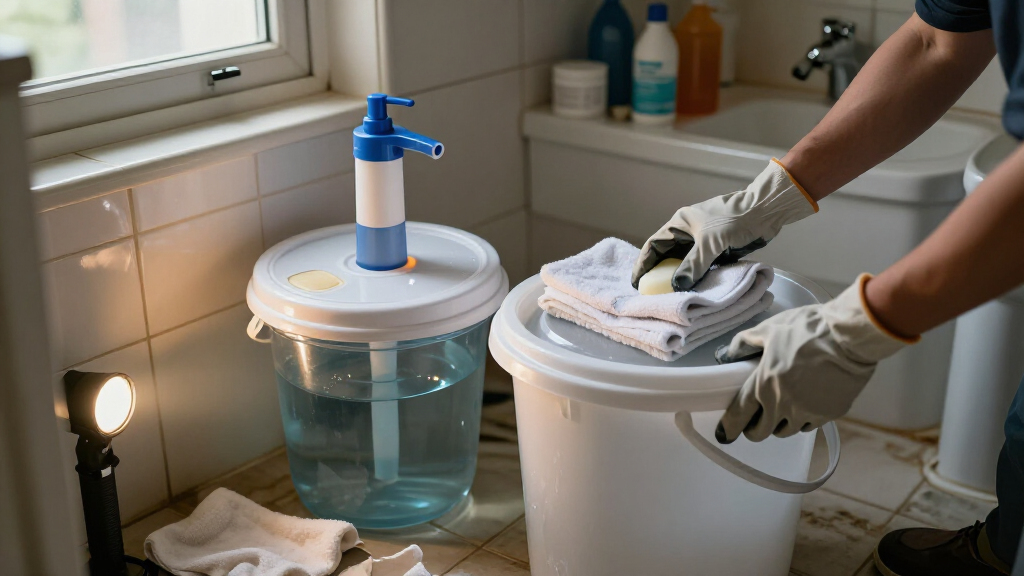
A handwashing station helps make hygiene part of the routine rather than an afterthought, especially when a standard sink is not available. The listed pick is the KoolMore 16 Gallon Mobile Hand Washing Station with Soap and Paper Tow. Confirm the full product name and current listing details, including the complete title, what accessories are included, and how the unit is operated. The “16 Gallon” wording is part of the supplied product name; check the manufacturer’s specifications to understand the station’s actual water setup and use.
Before buying, measure the intended storage and operating area, and consider how the station will be moved when filled. A common mistake is selecting a unit without checking access to clean water, wastewater collection, soap, and drying supplies. Establish where wastewater will go and how the station will be cleaned and replenished. Confirm that household members can reach and operate the controls, and review the station’s instructions for setup and maintenance. Keep soap and towels stocked separately if they are not included or if the supplied amounts do not meet your needs. Water supply and wastewater handling are essential parts of the setup, not optional details.
What to look for:
- Check the complete product listing, specifications, and included accessories.
- Measure the setup and storage area, including room to use the station.
- Plan how clean water will be supplied and wastewater collected.
- Confirm that all intended users can reach and operate the station.
- Decide how soap, paper towels, replenishment, and cleaning will be managed.
KoolMore 16 Gallon Mobile Hand Washing Station with Soap and Paper Towel Dispens
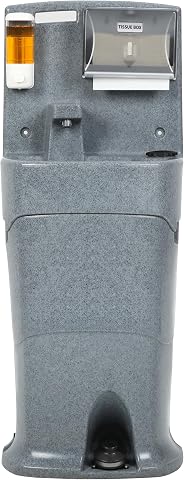
This portable hand washing station features a 16-gallon capacity, hands-free foot pedal operation, and integrated soap and paper towel dispensers, making it ideal for outdoor events, job sites, and high-traffic areas. It offers a complete hygiene solution without plumbing, supporting extended use with large fresh and waste water tanks.
Pros:
- Portable and easy to move with wheels and grab handle
- Hands-free foot pedal operation enhances hygiene
- Includes built-in soap and paper towel dispensers
Cons:
- No mention of temperature control for water
- Limited to outdoor or high-traffic use cases
- Requires manual refilling and disposal
Best for: Households seeking a dedicated handwashing station for emergency use
Not ideal for: Anyone without a workable plan for water, wastewater, and replenishment
Bottom line: Verify the station’s specifications and plan both water supply and wastewater handling before choosing it.
Waterless Soap Sheets
Waterless soap sheets may be useful when carrying or storing liquid soap is inconvenient, but the category should not be treated as a replacement for a complete handwashing plan. No product pick was provided for this slot, so compare options by their labeled directions and intended use rather than choosing by appearance alone. Check how the sheets are dispensed, how many are supplied, and whether the package is practical for the places you plan to keep it. Clear instructions are especially important when supplies may be used by several people.
A common mistake is assuming that a sheet can clean hands without any water, or that it provides disinfection simply because it is compact. Read the label to understand whether water is required and what the product claims to do; use it only as directed. Consider package closure and storage so sheets remain protected from moisture and are easy to access. Make sure the format suits the intended users, including anyone who may have difficulty handling small sheets. If water is available, follow the product directions and ordinary handwashing guidance. Keep a backup method in the sanitation kit rather than relying on a single format. Label directions and realistic use should determine whether this option fits your plan.
What to look for:
- Read the label to confirm whether water is required and how to use the sheets.
- Check the number of sheets and whether the package suits your household’s needs.
- Choose packaging that can be stored as directed and accessed easily.
- Consider whether intended users can handle and dispense individual sheets.
- Keep another hand-cleaning method available as a backup.
Disinfectant Wipes
Disinfectant wipes can support surface-cleaning routines, but their use depends on the product label and the surface involved. The supplied pick is Amazon Basics Disinfecting Wipes, Lemon and Fresh Scent, 340 Count. Verify the current package labeling, intended surfaces, directions, and any precautions before use. Do not infer from the product name that every surface is suitable or that the wipes can be used on skin, food, or items that contact food.
A common buying mistake is focusing on the count or scent while overlooking the directions needed for effective, appropriate use. Check the label for how to apply the wipes, whether a surface must remain visibly wet for a specified period, and whether rinsing is required for particular uses. Follow storage and safety guidance, keep the container closed as directed, and store it away from children and supplies that should remain clean. Consider where the wipes will be used and whether the pack is practical for that location. They are a surface-care item, not a substitute for handwashing or a waste-management plan. Use the label as the authority for compatible surfaces and precautions.
What to look for:
- Confirm the current label’s intended uses and compatible surfaces.
- Follow application, contact-time, and any rinsing directions on the package.
- Check warnings and storage guidance before placing wipes in the kit.
- Keep wipes separate from food, clean water, and personal-care supplies.
- Do not use surface wipes on skin or food-contact areas unless the label specifically allows it.
Amazon Basics Disinfecting Wipes, Lemon and Fresh Scent, 340 Count

These thick disinfecting wipes clean and deodorize hard, non-porous surfaces such as countertops, doorknobs, and light switches. They kill 99.9% of bacteria in 15 seconds, and the secure lids help keep the wipes moist for easy dispensing.
Pros:
- Includes both lemon and fresh-scented wipes
- Thick wipes designed to resist tearing
- Secure lids help maintain moisture
- Suitable for a variety of hard surfaces
Cons:
- Packaging may vary
Best for: Households adding labeled surface wipes to a broader sanitation kit
Not ideal for: Anyone who needs a product for skin cleaning or has not checked surface compatibility
Bottom line: Use the Amazon Basics wipes only for label-approved purposes and follow all package directions.
Nitrile Disposable Gloves
Disposable gloves can add a barrier during cleanup, but they do not replace handwashing or careful waste handling. The supplied pick is Nitrile Gloves Heavy Duty 7 Mil Disposable Rubber Black Gloves Large. Check the current product information for material, intended use, and any relevant limitations. The name specifies “Large”; do not assume that size will fit every person in the household or suit every task.
A poor fit can make cleanup harder, so compare the listed sizing guidance with each intended user and consider keeping more than one size if several people may need gloves. Check how the gloves are meant to be used and disposed of, and avoid treating “heavy duty” as proof that they protect against every hazard. Gloves can tear or become contaminated; follow appropriate handling practices and wash hands after removing them. Store unused gloves clean and dry, and keep them accessible near—but not mixed into—clean supplies. Plan enough pairs for the tasks you expect without relying on gloves as the sole protective measure. Fit, safe removal, and handwashing are central to using them well.
What to look for:
- Compare the product’s sizing guidance with each intended user’s hand size.
- Check the listed material and intended-use information.
- Do not assume the product protects against every chemical or biological hazard.
- Plan safe removal and disposal, followed by handwashing.
- Store unused gloves clean, dry, and separate from contaminated items.
Nitrile Gloves Heavy Duty 7 Mil Disposable Rubber Black Gloves Large

These heavy-duty black nitrile gloves are designed for demanding work environments, offering puncture and tear resistance, oil and chemical protection, and a textured grip for oily conditions. Made powder-free and latex-free, they are suitable for automotive, maintenance, cleaning, and food prep tasks, providing reliable hand protection in high-use settings.
Pros:
- Heavy-duty 7 mil thickness offers excellent protection for tough jobs
- Textured fingertips improve grip on oily and wet surfaces
- Powder-free and latex-free for cleaner work environments
- Bulk quantity ideal for professional and high-use settings
Cons:
- Large size may not fit all users comfortably
- Black color may show oils and stains more visibly
- Not suitable for tasks requiring very fine dexterity
Best for: People adding disposable gloves for planned sanitation and cleanup tasks
Not ideal for: Households whose users cannot get a suitable fit in the listed size
Bottom line: Confirm fit and intended use, and pair gloves with safe handling and handwashing practices.
Build the plan in a practical order: first decide how toileting and waste will be managed, then address handwashing and the water and wastewater needed to support it. Add soap sheets as a supplementary option, followed by surface wipes and gloves for the tasks their labels and intended uses support. Prioritize the system—including storage, replenishment, and disposal—before adding convenience items.
Review the finished checklist against your household’s space, users, and sanitation routine, and verify current product details before buying. Keep clean supplies apart from used items and make sure everyone knows where the supplies are and how to use them. A thoughtful, well-practiced plan can make emergency sanitation easier to manage.
Halloween Picks
halloween
As an affiliate, we earn on qualifying purchases.