
TL;DR

Get emergency and outdoor gear delivered free with Prime
- Fast, free delivery on millions of items
- Prime Video, Amazon Music and more included
- Member-only deals all year
Outdoor Life reported that five experienced, unaffiliated deer hunters who used Ozonics units during the 2023 season all perceived some positive effect on their hunts. Their account is an anecdotal field test, not proof that ozone reduces human scent or improves hunting outcomes; the report says it found no peer-reviewed field research on the method.
Five experienced deer hunters who tested Ozonics ozone-producing scent-control units during the 2023 season all reported a perceived positive effect on their hunts, according to an Outdoor Life report published Oct. 26, 2026. The small, unpaid and anecdotal field test offers user impressions, not scientific evidence that the devices neutralize human scent or increase hunting success.
Outdoor Life gave new Ozonics units to five hunters with no sponsors or industry affiliations and asked them to use the devices throughout the season. The magazine said the group had more than 400 deer encounters in total and completed a survey afterward. Participants were not paid by the publication or by Ozonics for taking part in the survey, the report said.
All five hunters said the units had either a “very noticeable positive impact” or “some noticeable positive impact” on their hunting. The report also says all would continue using Ozonics. Those responses describe the hunters’ impressions; they do not establish that ozone caused deer to behave differently or that the equipment led to more successful hunts.
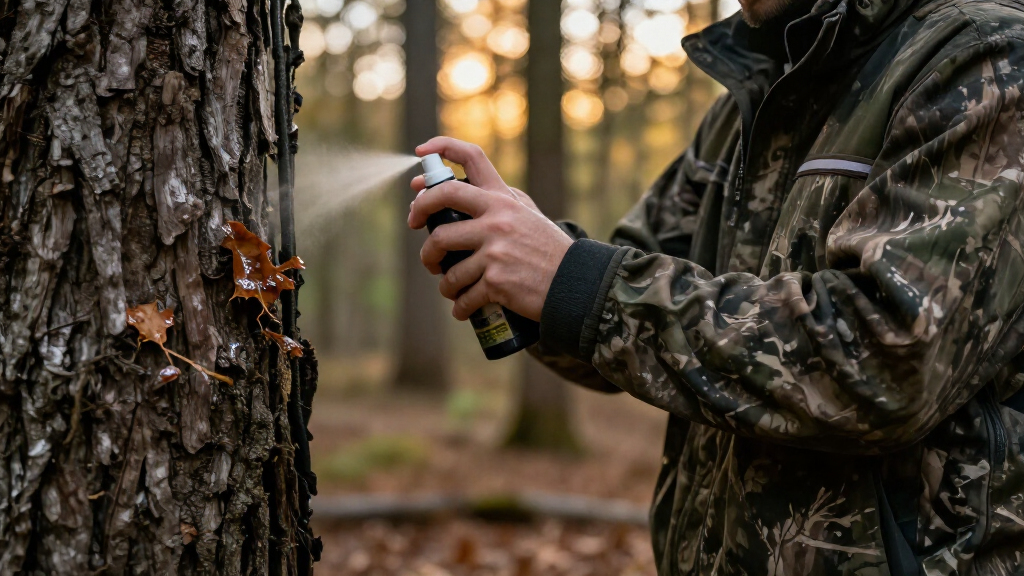
The device is intended to generate ozone, or O3, which the company says can attach to scent molecules and oxidize them. Ozonics president Buddy Piland described the technology and discussed how wind and the unit’s placement may affect how ozone disperses. The report lists the company’s top-line unit at $456 on sale at publication, a substantial cost for hunters considering the method.
What the Field Test Can Show
The report addresses a practical question for deer hunters: whether a relatively expensive device might help manage human scent in the field. The five participants’ favorable impressions provide anecdotal feedback from experienced users, including hunters who were not financially tied to the brand, according to Outdoor Life.
But the results should not be read as a controlled test of effectiveness. The reported measure was hunters’ assessment of their own hunts, and the account does not describe a comparison group hunting without the device, blinded observations, or a method for separating the unit’s effect from weather, wind direction, location, and other factors. The findings may help readers understand what these testers experienced, but they do not prove a general benefit or show that the device reliably prevents deer from detecting a hunter.
That distinction matters when evaluating gear claims. A favorable testimonial can be relevant to a purchase decision, but it is not the same as independent, repeatable evidence. The price and uncertain performance make the limits of the test especially relevant to hunters weighing the product against other equipment or tactics.
Popular right now

KitchenAid Artisan 5-Quart Tilt-Head Stand Mixer, Almond Cream

KitchenAid Classic Series 4.5 Quart Tilt-Head Stand Mixer K45SS, Onyx Black

Dyson Ball Animal 3 Corded Upright Vacuum
As an affiliate, we earn on qualifying purchases.
How Ozone Is Supposed to Work
Ozonics, which Outdoor Life says began selling its scent-control approach in 2007, makes a field unit that produces ozone by sending high-voltage electricity through a coil and moving air across it. The report says newer models allow users to select different ozone-generation settings for different field conditions. The proposed mechanism is that ozone reacts with scent molecules, changing or oxidizing them before they reach deer.
Piland told Outdoor Life that wind patterns affect whether ozone and a hunter’s scent mix. He compared the process to dyes moving through a stream: currents and eddies can separate or combine them. In practical terms, he said, hunters may need to adjust the unit’s angle and distance from themselves as wind conditions change. These are the company president’s explanations of how the product is meant to function, not independently verified results from the five-hunter survey.
Outdoor Life said it could not find peer-reviewed scientific research testing ozone’s effectiveness for controlling a hunter’s scent in field conditions. It described the test as deliberately anecdotal, while seeking feedback from hunters without sponsorships, television shows, or large social-media followings. The report’s framing therefore distinguishes independence from industry influence from scientific validation.
““I’m selling you an invisible molecule.””
— Buddy Piland, Ozonics president, as quoted by Outdoor Life
What the Test Cannot Establish
The report does not show whether ozone reduced detectable human scent, changed deer behavior, or improved the hunters’ chances of harvesting an animal. It provides no control group or objective scent measurements, and the supplied findings do not break down results by hunter, location, weather, wind conditions, or number of encounters. The 400-plus encounters are a combined total, not a measure of successful hunts or proof of effectiveness.
The sample was also limited to five people and one hunting season. Outdoor Life said it found no peer-reviewed field study addressing the method, but that statement describes the publication’s search; it does not by itself establish that no relevant research exists anywhere. Whether Ozonics performs consistently across settings, and how its effect compares with other scent-management practices, remains unconfirmed by the information provided.
Evidence Beyond One Season
The report does not announce a follow-up trial or a scheduled scientific study. More conclusive evidence would require transparent testing that compares hunts with and without the units under documented conditions, measures relevant outcomes, and includes enough observations to account for differences in wind, terrain, and deer behavior.
For now, the available development is the publication of five hunters’ season-long impressions. Readers considering the equipment can treat those accounts as user feedback rather than a verified performance guarantee. The next clear milestone would be independently reported, controlled field research or a larger test with objective measures; neither is confirmed in the source material.
Key Questions
Did all five hunters report that Ozonics helped?
Yes. Outdoor Life said all five described either a “very noticeable” or “some noticeable” positive impact. These were their personal assessments, not a controlled measurement of performance.
Does the field test prove that Ozonics works?
No. The report describes an anecdotal survey of five hunters and does not provide a control group, objective scent measurements, or evidence isolating the unit’s effect.
How many deer encounters were included?
The five hunters reported more than 400 encounters combined while using the units. The report does not say that this count represents successful hunts or establish a comparison baseline.
How does Ozonics say its device works?
The company says the unit generates ozone (O3), which can react with scent molecules. Ozonics president Buddy Piland said wind and placement affect how the ozone disperses. The report does not independently confirm that this process reliably prevents deer from detecting a hunter.
Is there peer-reviewed evidence that ozone controls hunter scent?
Outdoor Life said it could not find peer-reviewed research on ozone scent control in the field. The source does not establish that the five-hunter test fills that evidence gap.
Source: outdoorlife.com