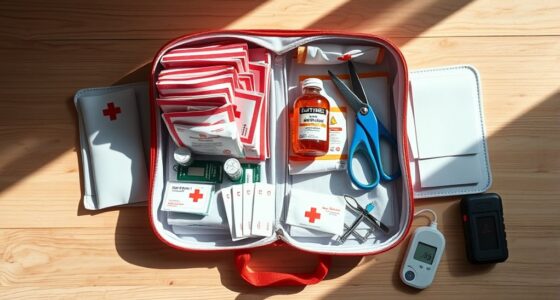

To establish a strong family emergency communication plan, assess everyone’s needs, choosing reliable methods like cell phones, radios, or social media. Designate a family contact, create a detailed communication map, and set clear check-in times. Practice your plan regularly, update it often, and guarantee all members understand their roles. Connecting with community resources boosts your preparedness. Keep these steps in mind, and you’ll learn how to build a resilient plan that keeps everyone safe during crises.
Key Takeaways
- Evaluate preferred communication methods and backup options to ensure reliability during power outages or network failures.
- Designate a trusted family contact person and establish clear check-in times and procedures.
- Create and regularly update a comprehensive contact list and communication map for quick access.
- Choose dependable communication tools like walkie-talkies, satellite phones, and emergency radios suited to your area.
- Conduct regular family drills, review plans, and update contact information to maintain preparedness and improve response efficiency.
Assessing Your Family’s Emergency Communication Needs
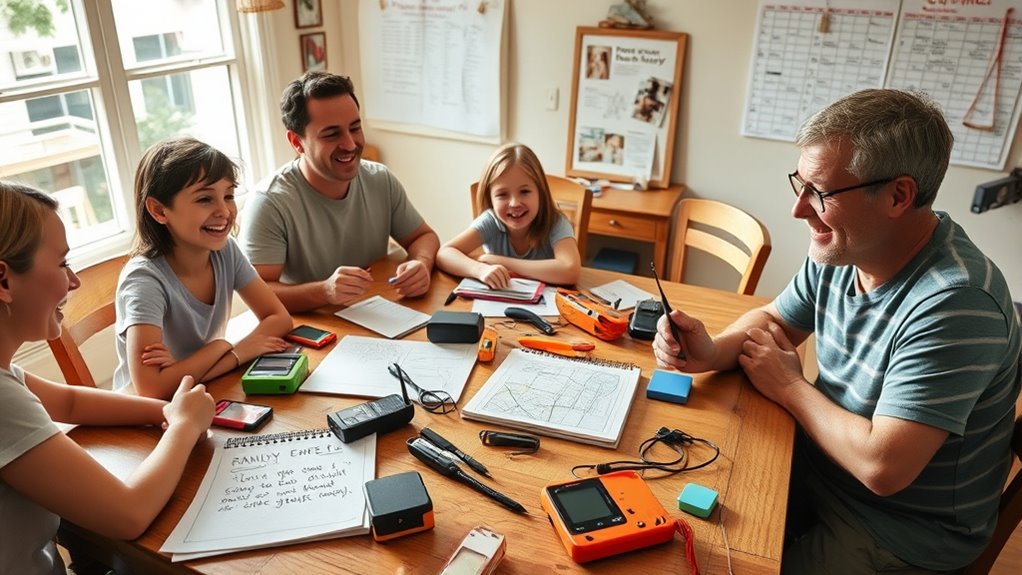
Have you ever thought about how your family would stay connected during an emergency? Evaluating your family’s emergency communication needs is a vital step in emergency preparedness. Start by discussing with everyone what methods they prefer for staying in touch, whether through cell phones, text messages, or radio. Consider if some members might have limited access to technology or need alternative ways to communicate. Think about potential disruptions, like power outages or network failures, and plan accordingly. Map out which family members should be contacted first and how to reach them. By understanding your family’s communication preferences and vulnerabilities, you guarantee everyone stays informed and safe during a crisis. This proactive approach strengthens your overall emergency preparedness. Additionally, understanding communication technology limitations is crucial to developing a comprehensive plan that ensures connectivity when it matters most. Recognizing the impact of power outages helps you prepare backup communication options such as battery-powered devices or satellite phones. Familiarity with emergency communication protocols ensures everyone knows how to act quickly and effectively during a crisis. Incorporating redundant communication methods can further enhance your family’s ability to stay connected under various circumstances. Being aware of the limitations of traditional communication channels allows families to adopt more resilient solutions.
Designating a Family Contact Person
Choosing a family contact person is a key step in guaranteeing effective communication during emergencies. This person acts as the central point for emergency coordination, helping family members stay informed and connected. When selecting a family contact, choose someone reliable, reachable, and familiar with all members’ contact information. This individual should be able to communicate clearly and calmly in stressful situations. Make sure everyone in your family knows who the contact person is and understands their role. Having a designated family contact helps streamline updates, reduce confusion, and assure that everyone receives critical information quickly. Establishing healthy boundaries around communication roles can prevent misunderstandings and ensure clarity during stressful times. Additionally, selecting a contact who is familiar with local resources and emergency procedures can enhance your family’s preparedness. Building familiarity with emergency communication protocols ensures your family can respond effectively in crises. Incorporating emerging technologies such as automated alerts can further improve communication efficiency during emergencies. For instance, using specialized communication tools can facilitate rapid and reliable updates. This simple step can make a significant difference in maintaining order and safety during family emergencies.
Creating a Communication Map and Contact List

Creating a communication map and contact list is essential for guaranteeing everyone knows how to stay connected during an emergency. It helps streamline family communication and ensures emergency contacts are easily accessible. Start by mapping out each family member’s location and assign specific roles. Include key contact info like phone numbers, email addresses, and alternative contacts. Use the table below to organize this information clearly:
| Name | Role | Contact Info |
|---|---|---|
| Parent 1 | Parent | 555-1234, email@example.com |
| Child 1 | Child | 555-5678, parent’s number |
| Neighbor | Emergency Contact | 555-8765, neighbor@example.com |
| Family Friend | Backup Contact | 555-4321, friend@example.com |
This map guarantees everyone can quickly find the right contacts and maintain family communication during emergencies. Additionally, understanding privacy and cookie policies can help you manage shared information securely. Being aware of company values can also guide how you handle sensitive data within your family communication plan. It is also important to incorporate fetal development milestones to ensure health and safety during pregnancy. Incorporating emergency preparedness practices, such as drills and supplies, can further strengthen your family’s readiness. Moreover, utilizing AI security solutions can enhance the safety of your family’s digital communication channels during crises.
Choosing Reliable Communication Methods

When selecting communication methods, consider your cell phone options and whether they work in different areas. It’s also smart to have alternative tools like walkie-talkies or satellite devices in case cell service is down. Don’t forget to check signal strength and coverage so you’re prepared for any situation. Additionally, familiarize yourself with reliable communication methods such as satellite phones or emergency radios that can operate independently of cell networks. For example, understanding vehicle communication systems can be crucial if you’re traveling in remote areas without cell coverage. Being aware of emergency communication protocols can help you coordinate effectively during critical moments, and staying informed about communication technology developments ensures you choose the most effective tools for your needs. Incorporating professional communication systems into your plan can further enhance your preparedness for family emergencies.
Cell Phone Options
Cell phone options are essential for maintaining reliable communication during family emergencies. Choosing the right provider guarantees you stay connected when it matters most. Look for cell phone providers with strong coverage in your area and reliable service during outages. Emergency texting can be a lifesaver, allowing quick updates even when voice networks are overloaded. Consider different plans based on your family’s needs, such as unlimited texts or shared data. Here’s a quick comparison:
| Feature | Benefits |
|---|---|
| Cell Phone Providers | Reliable coverage, emergency support |
| Emergency Texting | Quick alerts, network resilience |
| Prepaid vs. Contract Plans | Flexibility, cost savings |
Pick options that prioritize dependability for your family’s safety. Additionally, selecting a provider with good network reliability ensures that communication remains uninterrupted during critical moments. Ensuring your plan accommodates privacy policies can also help protect your family’s personal information during emergencies.
Alternative Communication Tools
Have you considered alternative communication tools to stay connected during emergencies? Walkie talkie alternatives like two-way radios can be invaluable when cell networks are down. They provide instant communication over short distances, making coordination easier. Additionally, social media tools such as Facebook, Twitter, or WhatsApp enable quick updates and information sharing, even if traditional lines fail. These platforms allow your family to stay informed and alert each other to evolving situations. It’s essential to select tools that are reliable, easy to operate, and accessible to everyone in your household. Preparing these alternatives guarantees that you’re not solely dependent on cell service, increasing your family’s chances of staying connected no matter what happens. Incorporating a mix of these options into your emergency plan for greater security. Moreover, understanding sound vibrations can enhance your preparedness by providing additional calming techniques during stressful situations. Recognizing communication reliability is crucial to ensure your chosen methods work effectively when needed.
Signal and Coverage
How can you guarantee your communication methods remain effective during an emergency? Focus on signal and coverage. First, choose devices with strong signal strength to ensure reliable connections. Second, verify that your coverage area includes all critical locations, like your home, workplace, and nearby safe zones. Third, consider backup options, such as two-way radios or satellite phones, in case cellular networks fail. Reliable signal strength prevents dropped calls, while wide coverage areas ensure you stay connected no matter where you are. Test your devices regularly to confirm they work in different areas. Additionally, understanding the vulnerabilities in AI security emphasizes the importance of having multiple, dependable communication methods to adapt to unforeseen disruptions. Remember, during emergencies, every second counts—having dependable communication methods can make all the difference for your family’s safety.
Establishing Check-In Procedures and Times
Setting designated check-in times guarantees everyone knows when to update each other, reducing confusion during an emergency. Using multiple contact methods increases the chances of reaching family members quickly. Keep an emergency contact list handy so you can quickly share and verify contact details when needed.
Designated Check-In Times
Establishing clear designated check-in times guarantees your family stays connected during an emergency. Consistent emergency check-ins help maintain family communication and ensure everyone’s safety. To make this effective:
- Choose specific times that work for everyone’s schedule and stick to them.
- Decide whether check-ins are daily, hourly, or at critical points.
- Clarify who is responsible for initiating each check-in.
Multiple Contact Methods
To guarantee your family stays connected during an emergency, it’s important to establish multiple contact methods and clear check-in procedures. Rely on satellite phones as a reliable backup if traditional networks fail, especially in areas with limited cell coverage. Encourage everyone to familiarize themselves with how to use these devices effectively. Additionally, leverage social media platforms for updates and reassurance, as they allow quick communication with multiple family members simultaneously. Make sure everyone knows how and when to post check-ins or status updates, even if it’s just a simple message confirming safety. Combining satellite phones and social media ensures multiple pathways for communication, reducing the risk of isolation and keeping everyone informed until normal channels are restored.
Emergency Contact List
Creating a detailed emergency contact list with clear check-in procedures and times guarantees everyone knows exactly when and how to confirm their safety. Effective family communication during emergencies depends on having this plan in place. To ensure smooth coordination, consider these key points:
- List all family members and trusted contacts with multiple ways to reach them.
- Establish specific check-in times and methods, such as calls or texts.
- Assign a designated check-in person responsible for confirming everyone’s safety.
Having this contact list and schedule helps reduce confusion, improves emergency preparedness, and keeps everyone informed. By clearly defining how and when family members should communicate, you create a reliable system that minimizes stress during crises.
Developing a Family Emergency Communication Kit
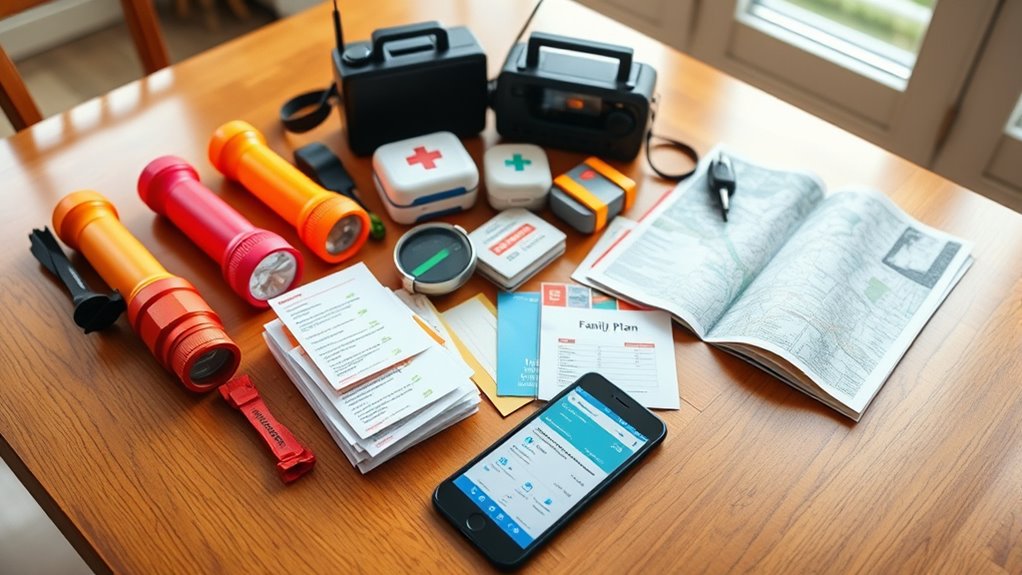
Having a well-prepared family emergency communication kit guarantees you’re ready to stay connected when disaster strikes. Your kit should include essential communication technology like a portable charger, batteries, and a battery-powered radio to access emergency alerts. Keep copies of important contact information, including your emergency contact list, in both digital and printed formats. Include a whistle to signal for help and a flashlight for visibility during power outages. Organize a list of local shelters and hospitals. This kit is a crucial part of your emergency preparedness, ensuring you can communicate effectively even if traditional channels fail. Regularly check and update your supplies to stay ready. Proper planning now helps you respond swiftly and stay connected when it matters most.
Practicing and Drilling Your Communication Plan
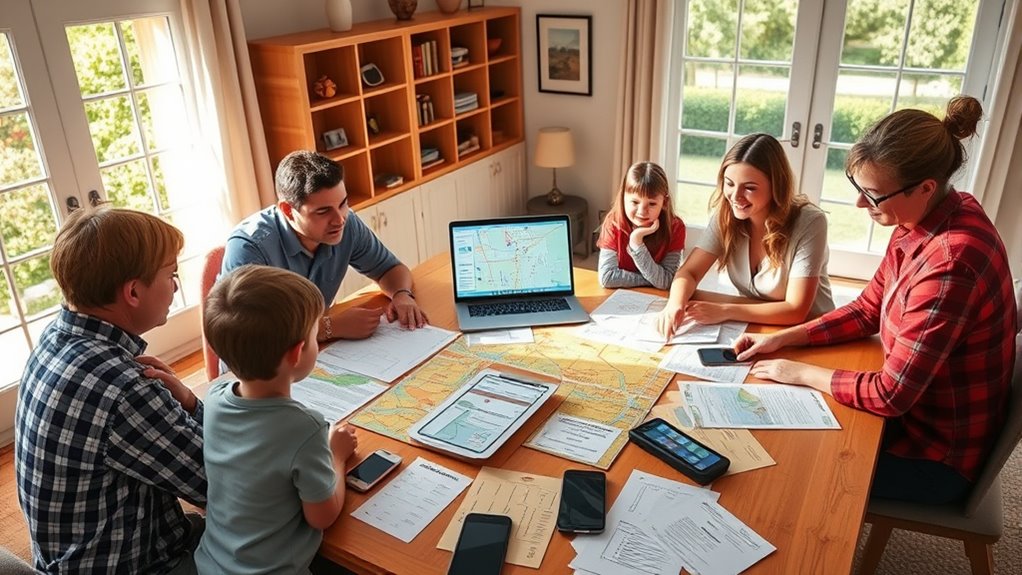
You should regularly practice your communication plan to identify any gaps or issues. Make certain to update your contact list so everyone has the latest information. Conduct drills periodically to ensure your family can quickly connect during an emergency.
Conduct Regular Drills
How often do you practice your family’s communication plan? Regular drills are essential for effective emergency preparedness and strengthening family communication during crises. By practicing, you identify gaps and ensure everyone knows their role. To maximize your efforts, focus on these key points:
- Schedule drills at least twice a year to keep everyone prepared.
- Simulate different emergency scenarios to test your plan’s flexibility.
- Involve all family members, including children, to build confidence and familiarity.
Consistent practice helps your family stay calm and organized during actual emergencies. It also guarantees that communication flows smoothly under stress. Remember, the goal of these drills is to create a seamless, reliable emergency communication system that everyone understands and trusts. Regular exercises are crucial to your overall emergency preparedness plan.
Update Contact List
Regular drills help identify gaps in your emergency communication plan, and keeping your contact list up to date guarantees everyone can be reached quickly when it matters most. Review and update your contact information regularly, including phone numbers, email addresses, and physical addresses for all family members and emergency contacts. Verify that each person’s details are accurate and current, especially if there are changes in phone numbers or living arrangements. Make sure emergency contacts are easily accessible and known to everyone in your family. Storing this information in a shared, secure location guarantees quick access during crises. By routinely updating your contact list, you reduce confusion and delays, ensuring your family stays connected and informed during an emergency.
Updating and Reviewing the Plan Regularly
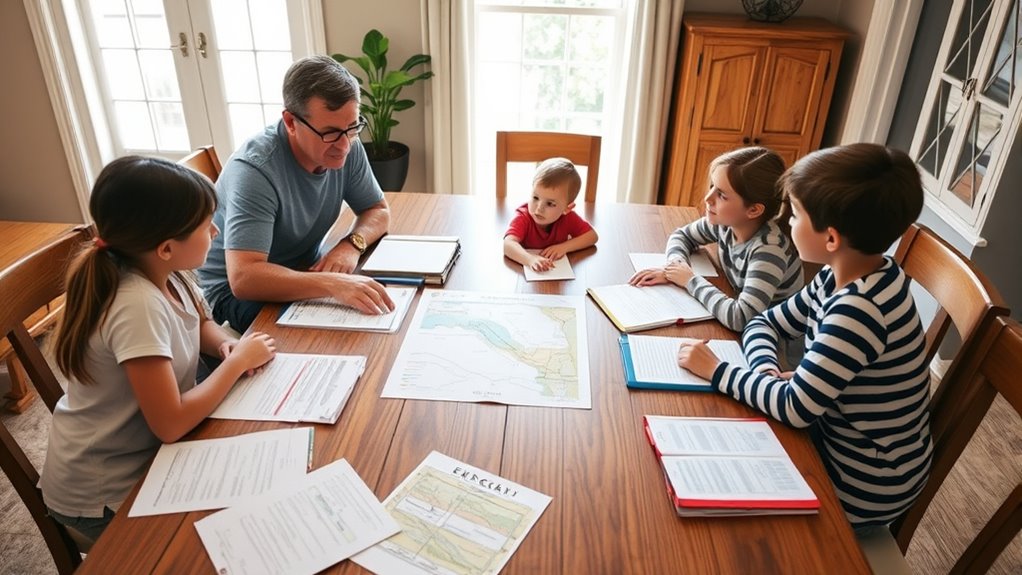
To make certain your family emergency communication plan remains effective, it’s essential to review and update it frequently. Regular plan review helps you identify outdated information and adapt to changing circumstances. To stay on top of this, consider these key steps:
Regularly review and update your family emergency plan to stay prepared and adapt to change.
- Schedule updates at least once every six months to ensure contact details and procedures stay current.
- Test the plan with family drills to identify gaps and improve response times.
- Keep an organized record of any changes made during reviews to track progress and ensure everyone is informed.
Educating All Family Members About the Plan

Once you’ve reviewed and updated your family emergency communication plan, it’s important to guarantee everyone understands it thoroughly. Family member education is key to ensuring all members recognize their roles and responsibilities during an emergency. You should hold a family meeting to walk everyone through the plan, emphasizing emergency plan awareness. Explain how to use communication tools, where to meet, and how to contact each other if separated. Make sure even young children grasp the basics, and encourage questions to clarify any confusion. Practice drills together so everyone feels confident in executing the plan. Regularly revisiting and reinforcing this knowledge helps keep your family prepared and ensures the plan remains fresh in everyone’s minds when it’s needed most.
Integrating Your Communication Plan With Community Resources

Integrating your communication plan with community resources strengthens your family’s preparedness by ensuring access to essential support systems during emergencies. Effective community resource coordination helps you connect with local emergency protocols, first responders, and support agencies. To do this:
Connecting your family’s communication plan with community resources enhances emergency preparedness effectively.
- Contact local emergency management offices to understand existing protocols and available resources.
- Share your family’s communication plan with community organizations, schools, and neighbors.
- Establish clear points of contact within community agencies to facilitate quick support when needed.
Frequently Asked Questions
How Can I Ensure My Plan Accounts for Family Members With Special Needs?
To guarantee your plan accounts for family members with special needs, you need to include special needs accommodations and accessibility considerations. You should identify their specific requirements, such as communication tools or mobility aids, and ensure these are integrated into your plan. Keep open communication with them, regularly update the plan, and share it with all family members. This way, everyone stays prepared and safe during emergencies.
What Are the Best Ways to Communicate With Children During Emergencies?
During emergencies, you can best communicate with children by keeping explanations simple and reassuring. Use familiar routines like bedtime routines to create a sense of stability, and incorporate play or storytelling to ease anxiety. Guarantee safety by discussing playground safety if outdoor areas are involved. Stay calm and listen actively, making sure they feel heard and secure. Consistent, caring communication helps children understand and cope during stressful situations.
How Do I Coordinate Communication Plans With Neighbors or Community Groups?
You can coordinate communication plans with neighbors or community groups by creating neighborhood networks and participating in community drills. Share contact information, establish a common communication method, and agree on signal alerts. Join or organize regular drills to practice your plan, ensuring everyone knows their role. Building strong relationships and practicing together make it easier to share information quickly and effectively during emergencies, keeping everyone safer.
What Technology Options Are Most Effective if Cell Towers Are Down?
Did you know that 85% of communication failures during disasters involve cell tower outages? When cell towers are down, satellite communication and radio systems become your best options. Satellite phones work independently of local infrastructure, providing reliable connection anywhere. Radio systems, especially HAM radios, let you communicate with neighbors or emergency services without relying on cell networks. Keep these tools ready to stay connected during a crisis.
How Can I Involve Extended Family Members in the Emergency Communication Plan?
You can involve extended family by creating a family reunification plan and updating emergency contact lists regularly. Share these lists with everyone and agree on a primary and backup communication method, like a group chat or a designated phone tree. Encourage all members to practice the plan, so in an emergency, everyone knows how to reconnect quickly and stay informed, ensuring family reunification is smooth and coordinated.
Conclusion
By crafting a solid communication plan, you’re building a safety net woven with trust and preparation. Think of it as planting seeds now, so when storms come, your family will stand strong together, resilient and connected. Regularly review and practice your plan, nurturing it like a garden that blooms with confidence. With these steps, you’ll transform chaos into clarity, ensuring your loved ones stay linked and safe—your family’s lifeline in any emergency.