To help kids cope without causing panic, provide honest, simple information tailored to their age. Use gentle guidance, reassuring words, and create space for them to express feelings openly. Teach age-appropriate coping skills like breathing or journaling, and prepare them for changes with clear, positive messages. By modeling calmness and patience, you foster resilience and confidence. If you want more tips on supporting children through stressful times, there’s plenty more to explore.
Key Takeaways
- Use simple, honest explanations tailored to your child’s developmental level to reduce fear and build understanding.
- Create a safe space for emotional expression, validating feelings without rushing to fix problems.
- Introduce age-appropriate coping strategies like breathing exercises for young children and journaling for older kids.
- Provide clear, positive information about upcoming events to reduce uncertainty and foster a sense of control.
- Model calm behavior and reinforce resilience to help children feel secure and confident in managing stress.

Have you ever wondered how to support kids when they’re struggling to deal with difficult emotions or stressful situations? It’s a common concern for parents and caregivers alike. The key is to prepare them in a way that’s age-appropriate and free from panic. Instead of overwhelming your child with details or creating anxiety, focus on providing gentle guidance that builds their confidence and resilience. Children need honest information, but it should be tailored to their developmental level. For younger kids, that might mean simple explanations and reassurance. Older children can handle more detail, but it’s important to keep your tone calm and supportive.
Support kids with age-appropriate guidance, honesty, and calm reassurance to build confidence and resilience during stressful times.
Start by creating a space where your child feels safe to express their feelings. When they’re upset or anxious, listen actively without rushing to fix the problem. Use phrases like, “That sounds really hard,” or “I see you’re upset,” to validate their emotions. This helps them understand that their feelings are normal and acceptable. Once they feel heard, you can introduce coping strategies appropriate to their age. For a preschooler, that might be breathing exercises or counting to ten. For older children, techniques like journaling, mindfulness, or talking through their worries can be more effective.
It’s also essential to prepare your child for upcoming changes or stressful events in a way that doesn’t cause unnecessary alarm. For example, if they’re about to start school or visit the doctor, give them simple information ahead of time. Let them know what to expect, and reassure them that they can ask questions or call for help if they need it. This approach reduces uncertainty, which often fuels anxiety. Keep your language positive and focus on what they can control, like packing their bag or practicing a new skill.
Model calm behavior yourself. Kids pick up on your cues, so if you stay composed, they’re more likely to feel secure. If you’re feeling anxious, acknowledge it, but don’t dwell on it. Say something like, “Mommy’s a little nervous, too, but I know everything will be okay.” That teaches them that it’s normal to feel worried, but it’s also manageable. Be patient and consistent in your approach, reaffirming their strength and resilience. Over time, these small, age-appropriate preparations can make a big difference, helping your child face challenges with confidence rather than fear. Recognizing the importance of developmental milestones can also guide you in providing appropriate support as your child grows.

Breathing Exercise Cards for Kids, Deck for Classroom, Calm Down Corner Kit, Sensory Room, Social Emotional Yoga Games for Kids, Mindfulness Tools for Play Therapy, or Relaxation
*Award-Winning* 34 Colorful and Beautifully Poses Illustrated Cards: You can use this yoga for kids cards during brain…
As an affiliate, we earn on qualifying purchases.
As an affiliate, we earn on qualifying purchases.
Frequently Asked Questions
How Can I Tell if My Child Is Overwhelmed or Anxious?
If your child seems unusually clingy, irritable, or has trouble sleeping, they might be overwhelmed or anxious. Watch for physical signs like stomachaches or headaches, and notice if they withdraw from activities they usually enjoy. Pay attention to their words and behaviors—if they express worries or seem overwhelmed by daily routines, it’s a sign to gently talk with them and offer reassurance to help them feel safe and supported.
What Are Some Signs My Child Is Struggling Emotionally?
About 1 in 7 children experience mental health issues, so it’s essential to spot signs early. If your child avoids social interactions, shows sudden changes in mood, struggles to focus, or complains of physical symptoms like headaches, they might be struggling emotionally. Pay attention to their behavior, listen actively, and offer reassurance. Recognizing these signs early helps you support them better and seek professional help if needed.
How Do I Handle My Own Anxiety About Their Transition?
To handle your anxiety about their changeover, acknowledge your feelings without judgment and practice self-care. Take deep breaths, stay connected with supportive friends or family, and focus on what you can control. Remind yourself that your calmness helps your child feel secure. Limit your exposure to stress-inducing news or social media, and seek professional support if needed. Your steady presence can make a significant difference for both of you.
When Should I Seek Professional Help for My Child’s Coping Issues?
You should seek professional help when your child’s coping issues persist beyond a few reassuring chats or seem to interfere with daily life. If they show signs of severe anxiety, withdrawal, or frequent tantrums that don’t improve, it’s time to call in a pro. Don’t wait for your child to turn into a tiny, anxious version of a drama queen—get help early and save everyone’s sanity.
Are There Specific Activities That Help Children Build Resilience?
You can help your child build resilience through activities like encouraging problem-solving, fostering independence, and practicing mindfulness together. Play games that require strategizing, like puzzles or team sports, to boost their confidence. Encourage open conversations about feelings, and teach them coping skills like deep breathing. Supporting your child in trying new activities and praising effort over outcome helps them develop emotional strength and adaptability over time.

Nollh DIY Journal Kit for Girls – 200+PCS Teen Tween Girl Gifts Trendy Stuff, Stocking Stuffers, Scrapbook Supplies Stationery Set, Art Crafts Kit – Ideal Gifts for 8 9 10 11 12 13 14 Year Old Girl
DIY Journal Kit: Nollh DIY journal kit includes everything needed to create beautiful journal. From young girls recording…
As an affiliate, we earn on qualifying purchases.
As an affiliate, we earn on qualifying purchases.
Conclusion
By preparing your kids in an age-appropriate way, you empower them to face challenges confidently, reducing anxiety for both of you. Some might worry this approach could seem too simplistic or dismiss their child’s feelings. However, honest communication combined with reassurance shows you understand their emotions while providing practical tools. Remember, fostering resilience doesn’t mean ignoring worries; it means guiding your child gently through them, helping them build strength and trust in their own abilities.
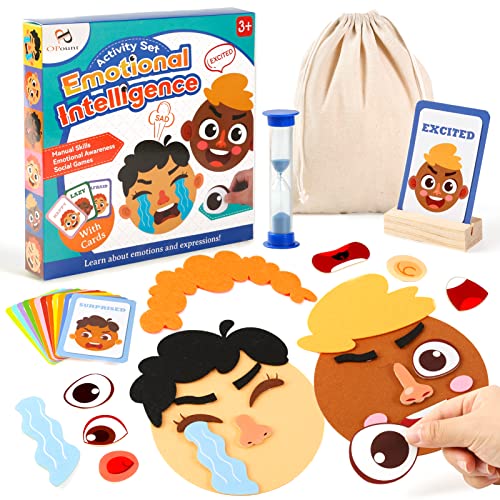
PP OPOUNT Social Emotional Learning Game, Funny Faces with 28 Expressions & 12 Emotion Flashcards, Ages 3+
Value Emotional Learning Toy: A value emotions and feelings game to improve social skills
As an affiliate, we earn on qualifying purchases.
As an affiliate, we earn on qualifying purchases.

Squishy Fidget Sensory Toys for Kids, Calming Down Sensory Tools for Autism Autistic Special Needs, Sensory Bin Squeeze Toys for Classroom Prize, Travel Toys,Easter Gifts for Kids Toddlers
Patented Design PERFECT SENSORY TOY – It is a great fidget pack for any ages, toddlers, kids, students,…
As an affiliate, we earn on qualifying purchases.
As an affiliate, we earn on qualifying purchases.