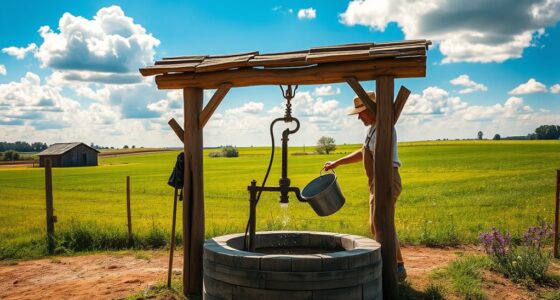
To implement rainwater harvesting, start by collecting rain from rooftops using gutters and directing it into storage tanks like barrels or underground cisterns. Filter and clean the water to keep it safe for use, and plan for proper maintenance. Combining surface collection with underground storage maximizes capacity and efficiency, reducing runoff and water bills. For more practical tips and innovative strategies, explore how these techniques can enhance your water conservation efforts.

Get emergency and outdoor gear delivered free — and shop member deals
- Fast, free delivery on millions of items
- Access to Prime Big Deal Days deals on October 6–7
- Prime Video, Amazon Music and more included
Key Takeaways
- Collect rainwater from rooftops using gutters and direct it into storage systems like barrels or underground tanks.
- Use underground cisterns for large-capacity storage, preserving space and providing reliable water during droughts.
- Incorporate filtration systems to keep stored rainwater clean and suitable for various non-potable uses.
- Regularly inspect and maintain gutters, filters, and tanks to prevent blockages and leaks.
- Integrate rainwater harvesting with urban water management to reduce runoff, prevent flooding, and promote sustainability.
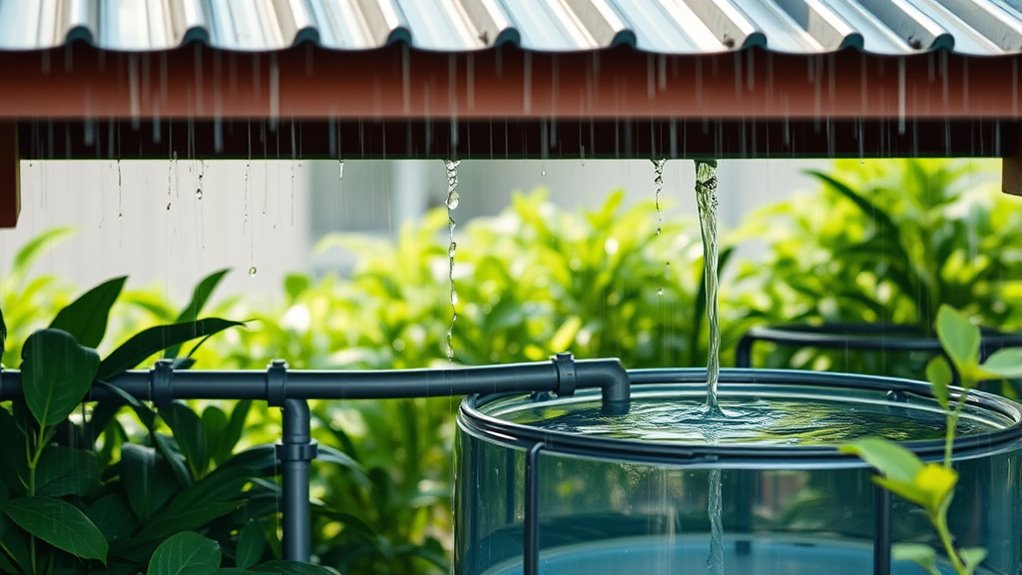
Have you ever considered how capturing rainwater can benefit your home and the environment? Implementing rainwater harvesting techniques not only reduces your dependence on municipal water supplies but also helps conserve this essential resource. One practical way to start is by setting up urban rooftop systems. These systems are designed to collect rainwater from your building’s roof, which is often an underutilized source in city settings. Urban rooftop systems typically include gutters and downspouts that direct water into storage containers, such as barrels or tanks. They’re simple to install and cost-effective, making them ideal for city dwellers looking to harness rainwater without extensive excavation or infrastructure changes. These systems can be connected directly to your garden irrigation, toilet flushing, or other non-potable uses, notably lowering your water bills.
Beyond rooftop collection, underground cisterns offer a more discreet and substantial storage solution. These large, sealed tanks are buried beneath your yard or driveway, providing ample space to store rainwater collected from multiple sources, including rooftop systems and surface runoff. Installing underground cisterns requires some planning and excavation, but they’re worth the effort if you want a reliable supply of stored water. Because they’re underground, these cisterns won’t take up valuable surface space or interfere with your landscape design. They also help maintain aesthetic appeal, keeping your yard tidy and free of bulky tanks. Once installed, underground cisterns can hold thousands of gallons of water, which you can use during dry spells or drought conditions. This makes them especially useful in areas with inconsistent rainfall.
Using underground cisterns combined with urban rooftop systems creates a broad rainwater harvesting setup. You collect rainwater efficiently from your roof, filter out debris, and direct it into your underground storage for later use. This integration ensures you maximize every drop of rain that falls on your property. Plus, these systems promote sustainability by reducing stormwater runoff, which can cause flooding and pollution in urban neighborhoods. Proper filtration and maintenance are essential to keep the stored water clean and safe for your intended uses. Regularly inspecting your underground cisterns and rooftop components prevents leaks and blockages, ensuring your system operates smoothly year-round. Additionally, utilizing urban water management strategies can further enhance your rainwater harvesting efforts.
As an affiliate, we earn on qualifying purchases.
Frequently Asked Questions
What Are the Environmental Benefits of Rainwater Harvesting?
By harvesting rainwater, you promote water conservation, reducing reliance on strained municipal supplies. It also helps recharge groundwater levels, supporting ecosystems and maintaining natural water cycles. This sustainable practice minimizes runoff, decreases erosion, and reduces pollution entering water bodies. You’ll protect the environment, conserve resources, and contribute to a healthier planet. Implementing rainwater harvesting benefits both your community and the environment by promoting responsible water use.
How Much Does a Rainwater Harvesting System Typically Cost?
You might be surprised, but a rainwater harvesting system can cost anywhere from $1,000 to over $10,000 depending on size and complexity. Imagine your system quietly collecting water, with system pricing varying based on tank material, pump quality, and installation costs. Cost estimates fluctuate, so you’ll want to contemplate your needs carefully. With some planning, you can find an option that fits your budget while saving water and money long-term.
Can Rainwater Harvesting Be Integrated With Existing Plumbing Systems?
Yes, you can integrate rainwater harvesting with your existing plumbing system. You’ll need to guarantee system compatibility and consider plumbing integration options, such as installing a diverter or filter. It’s advisable to consult a professional to assess your setup, so the system works seamlessly without disrupting your regular water supply. Proper integration allows you to efficiently use harvested rainwater for non-potable needs, saving water and reducing your utility costs.
What Maintenance Is Required for Rainwater Storage Tanks?
You need to regularly clean your rainwater storage tanks to prevent algae, sediment, and bacteria buildup. Schedule tank cleaning at least once a year and inspect for leaks or cracks during each maintenance session. Check the inlet and outlet filters and ensure that all fittings are secure. Proper maintenance keeps your rainwater safe and prolongs the tank’s lifespan, saving you money on repairs and ensuring a reliable water supply.
Are There Legal Restrictions on Rainwater Harvesting in Some Areas?
You should verify local regulations because legal restrictions on rainwater harvesting vary by area. Some regions require permits and have specific legal compliance rules to follow. You might need to register your system or adhere to safety standards. Failing to meet permitting requirements could lead to fines or other penalties. Always research your local laws beforehand to ensure your rainwater harvesting practices are legal and compliant.
Conclusion
By mastering methods like meticulous collection, clever curation, and careful conservation, you can confidently create a consistent, cost-effective water source. Rainwater harvesting isn’t just practical; it’s a powerful, proactive practice that promotes sustainability and self-sufficiency. So, seize, store, and sustain—turning tiny droplets into a dependable, durable resource. With wise water wisdom, you’ll weave a well-worn web of water wisdom, welcoming a warmer, wetter, more working world.
Fall Picks
fall essentials
As an affiliate, we earn on qualifying purchases.