To set up a home hydroponics system, start by choosing suitable containers and filling them with nutrient solutions that have balanced minerals. Install energy-efficient LED grow lights about 12 to 24 inches above your plants and set timers for 12 to 16 hours of light daily. Guarantee proper water circulation with aeration devices and keep pH levels between 5.5 and 6.5. Maintain consistent temperature and security measures, and you’ll create an ideal environment for healthy, soil-free growth. Continue exploring to optimize your setup further.
Key Takeaways
- Choose a suitable container or grow tray that supports water circulation and root development.
- Prepare and adjust a balanced nutrient solution with proper pH and temperature levels.
- Install energy-efficient LED grow lights at an optimal height and set a consistent light schedule.
- Incorporate aeration devices like air stones to ensure roots receive sufficient oxygen.
- Maintain environmental stability by monitoring temperature, humidity, and protecting the setup from theft or damage.

Have you ever wondered how to grow fresh vegetables right in your own home without soil? Setting up a home hydroponics system makes this possible, and it’s simpler than you might think. The first step is understanding that your plants will thrive in a controlled environment where nutrient solutions deliver essential minerals directly to their roots. Unlike traditional gardening, hydroponics relies on water-based nutrient delivery, so selecting the right nutrient solutions is essential. You’ll want to choose a balanced mix that provides nitrogen, phosphorus, potassium, and trace minerals. These solutions come in liquid concentrates or pre-mixed formulas, and adjusting their concentration ensures your plants get just what they need without overfeeding or undernourishing them.
Next, light optimization plays a key role in your hydroponic setup. Since your plants won’t be relying on natural sunlight alone, you need to provide adequate artificial lighting to promote healthy growth. LED grow lights are a popular choice because they’re energy-efficient and offer adjustable spectrums tailored to different growth stages. Position your lights about 12 to 24 inches above your plants, depending on the light’s intensity and the type of crops you’re growing. Consistent light exposure of 12 to 16 hours per day encourages photosynthesis, which is essential for producing energy and fostering robust plant development. Be mindful of light placement; too close can cause heat stress, while too far may result in weak, elongated plants. Using a timer makes it easier to maintain a consistent light schedule, mimicking natural day-night cycles and avoiding stress that could stunt growth.
In addition to nutrient solutions and light, you’ll need a suitable container or grow tray that supports water circulation and root development. A good hydroponic system ensures your roots stay submerged in the nutrient solution while providing enough oxygen to prevent root rot. Aeration devices like air stones or diffusers help maintain oxygen levels in the water, which is essential for healthy roots. Regularly check the pH of your nutrient solution, aiming for a range of 5.5 to 6.5, to maximize nutrient uptake. Keep an eye on the water temperature, ideally between 65 and 75°F, as temperature fluctuations can impact nutrient absorption and plant health. Studies also show that security measures can help protect your hydroponic setup from theft or vandalism, ensuring your investment remains safe. With these elements in place—optimized nutrient solutions, proper lighting, and adequate aeration—you’ll create an ideal environment for your plants to grow vigorously without soil.

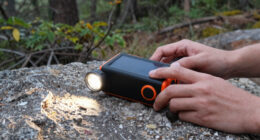
FosPower NOAA Emergency Weather Radio A1 7400mWh Portable Power Bank, AM/FM, USB/Solar/Hand Crank Charging, Battery Operated, SOS Alarm & Flashlight for Indoor/Outdoor Emergency - Orange
- Power Bank Capacity: 7400mWh (2000mAh) portable power
- Multiple Charging Options: Crank, solar, USB, and batteries
- Built-in Lighting: LED reading light and flashlight
As an affiliate, we earn on qualifying purchases.
Frequently Asked Questions
What Is the Initial Cost of Setting up a Hydroponics System?
The initial cost of setting up a hydroponics system varies, but expect to spend around $100 to $500. Your cost breakdown includes equipment expenses like grow lights, reservoirs, pumps, and nutrient solutions. You might also need containers and testing kits. By understanding these equipment expenses, you can plan your budget effectively, ensuring you invest in quality gear that boosts plant growth and minimizes future maintenance costs.
How Much Space Is Needed for a Home Hydroponics Setup?
You’ll need about 2 to 4 square feet per plant for a home hydroponics setup, depending on the plant size. For equipment essentials like grow lights, reservoirs, and nutrient delivery systems, plan for extra space—around 10 to 20 square feet for a small to medium system. Make sure your area has good lighting, ventilation, and easy access for maintenance, ensuring your plants thrive comfortably.
Can Beginners Successfully Grow Plants Hydroponically?
Yes, beginners can successfully grow plants hydroponically. With simple techniques, you’ll find it easier to start and maintain your system. Focus on basic steps like choosing the right plants, maintaining proper nutrient levels, and controlling light and water. As you gain experience, your success rate will improve. Don’t worry about perfection at first—practice and patience are key to thriving in hydroponic gardening.
What Are Common Pests or Diseases in Hydroponic Systems?
Imagine your lush hydroponic garden as a delicate symphony, vulnerable to pests and diseases that can throw it into chaos. Common pests like aphids and spider mites can stealthily invade, while diseases such as root rot threaten your plants’ health. To keep your garden thriving, practice pest prevention and disease management diligently—regularly inspect, maintain cleanliness, and guarantee proper nutrient balance to protect your indoor oasis.
How Often Should Nutrient Solutions Be Changed?
You should change your nutrient solutions every 1 to 2 weeks to guarantee ideal nutrient replenishment and prevent issues like nutrient imbalance. Regular system maintenance includes monitoring pH levels and adjusting as needed, and topping off the solution between changes. This keeps your hydroponic system functioning smoothly, promotes healthy plant growth, and reduces the risk of pests or diseases caused by stagnant or imbalanced solutions.
Conclusion
Now that you’ve set up your home hydroponics system, you’re on the path to growing fresh, lush plants right in your own space. With a little care and attention, you’ll watch your garden thrive like a rainforest in your living room. Remember, patience and consistency are your best friends here—soon, you’ll be harvesting more than you ever thought possible. Get ready to impress everyone with your green thumb and transform your home into a vibrant, edible paradise!