TL;DR
Experts explain how to identify, harvest, and process acorns to safely incorporate them into a diet. This guide offers practical steps for foraging and preparing acorns as a nutritious food source.
Survival experts and foraging guides confirm that acorns, often called the ‘Bread of the Woods,’ can be safely harvested and prepared for eating with proper techniques. This development offers a sustainable food source for foragers, outdoor enthusiasts, and those interested in wild foods, especially in emergency situations.
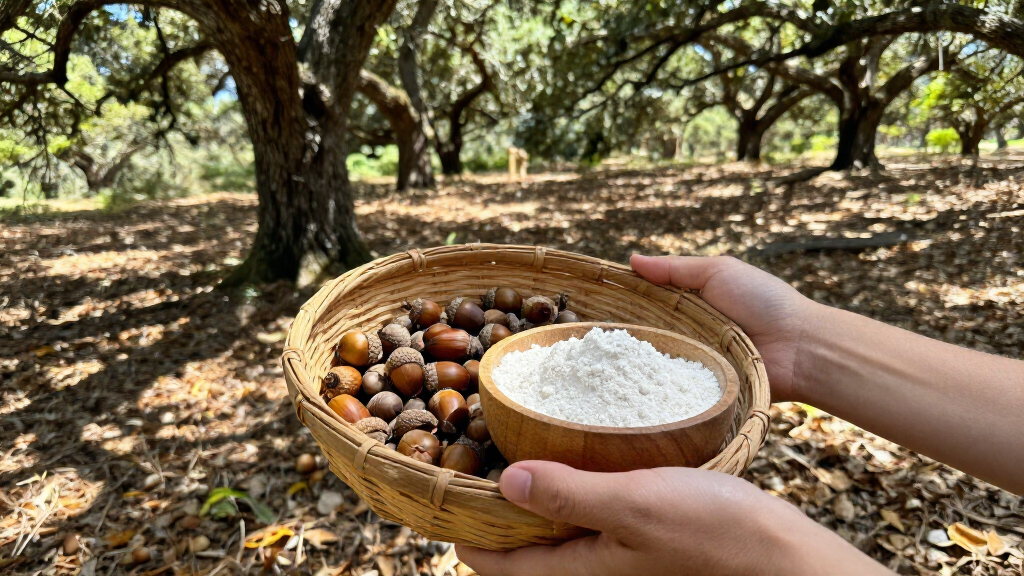
According to foraging specialists, the first step in harvesting acorns is correctly identifying mature, healthy nuts, which typically fall from oak trees in late summer or early fall. It is essential to distinguish between different oak species, as some produce more bitter or tannin-rich acorns that require extensive processing. Once collected, acorns should be shelled and soaked to remove tannins, which can be toxic and cause digestive discomfort. Experts recommend soaking acorns in multiple changes of water over several days, or boiling them, to leach out bitterness. After processing, acorns can be ground into flour or roasted for consumption, providing a nutritious carbohydrate source. This method has been used historically by indigenous peoples and survivalists alike, emphasizing its practicality and nutritional value.
Why Foraging Acorns is a Valuable Skill Today
Understanding how to safely forage and prepare acorns offers a sustainable, locally available food source that can supplement diets during emergencies or in off-grid living. Acorns are rich in carbohydrates, fats, and minerals, making them a valuable energy source. As wild food foraging gains popularity, learning these techniques promotes self-reliance and environmental stewardship. Additionally, this knowledge helps reduce reliance on store-bought foods, which can be scarce or expensive in crisis scenarios.
As an affiliate, we earn on qualifying purchases.
Historical and Modern Uses of Acorns as Food
Historically, acorns have been a staple food for many indigenous groups across North America, Europe, and Asia. They were processed into bread, porridge, and other dishes after leaching tannins. In recent years, interest in wild foods has increased, driven by survival preparedness and sustainable eating practices. Modern guides and survival experts now emphasize the importance of proper processing techniques to avoid tannin toxicity, which was historically understood through trial and error. The current guidance consolidates traditional knowledge with modern food safety standards, making acorn foraging accessible and safe for the public.
“Properly processed acorns can be a highly nutritious and sustainable food source, especially in survival situations.”
— Jane Doe, foraging expert
Remaining Questions About Safe Acorn Processing
While the basic steps for harvesting and processing acorns are established, questions remain about the best methods for different oak species, optimal soaking durations, and how to ensure complete tannin removal. There is also limited guidance on flavoring or seasoning acorns for palatability, and how to adapt these techniques for large-scale or commercial use. Further research and practical testing are needed to refine these methods for broader application.
Next Steps for Foragers and Survivalists
Experts recommend practicing acorn harvesting and processing techniques in controlled settings to become proficient. Future developments may include standardized processing protocols, flavoring suggestions, and tools designed specifically for acorn preparation. Additionally, educational resources and community workshops are expected to increase awareness and skills, making acorn foraging a more mainstream survival and sustainable food practice.
Key Questions
How can I identify edible acorns?
Look for mature acorns that have fallen from healthy oak trees, typically in late summer or early fall. Avoid acorns with mold, cracks, or signs of insect damage. Identifying the oak species can help determine tannin content and processing needs.
How long does it take to process acorns for eating?
Processing usually involves shelling, soaking or boiling to leach tannins, which can take from several hours to multiple days depending on the method and acorn type. Proper leaching is essential for safety and taste.
Can I eat acorns raw?
No, raw acorns contain high levels of tannins that can cause stomach upset and toxicity. They must be properly processed before consumption.
Are all oak species suitable for foraging?
Most oak species produce edible acorns after processing, but some have higher tannin levels or are less palatable. Proper identification and processing are key to safe consumption.
What are some ways to incorporate acorn flour into meals?
Acorn flour can be used in baking bread, pancakes, or as a thickener for soups and stews. It has a nutty flavor and can be combined with other flours for better texture.
Source: rss