TL;DR

Get emergency and outdoor gear delivered free — and shop member deals
- Fast, free delivery on millions of items
- Access to Prime Big Deal Days deals on October 6–7
- Prime Video, Amazon Music and more included
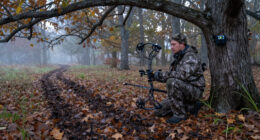
An Outdoor Life report published Sept. 30 outlines hunting whitetails from the ground, based on hunting editor Andrew McKean’s experience in eastern Montana. McKean says moving slowly can make hunts more engaging and help hunters adjust to deer movement, but it requires careful attention to terrain and wind and can bump deer.
Outdoor Life published a report Sept. 30 urging deer hunters to consider hunting whitetails from the ground, drawing on hunting editor Andrew McKean’s experience in eastern Montana. The approach can give hunters more flexibility to follow deer and create close encounters, McKean says, but it also brings challenges including wind management and the risk of disturbing deer.
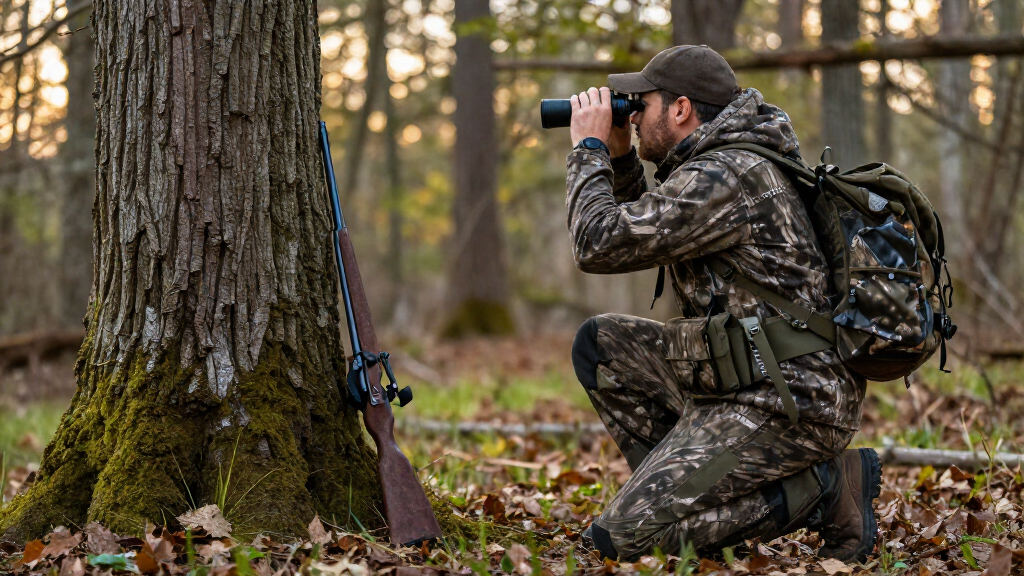
McKean, who hunts in the Milk River valley, says he prefers moving slowly through cover or waiting in a ground position to spending long stretches in a treestand. Still hunting involves frequent pauses to watch and scan the woods, he says. The method can keep hunters engaged with their surroundings, though it demands patience and careful movement.
Ground hunting can also let a hunter respond to where deer appear rather than remain committed to one spot. In McKean’s area, whitetails bed during the day in cottonwood timber or grass and move toward alfalfa fields late in the afternoon. He says knowing those local patterns helps him choose when and where to move into cover near a field.
The report recommends tracking wind direction and speed throughout a hunt, since a route that begins with favorable wind may become unsuitable. McKean also uses rattling antlers from the ground, saying the sound seems more realistic to him there. He cautions that stalking and still hunting can bump deer, and says he reduces his movement when targeting a particular buck.
More Choices Beyond the Treestand
The report presents ground hunting as an option for hunters whose usual stand setup limits where they can respond to deer movement. That flexibility may be useful where deer approach a field from different directions, as McKean describes in Montana. His account is personal experience, however; it does not establish that ground hunting will be more effective in other habitats or for other hunters.
The change also affects the pace and demands of a hunt. Hunters must move quietly, read cover and continually account for scent. McKean says close encounters are part of the appeal, but close range can leave little margin for movement or a poor wind decision.
McKean’s Milk River Approach
The report focuses on whitetail deer hunting and includes advice from McKean, Outdoor Life’s hunting editor. He hunts in eastern Montana’s Milk River valley, where he describes alfalfa fields as a key food source and nearby cottonwood galleries and grass as daytime bedding areas.
McKean’s case is not that hunters should abandon treestands in every situation. The report frames ground hunting as an alternative for hunts when waiting in a stand feels unproductive or when a hunter wants to adjust position after observing deer movement. Local terrain, deer behavior and wind conditions shape whether that approach is practical.
“Time loses all meaning when you’re truly still hunting.”
— Andrew McKean, Outdoor Life hunting editor
Results Depend on Local Conditions
The report does not provide comparative success rates for treestand and ground hunting, or data showing how often either method produces a deer. McKean’s observations come from his own hunts in eastern Montana and may not apply to other regions, terrain or seasons.
It is also unclear how much the method’s effectiveness changes with weather, hunting pressure or differences in deer behavior. The report offers practical suggestions but does not quantify the risks of bumping deer or establish a single best approach for a given hunt.
Hunters Can Adapt Hunt by Hunt
Hunters considering the approach can start by studying local deer movement and selecting a route that accounts for wind throughout the outing, as McKean recommends. The report suggests carrying rattling antlers, and possibly a grunt tube, for hunters who plan to call from a ground position.
Whether to move or stay put can depend on the target. McKean says he moves less cautiously when seeking a specific buck and more freely when hunting does or any suitable buck. The article does not identify a follow-up study or further reporting; its advice is presented for readers to weigh against conditions in their own hunting area.
Key Questions
What does ground hunting mean in the report?
It includes sitting in a natural ground blind, stalking, or still hunting: moving slowly through an area while stopping often to scan for deer.
Why does McKean prefer hunting from the ground?
He says it keeps him engaged, lets him adjust to observed deer movement and can lead to close encounters. Those are his reported experiences, not a guarantee of better results.
What is the main challenge of hunting whitetails on foot?
Hunters need to move carefully, understand local deer patterns and manage wind direction across their route. Still hunting can also disturb or bump deer.
Does the report show ground hunting is more successful?
No. It offers McKean’s account and advice but gives no comparative success rates for ground hunting and treestand hunting.
Source: rss
Fall Picks
fall essentials
As an affiliate, we earn on qualifying purchases.