TL;DR

Get emergency and outdoor gear delivered free — and shop member deals
- Fast, free delivery on millions of items
- Access to Prime Big Deal Days deals on October 6–7
- Prime Video, Amazon Music and more included
Outdoor Life published a buyer’s guide on Oct. 1, 2026, describing factors to weigh when choosing a first firearm suppressor. The report focuses on compatibility, intended use, mounting systems, materials and modularity, while cautioning that decibel ratings are difficult to compare across manufacturers.
Outdoor Life published a guide on Oct. 1, 2026, outlining considerations for people shopping for a first firearm suppressor, including cartridge compatibility, firearm type, attachment system, construction material and whether a modular model suits their needs. The report says decibel ratings can be hard to compare because manufacturers do not use a shared measurement standard, making intended use and practical fit central to the buying decision.
The guide recommends starting with the cartridges and firearms a buyer plans to use. It says a suppressor generally can be used with cartridges whose bullets are smaller than the suppressor’s rated bore, but not with a bullet too large for that bore. A .30-caliber model, for example, may accommodate smaller cartridges such as .270, 6.5 mm and .223, while a .45/70 requires a suppressor rated for that larger caliber. These are general guidelines; buyers must check the specific model’s ratings and instructions.
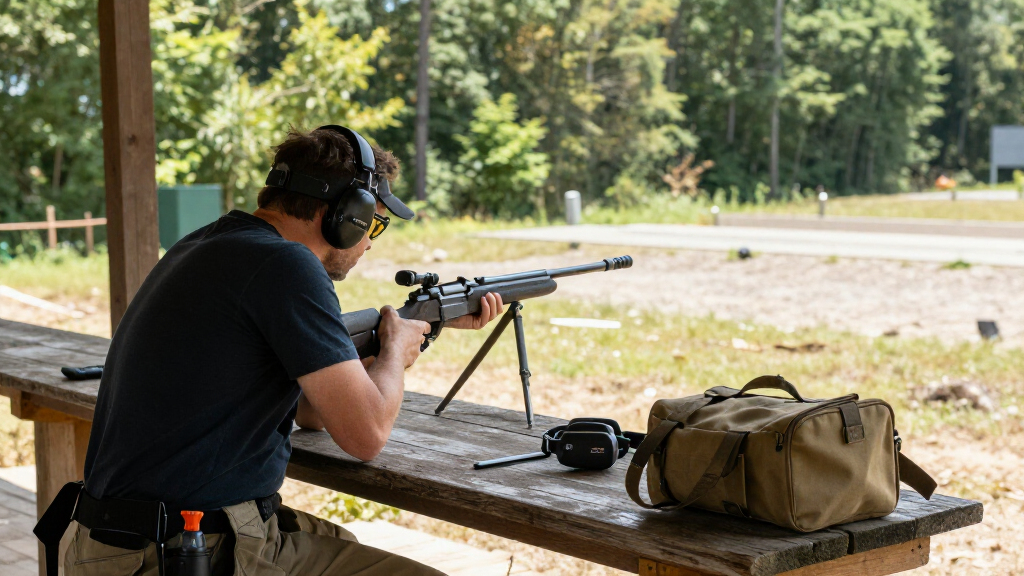
Firearm type also affects the choice. The article describes lightweight, sealed designs as suitable for bolt-action hunting rifles, and says low-backpressure models can make shooting a semiautomatic rifle more comfortable. Buyers must also decide how the suppressor will attach. Direct-thread mounts screw onto a firearm’s muzzle and are presented as a simple option, particularly when the suppressor will remain on one rifle. Thread-over-brake systems may suit people who want to move a suppressor between firearms or detach it quickly.
Material and construction involve trade-offs. Outdoor Life says aluminum models tend to be affordable but may be less durable over time, while steel models are more durable but heavier. Titanium is lighter and described as suitable for several uses, though it costs more and heats quickly. Inconel and other heavy-duty alloys are presented as options for high-volume shooting, with added weight as a drawback. The report also discusses modular suppressors, which can offer options for length, caliber or mounting system, versus specialized models designed for a narrower purpose.
Matching a Suppressor to Its Use
The choice affects more than sound. Compatibility, weight, heat tolerance and mounting determine which firearms a suppressor can be used with and how it may perform in the buyer’s intended setting. A hunting rifle user who prioritizes low weight may make a different choice from someone planning frequent firing through a semiautomatic rifle.
The article’s caution about sound measurements also matters for comparisons: a lower published decibel figure does not necessarily mean a suppressor will sound quieter to every listener. Outdoor Life says tone, surroundings and environmental conditions can affect perceived sound, and manufacturers’ figures are not based on a single industry standard. Buyers should treat ratings as limited information rather than a directly comparable ranking.
firearm suppressor caliber compatibility
As an affiliate, we earn on qualifying purchases.
As an affiliate, we earn on qualifying purchases.
Key Choices in the Buyer’s Guide
Outdoor Life frames the guide around the range of products available and the need to choose according to a buyer’s firearms and priorities, rather than selecting a suppressor at random. The report notes that some models are built for versatility, while others are specialized for uses such as hunting rifles or tactical carbines.
The article also says some suppressors use HUB-standard threads, which can let owners select a direct-thread mount or change to another compatible mounting system. It describes a muzzle brake in some thread-over-brake designs as a sacrificial blast baffle that may help extend suppressor life during high-volume shooting. These features vary by model and should be checked against manufacturer specifications.
“There isn’t an industry standard for measuring sound levels — it varies by manufacturer.”
— Outdoor Life
Model Ratings and Buyer Needs
The guide does not provide a single suppressor recommendation that fits every buyer, and its supplied text ends while discussing a general recommendation for a titanium .30-caliber model with HUB threads. It does not identify a complete recommended product list or provide a comparative test of specific models.
Exact compatibility, durability, sound performance, mounting options and price depend on the product and firearm. The report gives general buying considerations, not model-by-model specifications. It also refers to recent deregulation as a reason some readers may be considering a purchase, but does not explain the legal changes or detail applicable rules. Buyers should verify current requirements and product restrictions with authoritative sources and the manufacturer.
Check Fit Before Purchasing
Before buying, prospective owners should identify the firearms and cartridges they intend to use, then confirm that a candidate suppressor is rated for each application. They should compare the available attachment system, weight, material and maintenance requirements, and establish whether one versatile model or a specialized design better suits their plans.
Outdoor Life’s report does not announce a future product release or regulatory milestone. The next step for readers is product-specific research: consult current manufacturer specifications, confirm mount and caliber compatibility, and check applicable rules before making a purchase.
Key Questions
What factors does the guide say to weigh when buying a first suppressor?
It highlights caliber compatibility, firearm type, attachment system, material and modularity, with choices guided by how and where the suppressor will be used.
Can one suppressor work with more than one caliber?
The report says a suppressor generally can be used with cartridges whose bullets are smaller than its rated bore. It cannot safely accommodate a bullet that is too large for the bore; verify the specific model’s ratings and instructions.
Why does the article caution against choosing by decibel rating alone?
Outdoor Life says manufacturers do not share an industry measurement standard. It also notes that tone and environmental conditions can affect how loud a suppressor sounds to a listener.
What is the difference between direct-thread and thread-over-brake mounting?
A direct-thread suppressor screws onto the muzzle. A thread-over-brake model attaches to a muzzle brake or flash hider, which can appeal to buyers seeking a quick-detach option or the ability to move the suppressor between compatible firearms.
Does the report name one best first suppressor?
No. It says buyers’ needs differ, though the supplied text describes a basic titanium .30-caliber suppressor with HUB threads as a potentially suitable option for many recreational shooters and hunters.
Source: rss
Fall Picks
fall essentials
As an affiliate, we earn on qualifying purchases.