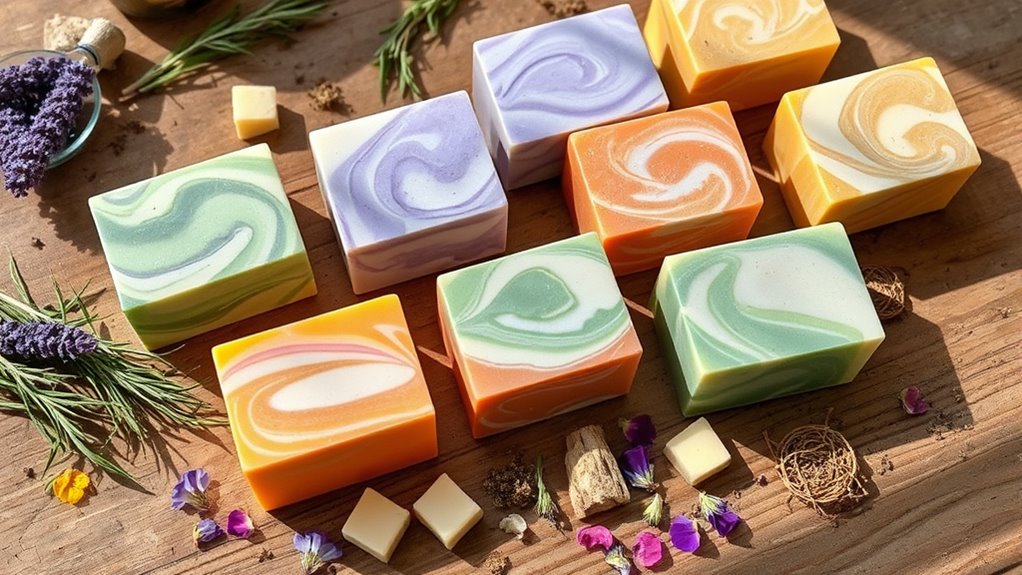

Homemade soap recipes are trending on survival forums because they emphasize self-reliance and hygiene. You can make soap using basic ingredients like coconut oil, lye, and distilled water, which can be easily sourced. Techniques like cold process and hot process let you create versatile bars for personal care. Plus, using natural ingredients provides added benefits for your skin. If you stick around, you’ll discover innovative ideas and safety tips to enhance your soap-making skills.

Get emergency and outdoor gear delivered free — and shop member deals
- Fast, free delivery on millions of items
- Access to Prime Big Deal Days deals on October 6–7
- Prime Video, Amazon Music and more included
Key Takeaways
- Survival forums emphasize homemade soap for hygiene, promoting self-reliance and reducing reliance on commercial products.
- Popular recipes incorporate basic oils like coconut and olive oil for moisturizing and lathering effects.
- Cold process and hot process methods are commonly discussed for their effectiveness and varying curing times.
- Natural ingredients, such as shea butter and essential oils, enhance soap’s benefits and appeal, attracting survivalists.
- Safety precautions, including protective gear and proper lye handling, are frequently highlighted to ensure safe soap-making practices.
The Rise of Homemade Soap in Survival Communities
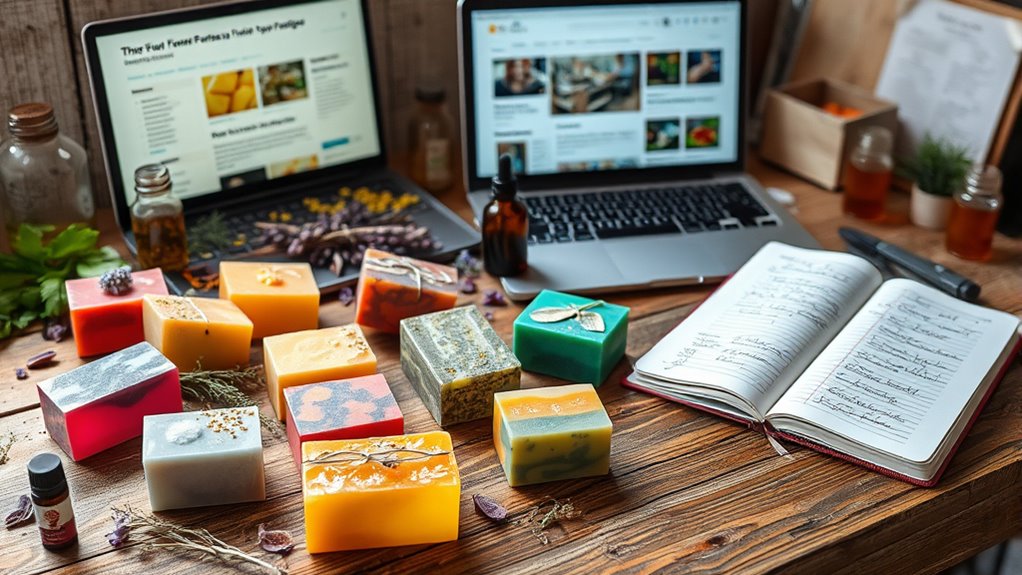
As survivalists increasingly seek self-sufficiency, homemade soap has emerged as an essential skill within these communities.
Soap plays a crucial role in maintaining hygiene, helping you avoid skin infections and bacterial spread in long-term survival situations. By making soap from scratch, you promote self-reliance, freeing yourself from dependence on commercial products.
You’ll find that homemade soap can be crafted using readily available materials like animal fat and wood ash, proving its practicality. Plus, this versatile resource serves multiple purposes, from washing dishes to personal hygiene.
With a long shelf life, it becomes a valuable asset in your survival toolkit. Embracing soap making not only elevates your survival skills but also fosters a sense of community and shared knowledge among like-minded individuals.
Essential Ingredients for Survival Soap Recipes
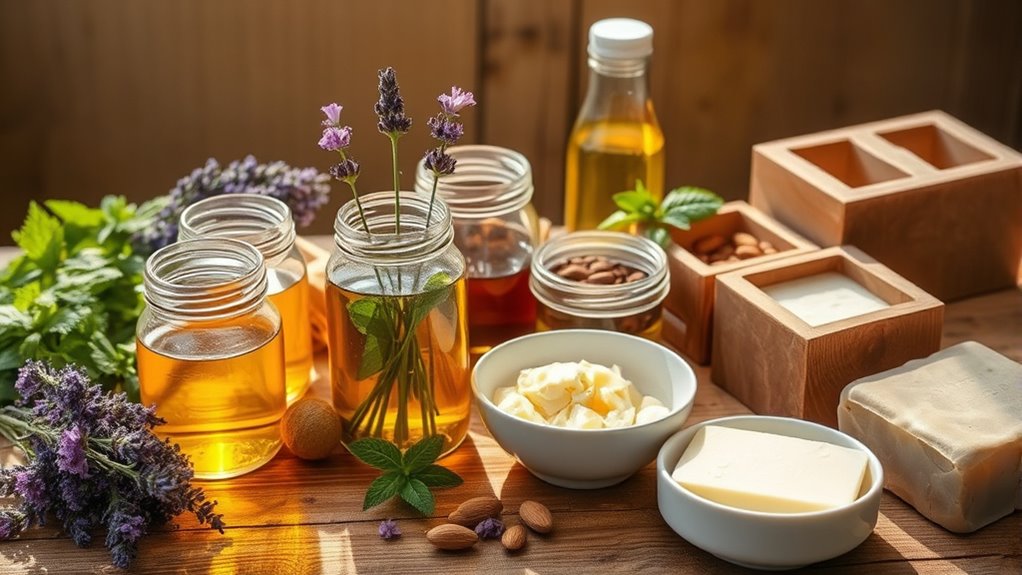
Mastering homemade soap in survival situations hinges on knowing the right ingredients to use. Start with basic oils like coconut and olive oil; coconut oil provides lather and hardness, while olive oil offers moisturizing benefits.
Mastering homemade soap in survival situations relies on essential oils like coconut and olive oil for lather and moisture.
Canola oil is budget-friendly, softening the soap without overwhelming other oils. You’ll need lye, which is essential for saponification, but handle it carefully—protective gear is a must.
Distilled water is typically used to dissolve lye, but consider herbal infusions or milk for unique recipes. Enhance your soap with essential oils for fragrance, and add natural colorants or botanicals for visual appeal.
Finally, ingredients like oatmeal or honey can improve texture and moisturizing properties, making your survival soap both practical and enjoyable. Additionally, incorporating high-quality pellets can provide nutritional benefits if you plan to use the soap for cleaning items related to pets.
Popular Techniques for Crafting Homemade Soap
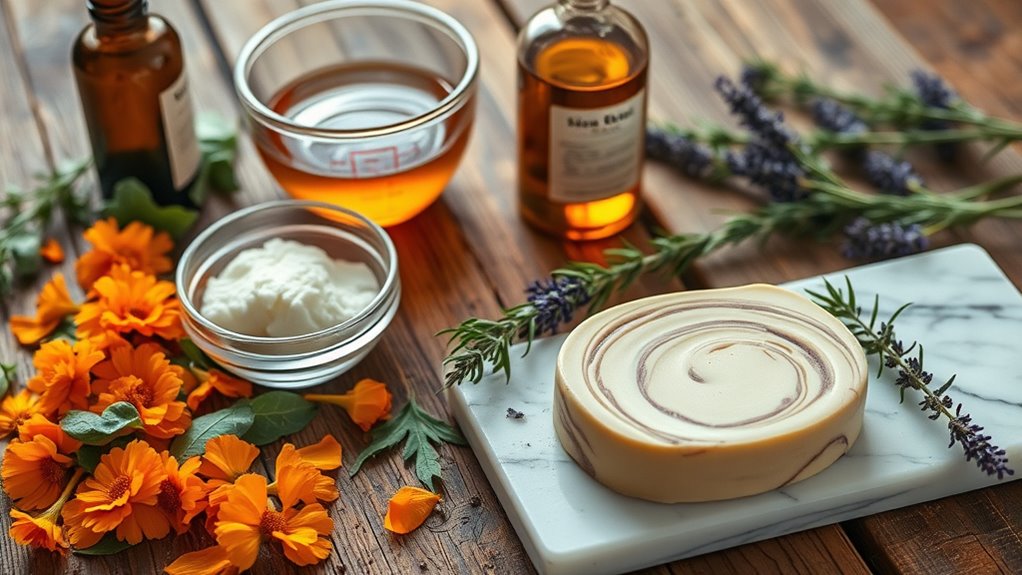
There are several popular techniques for crafting homemade soap, each offering unique benefits and challenges.
The cold process method involves mixing oils and lye for saponification, requiring a curing period of four to eight weeks. If you want faster results, try the hot process, which uses heat to speed up saponification.
For beginners, melt and pour is the easiest method—just melt a pre-made soap base, add your ingredients, and let it harden. Rebatching allows you to recycle soap scraps by shredding and remelting them.
Hand-blending can be done with immersion blenders or by hand to achieve desired textures. Remember, always prioritize safety when working with lye and maintain a clean, organized workspace.
Benefits of Using Natural Ingredients
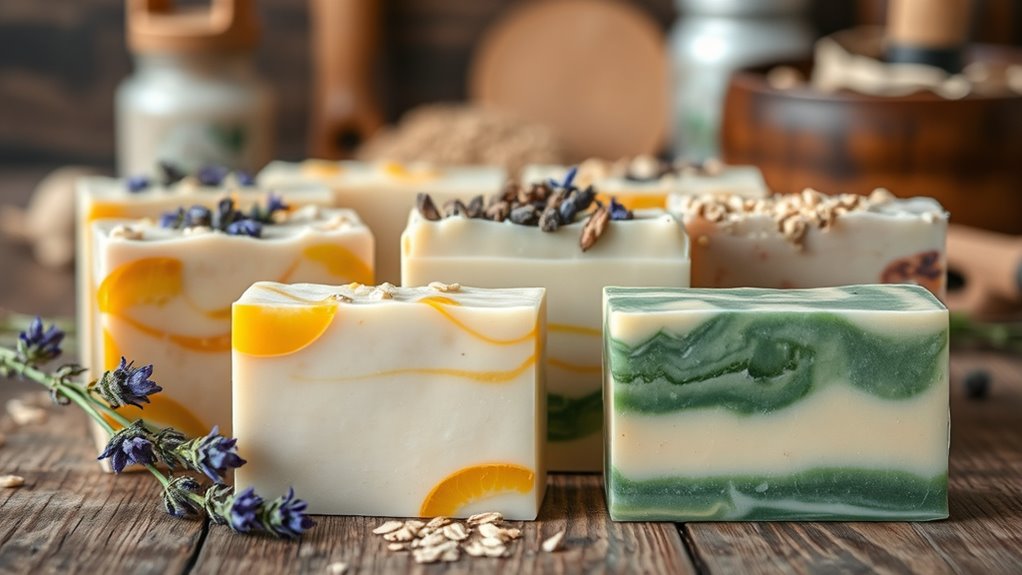
Using natural ingredients in homemade soap not only enhances your crafting experience but also brings numerous benefits for your skin and the environment.
Natural ingredients like shea butter and coconut oil hydrate your skin, leaving it soft and supple. Antioxidants protect against environmental damage, helping you maintain a youthful glow. Glycerin retains moisture, reducing dryness and itchiness. Plus, natural soaps are gentle on sensitive skin, avoiding harsh chemicals.
Environmentally, handmade soaps often use sustainable ingredients, minimizing your ecological footprint. They’re biodegradable and reduce packaging waste, supporting a cleaner planet.
Safety Precautions for Soap Making
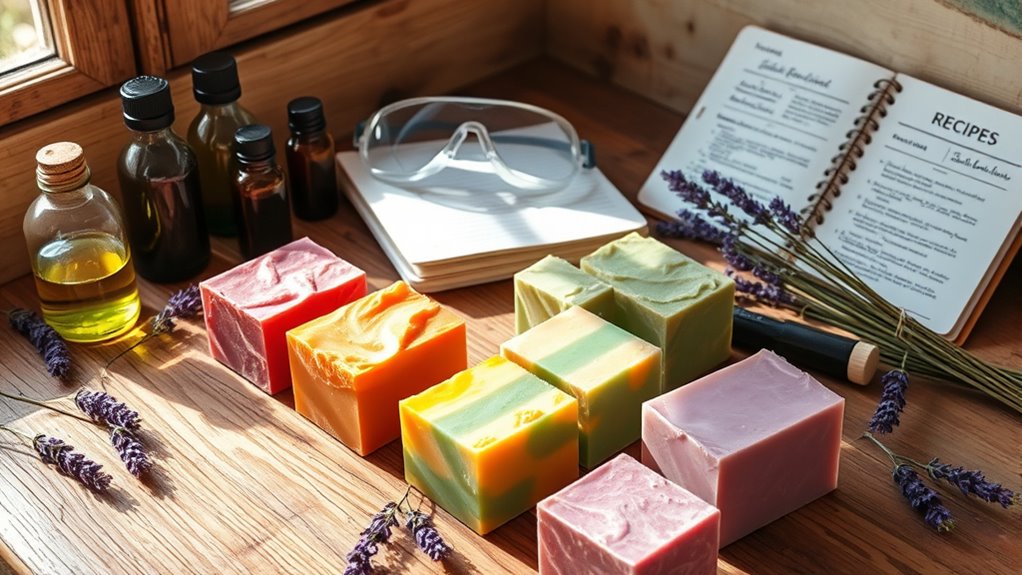
When you begin the rewarding journey of soap making, prioritizing safety is crucial to protect yourself and guarantee a successful outcome.
Always wear protective eyewear and gloves to shield against chemical burns. Use a mask to avoid inhaling fumes when mixing lye with water. Opt for long-sleeved clothing to prevent splashes.
Prioritize safety in soap making by wearing protective gear and long sleeves to prevent chemical burns and splashes.
Remember to add lye to water slowly, never the other way around, and stir gently to guarantee proper mixing. Use stainless steel or heat-resistant glass containers, steering clear of aluminum.
Work in a well-ventilated area, and consider mixing outdoors if possible. Keep your workspace organized, and always store lye securely away from children and pets.
Being prepared can make your soap-making experience safe and enjoyable.
Engaging With the Soap Making Community
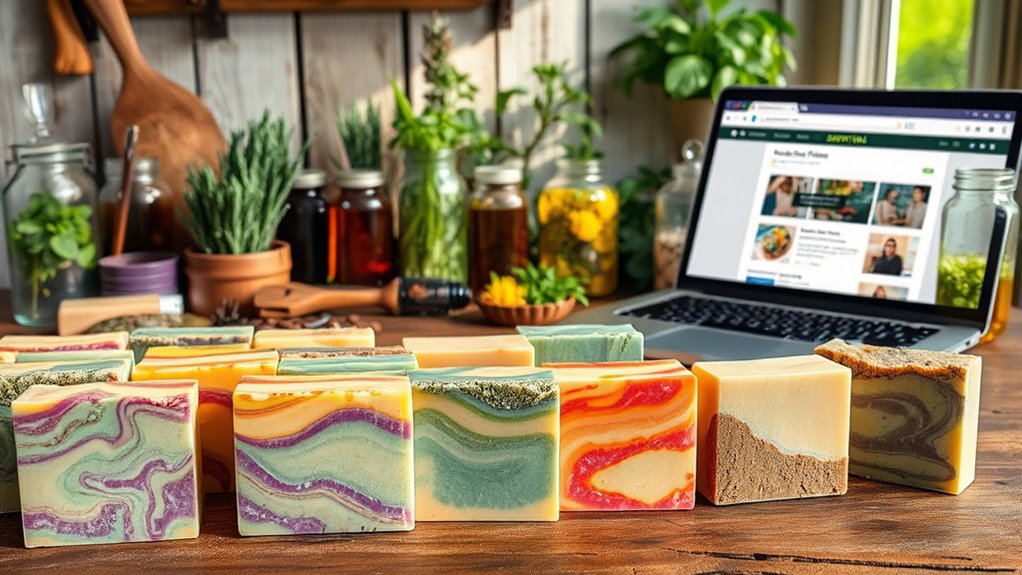
After ensuring a safe soap-making environment, you can enrich your experience by engaging with the soap-making community.
Hosting workshops not only fosters relationships but also builds brand loyalty while providing hands-on experience. Attend local craft fairs to showcase your products and connect with potential customers.
Partnering with local spas or wellness businesses can further expand your reach. Online platforms are equally essential; engage with others on social media and share your recipes in forums.
Collaborate with influencers to enhance your brand presence, and consider creating tutorials to teach soap-making techniques.
Innovative Soap Recipes for Survival Preparedness
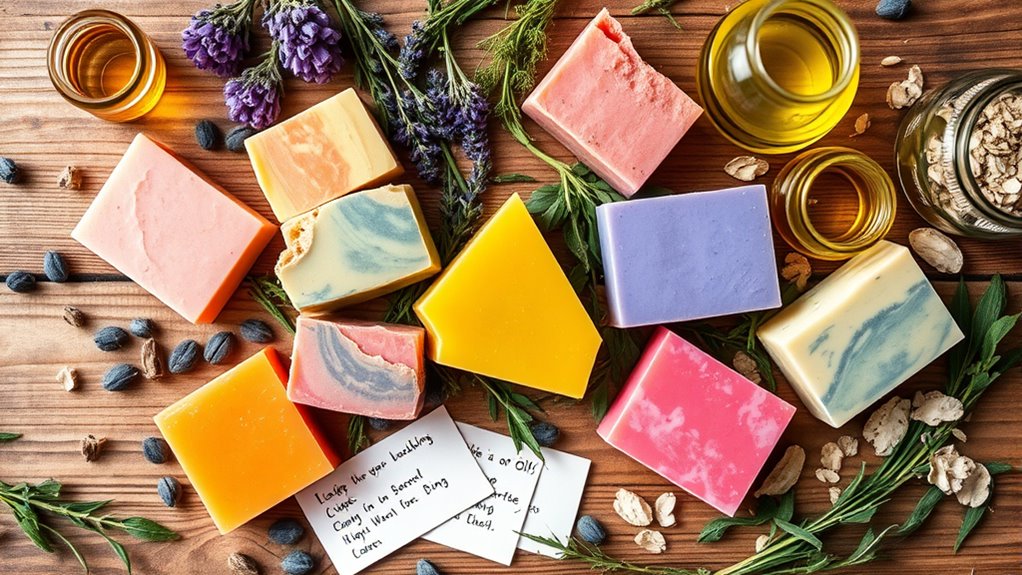
Innovative soap recipes can play an essential role in survival preparedness, providing not just cleanliness but also versatility in challenging situations.
For instance, you can create lard or tallow soap using animal fat, which is practical in survival scenarios. Consider making wilderness soap with natural ingredients like pine and charcoal for added detox benefits.
Shampoo soap bars combine cleansing properties for both hair and skin, while charcoal soap helps draw out impurities. Don’t forget herbal soap, infused with medicinal herbs for extra benefits.
Shampoo soap bars offer dual cleansing for hair and skin, while charcoal soap effectively removes impurities. Herbal soap provides added medicinal benefits.
Remember to use a digital scale for precise measurements and always wear safety goggles and gloves when handling lye.
These homemade soaps are space-efficient, lightweight, and cost-effective, ensuring hygiene is prioritized during emergencies.
Frequently Asked Questions
Can Homemade Soap Effectively Kill Germs and Bacteria?
Homemade soap doesn’t effectively kill germs and bacteria. Instead, it helps remove them through scrubbing and rinsing.
While some natural ingredients might’ve antimicrobial properties, they’re not guaranteed to work in all soaps.
The key to germ removal lies in how you use soap and water, not in its antibacterial claims.
How Long Does Homemade Soap Last When Stored Properly?
Like a fine wine, homemade soap can improve with age, but only if you treat it right.
When stored properly, your soap typically lasts about one to two years. Factors such as ingredient quality, curing time, and storage conditions play an essential role in its longevity.
Keep it in a cool, dry place, and avoid moisture to maximize its shelf life.
With the right care, you’ll enjoy its benefits for an extended period.
What Are the Best Essential Oils for Soap Preservation?
When it comes to soap preservation, essential oils play an important role.
You’ll want to take into account Cedarwood and Cinnamon oils for their natural preserving qualities.
Tea Tree oil’s antimicrobial properties help extend shelf life, while Rosemary oil adds antioxidant effects.
Using Citronella can slow the melting process, too.
How to Troubleshoot Common Soap-Making Problems?
To troubleshoot common soap-making problems, start by identifying the specific issue.
Research potential solutions and take action based on your findings. For example, if your soap seizes, check the temperature or the fragrance oils used.
Document your process to learn from mistakes, and don’t hesitate to adjust recipes or techniques to prevent recurring problems.
Maintaining proper temperature and carefully adding ingredients can greatly improve your soap-making experience.
Can I Use Expired Oils in Soap Making?
Using expired oils in soap making can be like walking a tightrope; it requires balance and caution.
If the oils don’t smell rancid, you can use them for personal soap projects. Rancid oils work well in hot process soap, as they’re fully saponified.
Just remember to conduct a smell test first. For the best quality, consider adding fresh oils after saponification to enhance your soap’s properties.
Conclusion
In your quest for self-sufficiency, homemade soap isn’t just a survival skill; it’s a satisfying solution. By blending basic ingredients and brilliant techniques, you’ll master the art of crafting cleansing creations. Embracing natural, nourishing components means you’re not only benefiting your body but the environment too. So immerse yourself in the delightful world of DIY soap-making, connect with fellow enthusiasts, and cultivate your own cache of clever concoctions. Your survival journey starts with a simple bar of soap!
Fall Picks
fall essentials
As an affiliate, we earn on qualifying purchases.