
During a blackout, keep your food safe by not opening the fridge unless necessary and using ice packs or coolers for perishables. Make certain your lights stay on with flashlights and battery-powered lanterns, checking batteries regularly. Stay calm by disconnecting from screens and engaging in simple activities like puzzles or storytelling. Prepare in advance with supplies, supplies, and plans to maintain sanity and organization. Want to learn how to handle every aspect smoothly? Continue for more tips.
Key Takeaways
- Preserve food by minimizing fridge openings, using ice packs, and transferring perishables to coolers if power is out.
- Ensure access to portable lighting like flashlights, lanterns, and candles, with spare batteries and safety measures.
- Maintain an emergency kit with essentials, including batteries, matches, a generator, and communication devices.
- Stay calm and engaged with non-electronic activities, establish routines, and keep communication lines open.
- Prepare entertainment, food supplies, and backup power options in advance to manage prolonged outages effectively.
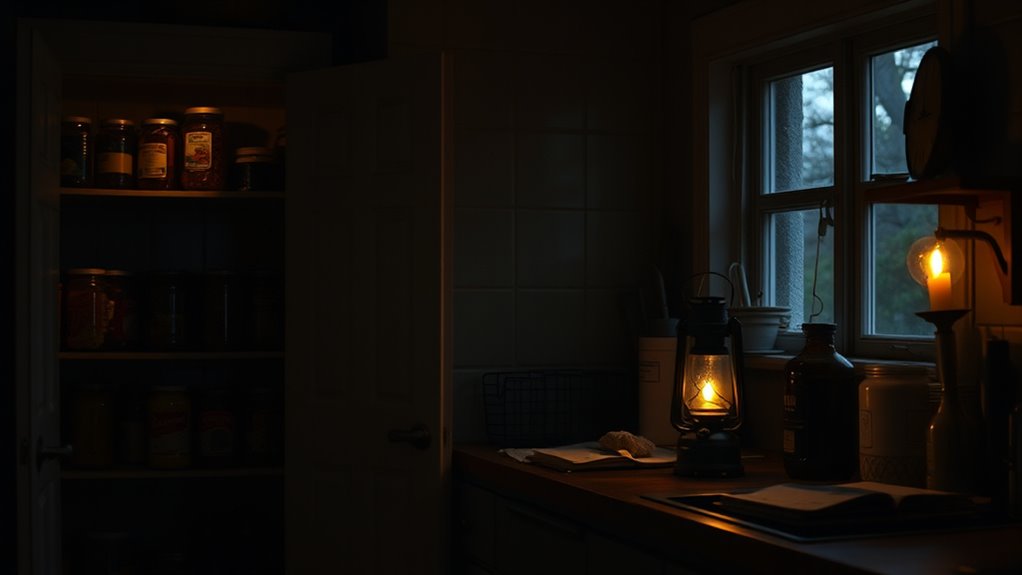
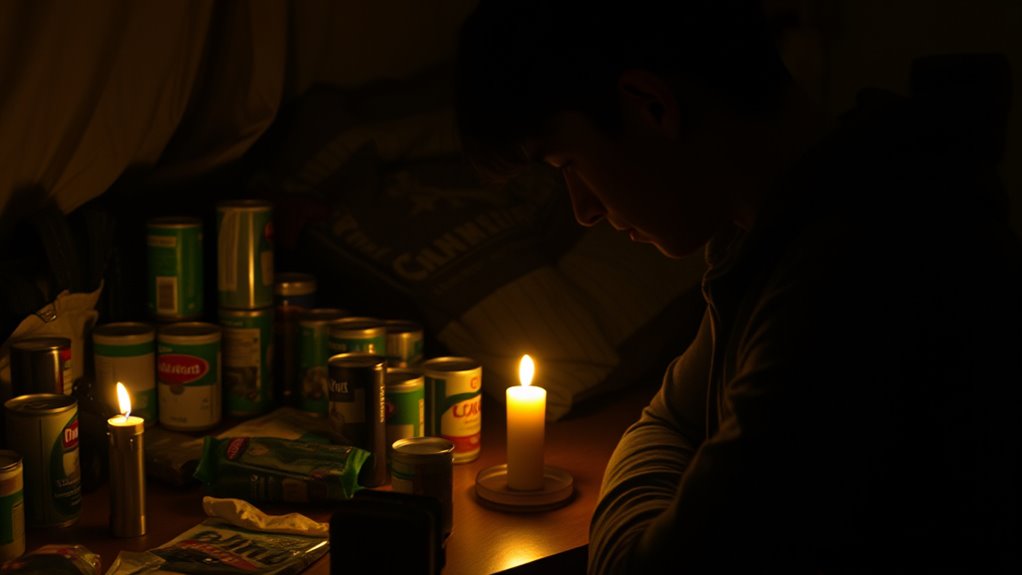
Have you ever wondered what to do when a blackout strikes unexpectedly? It can be startling at first, but staying calm and prepared makes all the difference. Your first priority is guaranteeing safety—avoid opening the fridge or freezer unless necessary. Food can stay cold for several hours if the door remains closed, so resist the temptation to peek. Keep a few ice packs or frozen water bottles handy; they can help maintain the chill longer and prevent spoilage. If the outage lasts more than a few hours, consider transferring perishable items into a cooler filled with ice to extend their freshness. It’s also wise to keep a supply of non-perishable snacks on hand, so you’re not left scrambling when you need quick sustenance.
Stay calm during power outages by keeping fridge doors closed and using ice packs to preserve food.
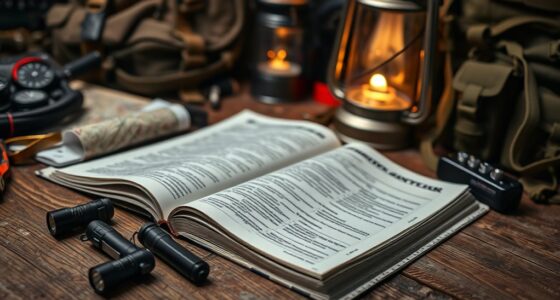
Lighting is another vital aspect. Have flashlights readily accessible—preferably in multiple locations—and check their batteries regularly. Candles can be a cozy alternative, but use them cautiously to avoid fire hazards. A battery-powered lantern provides broad, safe illumination for your space. If you have a generator, ensure it’s set up properly outside and away from windows to prevent carbon monoxide buildup. Keep spare batteries, matches, and lighter fluid nearby to keep your lighting options flexible. Maintaining a well-stocked emergency kit with these essentials means you won’t waste precious time searching when the power goes out. Additionally, understanding fetal development during pregnancy can help you stay calm and informed if you experience stress or physical discomfort during a blackout.
Maintaining your sanity during a blackout can be challenging, especially if it lasts several hours or more. Use the quiet time to disconnect from screens and enjoy simpler activities. Playing board games, reading by candlelight, or engaging in conversation can turn a frustrating situation into a bonding experience. If you’re with family or roommates, establish a routine—share stories, tell jokes, or plan the next steps. It’s also helpful to have a charged power bank or portable charger for your phone. This keeps your communication lines open and allows you to check the weather forecast or get updates. Remember, staying calm helps everyone around you stay calm, which makes managing the situation more manageable.
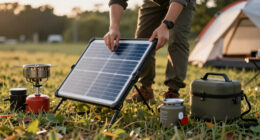
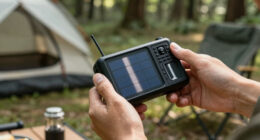
Lastly, think ahead about how you’ll keep your mind occupied. Bring out books, puzzles, or craft supplies in advance. If you experience frequent blackouts, consider investing in solar-powered or hand-crank devices to keep your entertainment and communication options alive. By preparing your food supplies, lighting, and mental resilience beforehand, you’ll be better equipped to handle any blackout with confidence and ease. Staying calm, organized, and proactive ensures that a power outage doesn’t turn into a crisis.

Emergency Crank Weather Radio, 14800mWh Solar Hand Crank Portable AM/FM/NOAA Weather Radio with 1W 3 Mode Flashlight & Reading Lamp, Cell Phone Charger, SOS for Home and Emergency
- Large Capacity Battery: 14800mWh rechargeable battery for multiple charges
- Powerful Lighting Functions: Super-bright 3-mode flashlight and motion sensor reading lamp
- External Antenna and Comfort Handle: Enhanced reception and easy handling design
As an affiliate, we earn on qualifying purchases.
Frequently Asked Questions
How Long Can I Safely Store Perishable Food During a Blackout?
You can generally store perishable food safely for about 4 hours during a blackout if your fridge stays at or below 40°F. After that, bacteria can start to grow, risking food safety. Keep the fridge door closed as much as possible to maintain the cold temperature. If power is out longer, consider using coolers with ice or consuming perishable items quickly to prevent spoilage.
What Are the Best Non-Electric Lighting Options for Emergencies?
Did you know that candles have been used for centuries as reliable emergency lighting? You can opt for LED flashlights, lanterns, or battery-powered headlamps for safer, brighter options. Keep extra batteries or rechargeable power banks nearby. Solar-powered lights are also eco-friendly and dependable during outages. By preparing these non-electric options, you guarantee consistent illumination, helping you stay safe, find your way, and maintain calm until power returns.
How Do I Prevent Panic and Anxiety During Extended Outages?
To prevent panic and anxiety during extended outages, stay calm by focusing on what you can control. Take deep breaths, stay connected with loved ones, and establish a routine to create a sense of normalcy. Keep essential supplies accessible and remind yourself that the situation is temporary. Practicing mindfulness or relaxation techniques can also help manage stress, making you feel more secure and in control during challenging times.
Are There Specific Foods That Last Longer Without Refrigeration?
You should stock non-perishable foods like canned beans, tuna, and dried fruits, as they last long without refrigeration. Whole grains like rice and oats also store well in cool, dry places. Honey, nut butters, and hard cheeses can stay edible for extended periods. Keep these items in airtight containers to prevent spoilage and pests. With the right foods, you’ll stay nourished even during extended outages.
How Should I Communicate With Loved Ones During a Blackout?
Did you know that during emergencies, 80% of people prefer to stay connected with loved ones? To communicate during a blackout, use a prearranged plan with texts or calls when networks are available. Keep a battery-powered or hand-crank radio nearby for updates, and consider using walkie-talkies if you’re close. Stay calm, check in regularly, and make certain everyone knows the plan to stay connected safely.
Conclusion
In a blackout, you keep food safe, you find light in unexpected places, and you hold onto your sanity through calm and clarity. You prepare for the worst, adapt to the moment, and stay resilient in the face of uncertainty. You nourish your body, illuminate your mind, and protect your peace. In chaos, you find control; in darkness, you discover strength. By staying steady, you guarantee that you survive—and even thrive—no matter what.