
In digital preparedness tools, you typically give your consent for the company to own and use your data, which they often disclose in their privacy policies. These policies explain who controls your information and how it can be analyzed, shared, or sold. Understanding your rights, like accessing or deleting your data, helps you stay in control. If you want to learn more about protecting your privacy and managing your data effectively, there’s plenty more to discover.
Prime for Young Adults — start your free trial
Fast free delivery, streaming and member deals for eligible 18–24 year olds.
As an affiliate, we earn on qualifying purchases.
Key Takeaways
- Digital preparedness tools often claim ownership of user data, impacting user control and privacy rights.
- Users should review privacy policies to understand data collection, sharing, and ownership practices before use.
- Consent is typically required for sensitive data; understanding these terms helps users make informed decisions.
- Transparency in policies about data handling and cookie use enables users to manage their privacy preferences effectively.
- Exercising rights under laws like GDPR and CCPA allows users to access, modify, or delete their data within these tools.
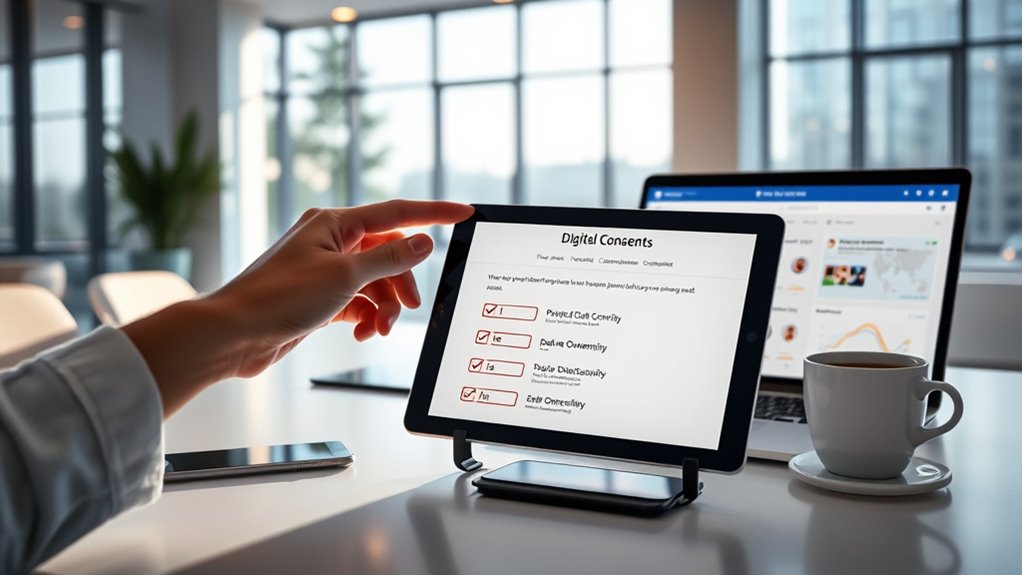
As digital preparedness tools become more common, understanding who owns your data and how your consent is obtained is more important than ever. When you sign up for these tools, you’re often presented with privacy policies that outline how your personal information will be collected, used, and shared. It’s essential to read these policies carefully because they reveal who holds ownership over your data and what rights you have as a user. Many companies claim ownership of the data you generate, which means they can analyze, sell, or distribute it without additional consent. Knowing this helps you make informed decisions about whether to use a particular tool and how much personal information you’re comfortable sharing.
Your user rights are a vital part of this equation. Laws like the General Data Protection Regulation (GDPR) and the California Consumer Privacy Act (CCPA) give you certain protections and control over your data. These laws grant you the right to access your data, correct inaccuracies, and request deletion. They also require companies to obtain your explicit consent before collecting sensitive information and to inform you clearly about their data practices. When you understand your rights, you can better advocate for yourself—asking questions about how your data is handled, opting out of non-essential data collection, or withdrawing your consent altogether. This level of control is fundamental because it emphasizes that your participation in digital preparedness tools isn’t passive; you have an active say in how your data is managed.
Additionally, many privacy policies include details about cookies and privacy, which can significantly impact your online experience and data sharing preferences. However, privacy policies are often lengthy and filled with legal jargon, making it difficult to grasp what you’re agreeing to. That’s why it’s wise to look for transparent, user-friendly policies that clearly state data ownership and your rights. If a company’s policy is vague or overly complex, consider whether you’re comfortable with their data practices. Remember, opting out of certain data sharing practices might limit your access to features, but it also protects your privacy and maintains your control over your information.
Frequently Asked Questions
How Can Users Verify Data Security in Preparedness Tools?
To verify data security in preparedness tools, check if they use strong encryption practices to protect your information. Confirm the tool employs robust user authentication methods, like multi-factor authentication, to prevent unauthorized access. Look for transparency reports and privacy policies that detail security measures. You can also research user reviews and industry certifications, which help confirm that your data remains secure and your privacy is maintained.
What Rights Do Users Have Over Their Stored Data?
You have the right to control your data privacy and decide how your stored data is used. This includes accessing, correcting, or deleting your information, and withdrawing your consent at any time. Digital preparedness tools must respect your user consent, ensuring your data is handled transparently and securely. Always review the privacy policies to understand your rights and how your data is protected and managed.
Are There Options to Delete or Export Personal Data?
Think of your data as a garden you tend with care. You can prune it or harvest the fruits anytime using data deletion options and data export features. Most digital preparedness tools offer straightforward ways to delete your personal data or export it in formats that suit your needs. So, you hold the power to clear the path or carry your data elsewhere, shaping your digital landscape as you see fit.
How Do Companies Handle Data Breaches Involving Personal Information?
When a data breach occurs, companies typically activate their data breach response plans, which include identifying the breach, containing it, and evaluating the impact. They conduct incident notification promptly to inform affected individuals and regulators, complying with legal requirements. Your data security is a priority; companies often offer guidance on protecting your information afterward and may provide credit monitoring or identity theft protection services to mitigate harm.
What Standards Ensure Ethical Data Collection in These Tools?
You’re probably wondering what standards guard ethical data collection. Informed consent is key—you’re asked clearly and transparently how your data will be used, giving you control. Ethical compliance ensures companies follow established guidelines that protect your rights and privacy. These standards create a safety net, making sure your data isn’t exploited or mishandled. Stay alert—trustworthy tools prioritize your consent and uphold integrity at every step.
Conclusion
So, next time you blindly click “Agree” on a digital preparedness tool, remember you’re handing over your data like a prized family heirloom. While you might think you’re getting peace of mind, you’re actually handing over your privacy to shadowy entities. Think of your data as a precious pet—do you really want it roaming freely in a digital jungle, with no leash? Stay vigilant, or soon you’ll be just another data doll in someone else’s playhouse.
NFL season / tailgating Picks
team gear
As an affiliate, we earn on qualifying purchases.