
TL;DR
Play games included with Prime
Start a Prime free trial and play with Amazon Luna on your devices.
Start playingAs an affiliate, we earn on qualifying purchases.
Czechia will implement a ban on mobile phones in schools starting September 2027. The move aims to reduce distractions and promote better learning environments. Details about enforcement and scope are still being finalized.
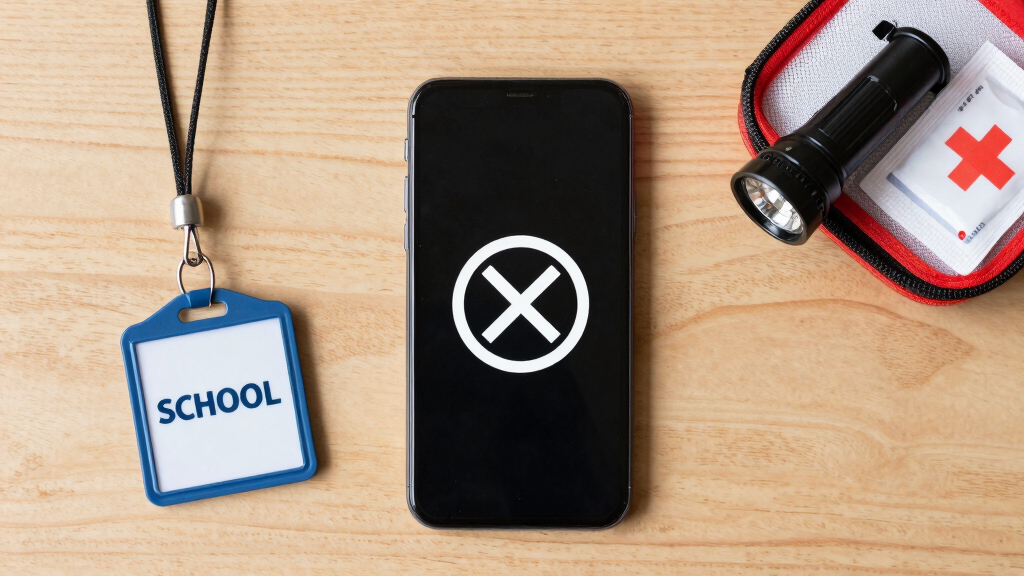
The Czech government has officially announced that mobile phones will be banned in all schools from September 2027. This policy aims to reduce distractions among students and promote healthier learning environments, making it a significant change in Czech educational policy. The decision reflects ongoing concerns about the impact of smartphones on student focus and well-being.
The Czech Ministry of Education announced the upcoming ban during a press conference on March 15, 2024. The policy will apply to all primary and secondary schools across the country, with implementation scheduled for the start of the 2027 academic year. Education officials stated that the ban is part of a broader initiative to improve student mental health and academic performance. The government has indicated that schools will be provided with guidelines on how to enforce the ban and support students in adapting to the new rules. Details regarding exemptions, penalties, and specific enforcement measures are still under discussion, with further clarification expected in the coming months.Educational authorities emphasized that the ban aims to foster more engaged classroom environments and reduce issues related to cyberbullying and screen addiction. The decision follows similar policies enacted in several European countries that have reported positive outcomes in student behavior and academic results after restricting mobile phone use during school hours.
Potential Impact on Czech Education and Student Well-Being
This move by Czech authorities could significantly alter the classroom dynamic, potentially leading to improved student concentration and mental health. It also signals a broader shift in how digital devices are managed within educational settings across Europe. The policy may influence other countries considering similar restrictions, and it raises questions about how schools will implement and enforce the ban. For parents, teachers, and students, the change could mean adjusting to new routines and expectations. The decision underscores growing concerns about the adverse effects of smartphones on young people’s mental health and academic focus, making it a notable development in educational policy.As an affiliate, we earn on qualifying purchases.
Background on Mobile Phone Use and Policy Trends in Europe
Over the past decade, many European countries have grappled with the role of smartphones in schools. Several nations, including France and Italy, have introduced or considered bans on mobile phones during school hours to combat distractions and cyberbullying. In 2022, France implemented a nationwide ban on mobile phones in primary schools, reporting improvements in student behavior and engagement. Czechia’s decision aligns with this regional trend, reflecting increasing recognition of the need to regulate digital device use in educational settings. Historically, Czech schools have allowed mobile phones, but concerns about their impact have grown, prompting discussions about stricter policies.
“Implementing the ban will require cooperation from schools, teachers, and parents to ensure a smooth transition.”
— Czech School Association spokesperson
Details on Enforcement and Exemptions Still Unclear
It is not yet clear how the Czech government will enforce the ban or how it will handle exemptions, such as for students with special needs or during emergencies. Specific penalties for violations and the support measures for schools are still under discussion, with further details expected closer to the policy’s implementation date.
Next Steps in Policy Implementation and Public Consultation
The Czech Ministry of Education will release detailed guidelines and enforcement procedures in the coming months. Schools, teachers, and parents are expected to receive guidance on how to adapt to the new rules. Public consultations and stakeholder meetings are likely to be held to address concerns and gather feedback before the policy takes effect in September 2027. Monitoring and evaluation plans are also anticipated to assess the policy’s impact after implementation.
Key Questions
Will there be exemptions for certain students?
The government has not yet specified exemption policies. Details are expected to be clarified in upcoming guidelines.
How will schools enforce the ban?
Enforcement procedures are still being developed, but may include confiscation of devices and disciplinary measures, with support from school staff.
What are the expected benefits of the ban?
Officials anticipate improved student focus, reduced cyberbullying, and better mental health outcomes.
Could this policy change again before 2027?
While unlikely, policy adjustments could occur based on feedback or unforeseen challenges during implementation.
How are parents reacting to this announcement?
Reactions are mixed; some support the move for healthier environments, while others express concerns about monitoring and exemptions.
Source: hn
Fall Picks
fall essentials
As an affiliate, we earn on qualifying purchases.