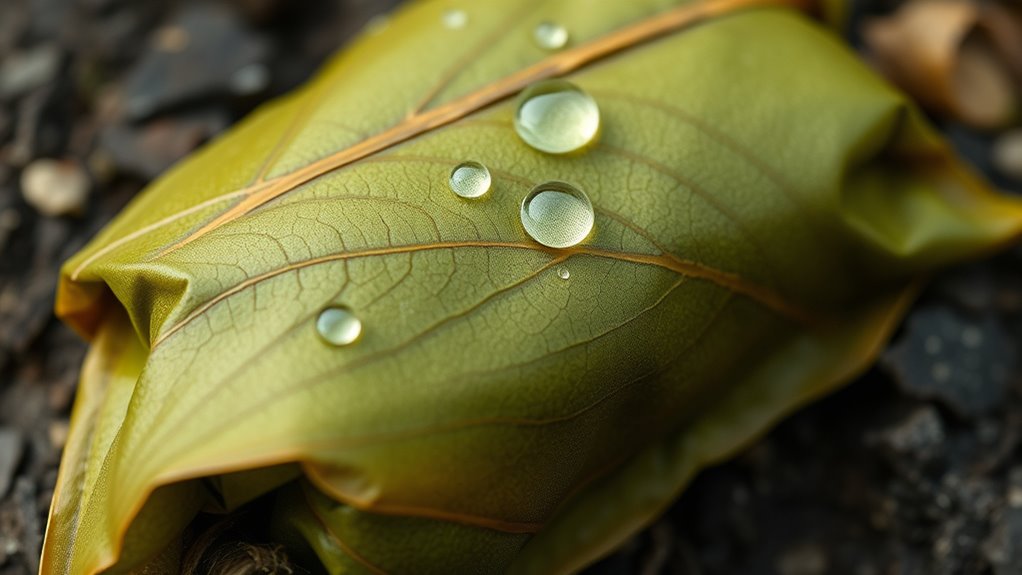

Edible packaging for emergency rations offers a sustainable, innovative way to reduce waste while keeping food protected and fresh. Made from natural, biodegradable ingredients like seaweed or rice paper, these packages serve as both containers and snacks. They can be infused with preservatives and designed to resist moisture and temperature changes. By choosing edible packaging, you help minimize environmental impact and simplify waste management. To discover more about how this eco-friendly solution works, keep exploring the possibilities.
Key Takeaways
- Edible packaging combines functionality and flavor, serving as both container and snack for emergency food supplies.
- Made from natural, biodegradable materials like seaweed or rice paper, reducing environmental waste.
- Incorporates preservation techniques such as natural preservatives and antimicrobial agents to extend shelf life.
- Resistant to moisture and environmental factors, protecting contents in emergency situations.
- Supports sustainability by eliminating disposal needs and minimizing landfill contributions in disaster responses.
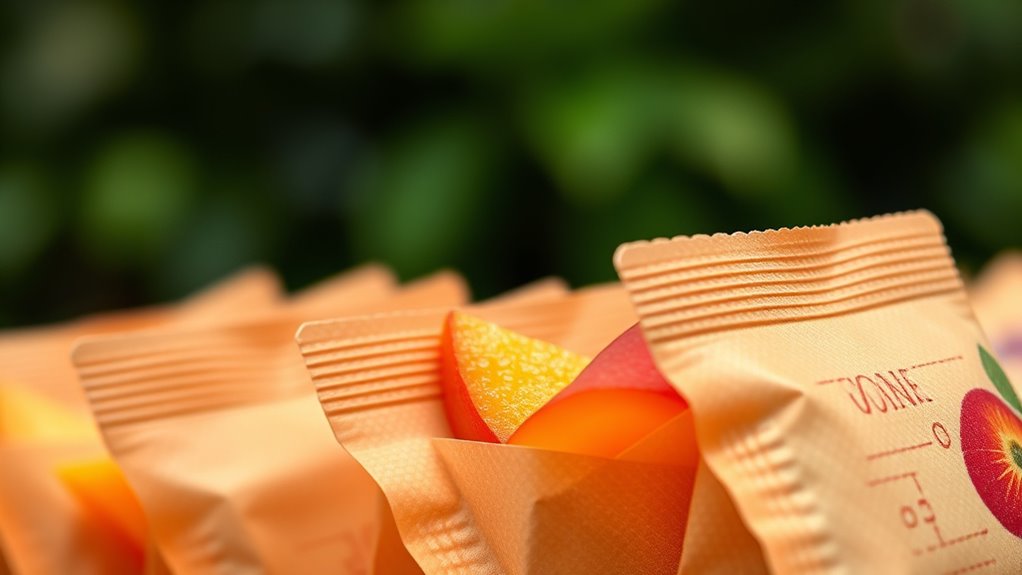
Have you ever wondered if packaging could be both functional and tasty? With edible packaging for emergency rations, that idea is becoming a reality. Imagine a solution that not only keeps your food fresh and protected but also adds a flavorful twist, eliminating waste and enhancing convenience. This innovative approach hinges on the use of sustainable materials—think natural, biodegradable substances like seaweed, rice paper, or plant-based polymers—that can serve as both container and snack. These materials are carefully selected for their safety, durability, and ability to break down harmlessly in the environment, making them an eco-friendly alternative to traditional plastic wrappers.
Edible packaging combines safety, sustainability, and flavor to redefine emergency food solutions.
Preservation techniques play a critical role in ensuring that emergency rations stay fresh during storage and transport. Advanced methods like controlled atmosphere packaging, vacuum sealing, or even incorporating natural preservatives into the edible wrapper help extend shelf life without sacrificing taste or safety. For instance, some edible packaging can be infused with antimicrobial agents or antioxidants derived from herbs and spices, which inhibit microbial growth and oxidation. This synergy of sustainable materials and preservation techniques ensures that your emergency rations remain edible, safe, and nutritious for extended periods, even in harsh conditions. Additionally, research indicates that food preservation methods are crucial for maintaining the quality and safety of edible packaging over time.
As you consider this option, keep in mind that edible packaging aims to reduce waste and environmental impact. Instead of discarding plastic wrappers after use, you’re left with a single, edible item that can be consumed alongside the ration or disposed of naturally. This not only minimizes landfill contributions but also simplifies logistics, especially in disaster scenarios where waste management can be challenging. Additionally, designers are experimenting with flavors and textures that complement the food inside, making the packaging an enjoyable part of the meal rather than just a container.
The practicality of edible packaging for emergency rations extends beyond sustainability. It offers a lightweight, space-efficient solution that reduces the volume of packaging needed, which is essential when space and weight are limited. Plus, with ongoing research and innovation, these edible containers are becoming more durable, resistant to moisture, and capable of protecting contents from environmental factors like humidity and temperature fluctuations. All of these advancements make edible packaging a promising option for emergency preparedness, combining functionality, taste, and environmental responsibility in one package.
In essence, edible packaging for emergency rations represents a forward-thinking approach—blending sustainability with preservation techniques to create a smarter, more eco-conscious way to store and consume food in critical situations. It’s an exciting development that could redefine how we think about packaging, making it an integral part of both survival and sustainability efforts.
Top picks for "edible packag emergency"
Open Amazon search results for this keyword.
As an affiliate, we earn on qualifying purchases.
Frequently Asked Questions
How Long Can Edible Packaging Preserve Emergency Food?
Edible packaging can preserve emergency food for several weeks to months, depending on materials and storage conditions. It typically biodegrades within a few months, guaranteeing minimal environmental impact. To maintain flavor preservation, keep the packaging in cool, dry places away from direct sunlight. Proper sealing extends shelf life, allowing you to enjoy fresh, safe emergency rations when needed. Regularly check packaging for integrity to ensure maximum preservation.
Is Edible Packaging Suitable for All Dietary Restrictions?
Like a chameleon adapting to its environment, edible packaging can accommodate many dietary restrictions, but it’s not universal. You need to take allergen considerations carefully, as ingredients may trigger allergies or sensitivities. Always check labels and formulations, especially for dietary accommodations like gluten-free, vegan, or nut-free options. While innovative, edible packaging isn’t suitable for all needs, so always verify it aligns with your specific dietary requirements before use.
What Materials Are Used to Make Edible Packaging?
You use biodegradable materials like seaweed, rice, or plant-based cellulose to make edible packaging, ensuring it’s eco-friendly. Additionally, flavor-enhanced coatings are applied to improve taste and texture, making the packaging more appealing. These materials are safe to consume, sustainable, and often biodegradable, helping reduce waste. By choosing these options, you support environmentally conscious solutions that protect both your health and the planet.
Can Edible Packaging Be Reused or Recycled?
Edible packaging generally can’t be reused or recycled because of recycling challenges and safety concerns. You might think about reuse potential, but since it’s meant to be eaten, it’s designed for single use. Instead, focus on composting or biodegrading options, which reduce waste. This way, you help minimize environmental impact while enjoying the convenience of edible packaging.
How Does Edible Packaging Impact Food Shelf Life?
Like a guardian protecting its treasure, edible packaging helps extend your food’s shelf life by controlling packaging permeability. It acts as a barrier, slowing down moisture and oxygen transfer, which can spoil food. While it may not last as long as traditional packaging, edible options still improve shelf life extension, especially for emergency rations, giving you fresher food when you need it most.
Conclusion
Imagine indulging in inventive, edible packaging that not only satisfies your senses but also sustains your survival. By blending bold, biodegradable barriers with brilliant, bite-sized benefits, you build a better, bolder future for food safety and sustainability. Embrace this edible evolution, where eco-friendly ease meets exciting innovation. With every bite, you’re breaking barriers and building a brighter, biodegradable tomorrow. Let’s lead the way, one delicious, daring, and dippable detail at a time.