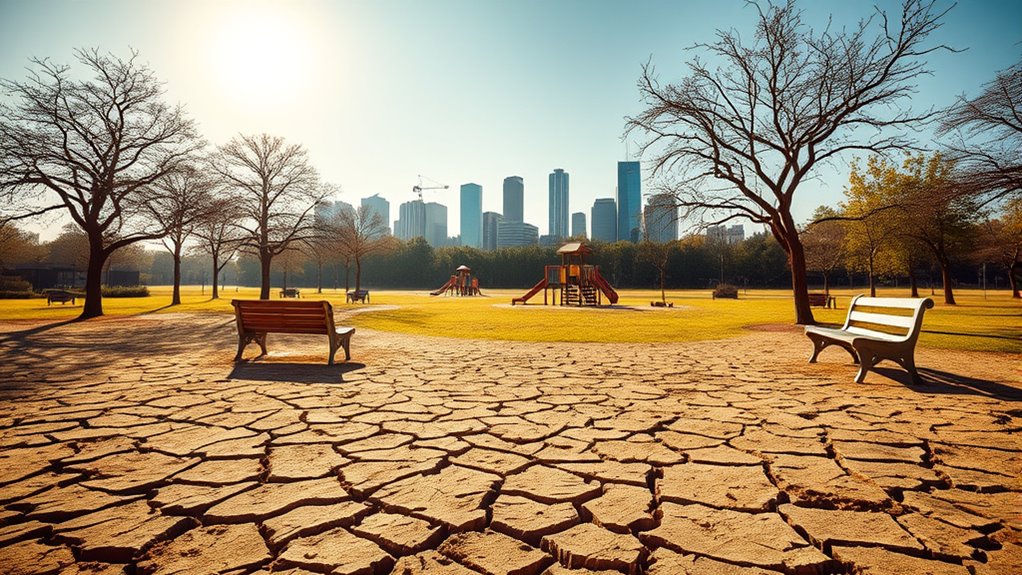

The 2003 European heatwave revealed serious gaps in preparedness, leading to thousands of preventable deaths and highlighting urban planning flaws. Cities lacked cooling strategies, green spaces, and effective heat warnings, leaving vulnerable populations exposed. In response, authorities improved early warning systems, promoted public awareness, and reformed urban designs to better handle future heat events. If you keep exploring, you’ll uncover how these lessons are shaping more resilient cities today.
Key Takeaways
- The 2003 heatwave exposed critical gaps in Europe’s emergency response and urban planning strategies.
- Urban areas lacked sufficient green spaces and cooling infrastructure to mitigate extreme heat effects.
- Public awareness campaigns were inadequate, leaving vulnerable populations unprepared for heat-related risks.
- Authorities developed early warning systems and heat emergency protocols to improve future responses.
- Reforms emphasized integrating climate resilience into urban planning and boosting community preparedness efforts.
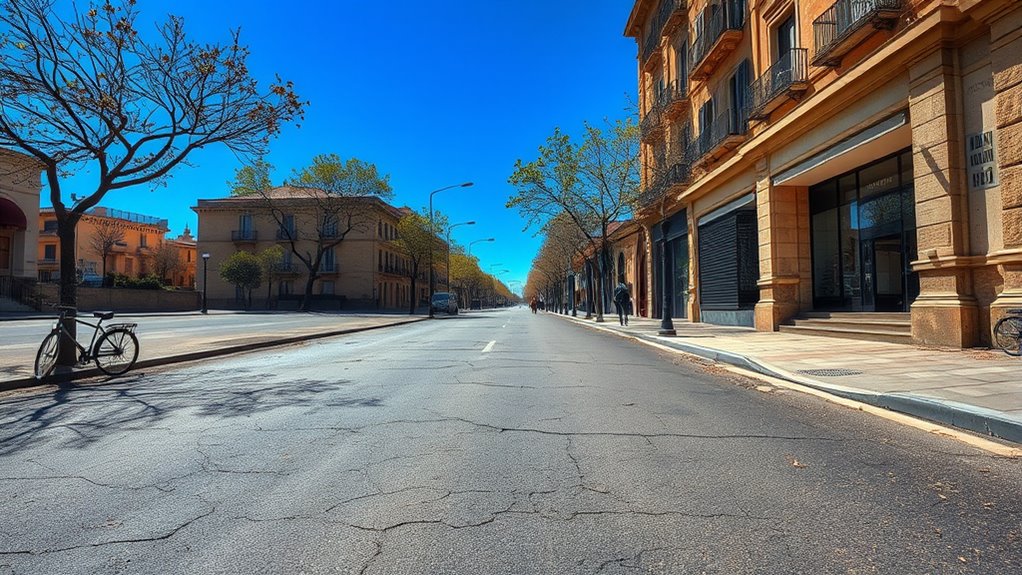
The European Heatwave of 2003 exposed critical flaws in the region’s ability to respond to extreme weather events, leading to thousands of unnecessary deaths and widespread disruption. As a result, governments and communities realized that their existing preparedness measures were insufficient. One of the key shortcomings was in urban planning, where many cities lacked strategies to reduce heat islands or provide adequate cooling spaces. Streets and buildings were poorly designed to cope with soaring temperatures, making residents more vulnerable, especially the elderly and those with health issues. Recognizing this, authorities began to rethink urban layouts, incorporating green spaces, shaded areas, and reflective surfaces to mitigate heat effects. These changes aimed to improve airflow and reduce the temperature inside cities, but they required significant planning, investment, and a shift in policy priorities. Additionally, integrating innovative cooling solutions into urban infrastructure became essential for long-term resilience.
The 2003 heatwave exposed urban planning flaws, prompting cities to incorporate green spaces and reflective surfaces to reduce heat vulnerability.
Alongside physical infrastructure, public awareness played a crucial role in the reforms that followed. During the 2003 crisis, many people were unaware of how to protect themselves from extreme heat or when to seek medical help. The lack of effective communication left vulnerable populations exposed to preventable health risks. In response, governments launched targeted campaigns to educate the public about heat safety, hydration, and recognizing early symptoms of heat-related illnesses. These efforts aimed to foster a culture of preparedness, encouraging individuals to look out for themselves and their neighbors during heatwaves. Over time, the emphasis on public awareness helped reduce fatalities and improved community resilience.
The reforms also emphasized the importance of early warning systems and coordinated responses. Authorities learned that timely information could save lives, so they invested in meteorological forecasting and alert mechanisms. When heatwaves are forecasted, alerts now reach communities quickly, prompting actions like opening cooling centers or advising vulnerable populations to stay indoors. These systems, combined with improved urban planning and public education, form a comprehensive approach to heatwave preparedness.
You now see how the 2003 heatwave served as a wake-up call, revealing vulnerabilities that needed urgent attention. Urban planning must prioritize heat mitigation strategies, and public awareness campaigns are essential for empowering individuals to act effectively. Together, these reforms help create more resilient cities and communities, better equipped to face future heatwaves. While progress has been made, ongoing efforts are necessary to adapt to changing climate conditions and protect public health. The lessons from 2003 continue to shape policies, ensuring that Europe is less vulnerable and more prepared for the extreme weather events ahead.
portable cooling fan for heatwaves
As an affiliate, we earn on qualifying purchases.
As an affiliate, we earn on qualifying purchases.
Frequently Asked Questions
How Did the Heatwave Affect Vulnerable Populations Specifically?
You notice that vulnerable populations, especially the elderly, faced higher mortality rates during the heatwave. Social isolation worsened their situation, as many lacked access to support or timely information. Without proper preparedness, these individuals struggled to stay cool and hydrated, increasing their risk. The heatwave exposed critical gaps in protecting vulnerable groups, highlighting the urgent need for targeted interventions and community support systems to prevent future tragedies.
What Role Did Climate Change Play in the Severity of the Heatwave?
Climate change considerably amplified the severity of the 2003 heatwave through climate attribution studies that link extreme weather events to the greenhouse influence. You can see how rising greenhouse gases increase the likelihood and intensity of such heatwaves, making them more severe and prolonged. This connection highlights the urgent need to reduce greenhouse emissions, as they directly contribute to more extreme and dangerous heat events like this one.
Were There Any Economic Impacts Beyond Immediate Health Costs?
Imagine your city’s economy as a fragile glass sculpture, easily shattered by stress. The 2003 heatwave caused significant economic consequences, from lost productivity to damaged crops. Insurance impacts soared as claims rose sharply, straining providers. Beyond health costs, businesses faced closures, and tourism declined, hitting local economies hard. These ripple effects highlight how such disasters extend far beyond immediate health concerns, leaving lasting financial scars.
How Did International Agencies Coordinate Response Efforts?
During the heatwave, international agencies improved interagency collaboration to coordinate response efforts effectively. They established crisis communication channels, sharing essential information quickly across borders to manage the crisis better. You’d see agencies working together to deploy resources, disseminate warnings, and support vulnerable populations. These efforts aimed to prevent chaos, guarantee timely assistance, and strengthen future preparedness, marking a significant step forward from earlier reactive approaches.
What Lessons Were Learned for Future Climate-Related Disasters?
You learn that future climate-related disasters highlight the importance of integrating urban planning and emergency preparedness. You should prioritize designing cities with green spaces, heat-resistant infrastructure, and efficient warning systems. By improving emergency response plans and adapting urban environments, you can better protect vulnerable populations and reduce risks. These lessons emphasize proactive measures, fostering resilience through smarter planning and swift action during crises.
Conclusion
As you reflect on the 2003 European heatwave, one thing becomes clear: the failures in preparedness left many vulnerable. But the reforms sparked by this disaster hold the key to preventing future tragedies. Will these measures be enough to face the rising threat of climate extremes? The answers remain uncertain, and the next heatwave could catch us unprepared once again. Stay alert—what happens next depends on how we learn from the past.