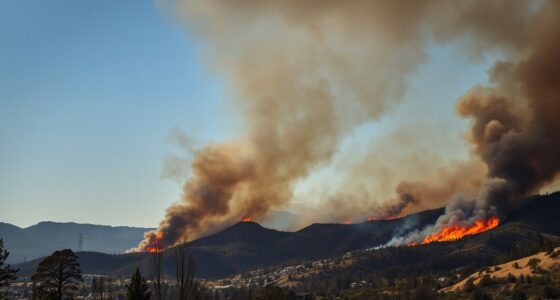

The long-term impacts of the Chernobyl disaster include increased health risks like thyroid cancer and leukemia among affected people and ongoing concerns about radiation exposure. The environment has shown signs of resilience, with ecosystems gradually recovering, though contamination still lingers. These effects have shaped safety standards and safety protocols worldwide. Understanding the full extent of these impacts can provide valuable insights into nuclear safety and environmental resilience—if you explore further, you’ll uncover even more details.
Key Takeaways
- Long-term health effects include increased thyroid cancer, leukemia, and radiation-related illnesses among affected populations.
- Ongoing radiation exposure has influenced safety standards, health monitoring, and protective measures for residents and workers.
- The ecological zone shows signs of resilience, with some species thriving despite persistent contamination.
- Certain species exhibit mutations or reduced reproduction, highlighting radiation’s ongoing impact on ecosystems.
- The disaster underscores the importance of nuclear safety, long-term health research, and environmental monitoring.
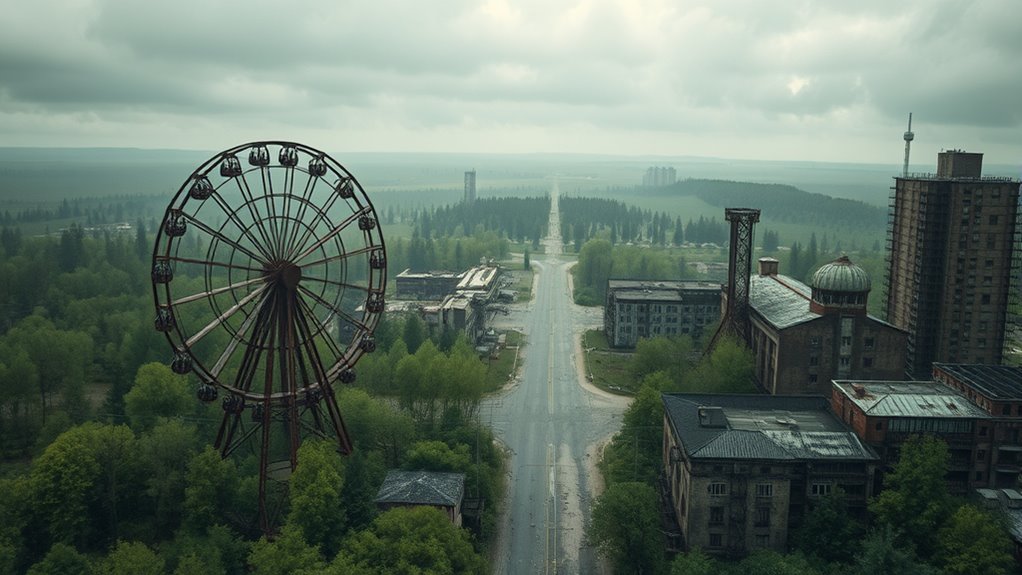
The Chernobyl disaster of 1986 released a lasting shadow over the environment and human health, with its effects rippling through decades. As you consider the long-term consequences, it’s clear that the incident dramatically altered how radiation health is understood. The explosion released a massive dose of radioactive materials into the atmosphere, contaminating vast areas and exposing countless individuals to dangerous levels of radiation. Over time, this exposure has been linked to increased rates of thyroid cancer, leukemia, and other radiation-related illnesses among those who lived nearby or worked in the cleanup efforts. The immediate health impacts were devastating, but the lingering effects continue to shape medical research and safety protocols today. You’d find that radiation health remains a core concern, prompting ongoing studies into how radiation affects human tissues, genetic material, and overall well-being. These insights are crucial for managing future nuclear accidents and protecting vulnerable populations. Additionally, ongoing research into radiation exposure helps refine safety standards and improve protective measures for affected communities. Meanwhile, the ecological recovery from Chernobyl has been a slow, complex process. Initially, the area was deemed too dangerous for human habitation, leading to the creation of the exclusion zone—a no-go zone for decades. Yet, nature’s resilience has shown remarkable results. Without human interference, many species of plants, animals, and insects have thrived, sometimes even surpassing pre-disaster populations. You might observe that despite the radioactive contamination, ecosystems are gradually rebounding, with some species adapting to the altered conditions. However, the environment remains contaminated, and the ecological recovery is uneven. Certain plants and animals carry mutations or exhibit reduced reproductive success, hinting at the ongoing influence of radiation. Scientists continue to monitor these changes, trying to understand how long-lasting radiation effects might be and whether some ecosystems will ever fully recover. The zone serves as both a cautionary tale and a natural laboratory, illustrating resilience amidst contamination.

Geiger Counter Nuclear Radiation Detector - FNIRSI Radiation Dosimeter with LCD Display, Portable Handheld Beta Gamma X-ray Rechargeable Radiation Monitor Meter, 5 Dosage Units Switched
【Nuclear Radiation Detector】FNIRSI GC-01 Geiger counter nuclear radiation detector with built-in GM sensor, able to detect Gamma, Beta...
As an affiliate, we earn on qualifying purchases.
Frequently Asked Questions
How Has Chernobyl’s Exclusion Zone Affected Local Wildlife Diversity?
You notice that Chernobyl’s exclusion zone has surprisingly boosted local wildlife diversity. Without human interference, species adapt to radiation over time, showcasing radiation adaptation. The area’s untouched habitat restoration fosters thriving populations of wolves, deer, and birds, making it a unique refuge. This environment proves that, despite initial fears, nature can recover and even flourish, demonstrating resilience and the importance of protected zones for biodiversity.
What Long-Term Psychological Effects Have Residents Experienced Post-Disaster?
You’ve likely experienced lasting psychological effects, like survivor guilt, after the disaster. Studies show up to 60% of residents suffer from post-trauma stress disorder years later. Many seek post trauma counseling to cope, but feelings of anxiety, depression, and isolation persist. You might find it hard to reconnect with loved ones or return to normal routines, as the emotional scars remain long after the event.
Are There Ongoing Health Studies Tracking Radiation Exposure Effects?
Yes, ongoing health studies track radiation exposure effects by monitoring radiation biomarkers and conducting health surveillance. You can find that researchers regularly analyze biological samples to detect radiation biomarkers, helping assess long-term health risks. These studies guarantee that health surveillance continues for affected populations, providing valuable data to understand radiation’s impact and guide medical interventions. Staying informed about these studies helps you understand the ongoing efforts to protect and support those impacted.
How Has Agriculture Recovered in Areas Affected by the Meltdown?
You’ll see that agriculture in affected zones is slowly regrowing like a stubborn weed after soil remediation efforts. Farmers are boosting crop resilience through advanced techniques, making plants tougher and more resistant to lingering radiation. Though the land’s healing process is slow, careful management and scientific innovation help restore soil health, allowing crops to flourish again. With patience and dedication, these fields are gradually turning green, promising a resilient future amid past scars.
What Are the Latest Advancements in Nuclear Safety Inspired by Chernobyl?
You’ll find that recent advancements in nuclear safety focus on reducing nuclear risk and enhancing safety protocols. Technologies like passive safety systems, which operate without human intervention, and real-time monitoring tools improve reactor safety. Additionally, stricter regulations and improved containment structures help prevent accidents. These innovations make nuclear power safer by minimizing risks and ensuring rapid responses, ultimately protecting both people and the environment from potential nuclear hazards.

Nuclear Radiation Detector GQ GMC-800 Geiger Counter USA Design Product US National Standard Large Color LCD Display 5 Alarm Types Dosimeter Data Save & Global Share Beta Gamma X-ray Portable Device
【Nuclear radiation detector】GQ GMC-800 is the latest upgraded model of USA GQ Electronics Geiger Counters. Portable, personal &...
As an affiliate, we earn on qualifying purchases.
Conclusion
So, after all these years, you get to enjoy the lovely legacy of Chernobyl—radioactive beauty and a reminder that nature really appreciates a good dose of irony. While some claim humanity learned its lesson, you might wonder if we’re just waiting for the next “accident” to add more charm to our ecological scrapbook. But hey, at least you now have a fascinating story about how we can turn a disaster into a long-term environmental masterpiece.

Bloepum DIY Assemble Geiger Counter Kit Counter Module Nuclear Radiation Detector with Sound and Light Alarm Blue
4. Interrupt output interface, through which you can connect The microcontroller is then displayed on the LCD.
As an affiliate, we earn on qualifying purchases.

MightyOhm Geiger Counter Kit Bundle
Kit includes all components needed to build a working Geiger counter, including a high quality printed circuit board,...
As an affiliate, we earn on qualifying purchases.