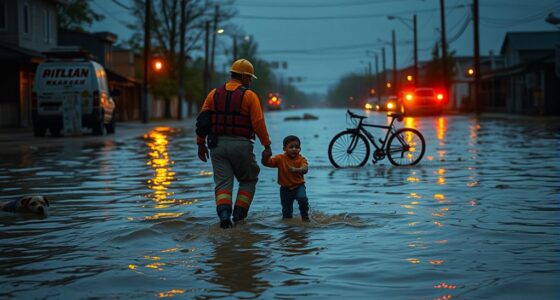
To overcome decision fatigue in emergencies, take brief mental breaks to reset your focus and stay calm. Prioritize urgent tasks and delegate responsibilities to reduce mental overload. Familiarize yourself with protocols beforehand through drills and checklists, so responses become instinctive. Recognize early signs of fatigue and practice stress management techniques like breathing exercises or mindfulness. Staying prepared and aware helps you maintain clear judgment under pressure—continue to explore strategies that keep your decision-making sharp when it matters most.
Key Takeaways
- Familiarize with emergency protocols and develop checklists to streamline decision-making under stress.
- Take brief mental breaks to reset focus and prevent mental exhaustion during high-pressure situations.
- Prioritize critical actions first, and delegate tasks to reduce cognitive load on yourself.
- Use mental rehearsals and scenario drills to build automatic responses and decrease decision fatigue.
- Maintain calm and practice stress management techniques to preserve mental clarity and decision-making capacity.

During emergencies, your ability to make quick, clear decisions often determines the outcome. When faced with high-stress situations, your mental stamina is put to the test, and fatigue can cloud your judgment. Decision fatigue can cause you to second-guess yourself or delay critical actions, which might worsen the situation. To overcome this, you need to develop strategies that preserve your mental energy and help you maintain sharp, quick judgment even under pressure. Recognizing the signs of mental exhaustion early can prevent it from impairing your decision-making capacity. If you start feeling overwhelmed, take a brief moment to breathe deeply or clear your mind, allowing your mental stamina to reset. This pause can be vital in maintaining your focus and ensuring you act decisively.
Staying calm and recognizing fatigue helps maintain sharp decision-making during emergencies.
Preparation plays a significant role in managing decision fatigue. When you’re well-prepared, the number of decisions you need to make on the spot diminishes, conserving your mental stamina. Familiarize yourself with emergency protocols and run through scenarios in advance. This mental rehearsal builds muscle memory, making your responses more instinctive and less draining. Additionally, creating checklists or decision trees can serve as mental shortcuts, guiding your quick judgment during chaos. These tools reduce cognitive load, so you’re not overwhelmed by trying to analyze every detail in real-time.
During an emergency, it’s important to prioritize decisions based on their urgency and impact. Not every situation demands an immediate response; learning to differentiate between critical and non-critical choices can save your mental energy. Focus your attention on actions that will prevent further harm or stabilize the situation first. Filtering decisions this way allows you to conserve mental stamina for the most pressing issues. If you’re working as part of a team, delegate tasks when possible. Sharing responsibilities ensures no single person bears the entire mental burden and helps maintain overall decision quality.
Finally, practice mental resilience techniques outside of emergencies. Regularly engaging in activities like mindfulness, meditation, or stress management exercises can strengthen your mental stamina over time. The better you are at controlling stress, the less decision fatigue will sap your energy during crises. Being aware of the operating hours of nearby stores can also help you plan your supplies ahead of time, reducing last-minute decisions during an emergency. Remember, the key to maintaining quick judgment when it matters most is not just about reacting fast but staying mentally sharp and focused. With preparation, awareness, and resilience, you can navigate emergencies more effectively, making decisions that protect lives and reduce chaos. Your ability to stay composed and decisive can make all the difference when every second counts.

The Prepper's Cookbook: 300 Recipes to Turn Your Emergency Food into Nutritious, Delicious, Life-Saving Meals
- Book Title: The Prepper's Cookbook
- Number of Recipes: 300 recipes
- Author: Tess Pennington
As an affiliate, we earn on qualifying purchases.
Frequently Asked Questions
How Can Technology Assist in Emergency Decision-Making?
Technology assists your emergency decision-making by leveraging AI algorithms to analyze data rapidly, helping you identify critical issues quickly. Data visualization transforms complex information into clear, actionable visuals, reducing your cognitive load. With these tools, you can make faster, more informed decisions, even under pressure. By streamlining data analysis and presentation, technology empowers you to respond effectively and confidently during emergencies.
What Are Common Signs of Decision Fatigue During Crises?
Like Icarus nearing the sun, you might feel mental exhaustion creeping in during crises. Signs of decision fatigue include reduced focus, slower responses, and irritability. Cognitive overload makes it hard to weigh options clearly, leading to impulsive choices or avoidance. You may notice difficulty prioritizing tasks or second-guessing yourself. Recognizing these signs helps you pause, recharge, and prevent poor decisions amid chaos.
How Can Teams Prepare for High-Stress Emergency Decisions?
You can prepare your team for high-stress emergency decisions by establishing clear team communication protocols and practicing rapid resource prioritization. Conduct regular drills to simulate emergencies, guaranteeing everyone understands their roles and responsibilities. Implement decision-making frameworks to streamline choices under pressure. Encourage open communication so team members can quickly share crucial information. This proactive approach helps reduce decision fatigue, keeps focus sharp, and ensures coordinated, effective responses during crises.
Are There Mental Exercises to Improve Decision Resilience?
To boost your mental resilience, try cognitive training exercises like mindfulness meditation and quick decision drills. These activities strengthen your ability to stay focused and calm under pressure. Practice deep breathing to manage stress, and regularly challenge yourself with scenario-based exercises to improve your decision-making skills. Incorporating these mental exercises into your routine helps you stay sharp, adaptable, and resilient during high-stress emergencies.
How Does Decision Fatigue Differ Across Various Emergency Scenarios?
In emergency scenarios, decision fatigue varies based on stress management and cognitive load. When stress levels are high and cognitive load increases, your mental resilience drops faster, making decisions more difficult. In chaotic situations, you might experience quicker mental exhaustion, while structured emergencies allow better focus. Recognizing these differences helps you adapt, managing stress effectively and reducing cognitive overload, so you stay clear-headed and make better choices under pressure.
Conclusion
You never know when an emergency will strike, but staying calm and focused can make all the difference. Remember, the most vital decisions often come at unexpected moments—just like that time you found yourself in the right place at the right time. By practicing quick judgment and trusting your instincts, you’re more prepared than you realize. Sometimes, it’s those small, coincidental moments of clarity that help you overcome decision fatigue when it matters most.