TL;DR

Get emergency and outdoor gear delivered free with Prime
- Fast, free delivery on millions of items
- Prime Video, Amazon Music and more included
- Member-only deals all year
In an Outdoor Life report published Nov. 2, archery instructor and veteran whitetail hunter John Dudley shared techniques for managing buck fever: visualize the shot, follow a consistent shot process and practice under pressure. The advice is based on Dudley’s experience and recommendations; the report does not present clinical evidence or guarantee that the methods will work for every hunter.
Archery instructor John Dudley says bowhunters can better manage buck fever by rehearsing possible shots, sticking to a step-by-step shooting routine and practicing in situations that create pressure. The advice appears in an Outdoor Life report published Nov. 2, 2026, and draws on Dudley’s experience as a competitive archer and veteran whitetail hunter.
Dudley’s first-hand account begins with a hunt in Illinois when he was a young bowhunter. He said a large buck came close while he was using a compound bow set at a draw weight he could manage during practice. When the deer appeared, however, he could not draw the bow. Dudley recalled his knees shaking and his heartbeat pounding. After the buck left, he examined the bow and then drew it without difficulty.
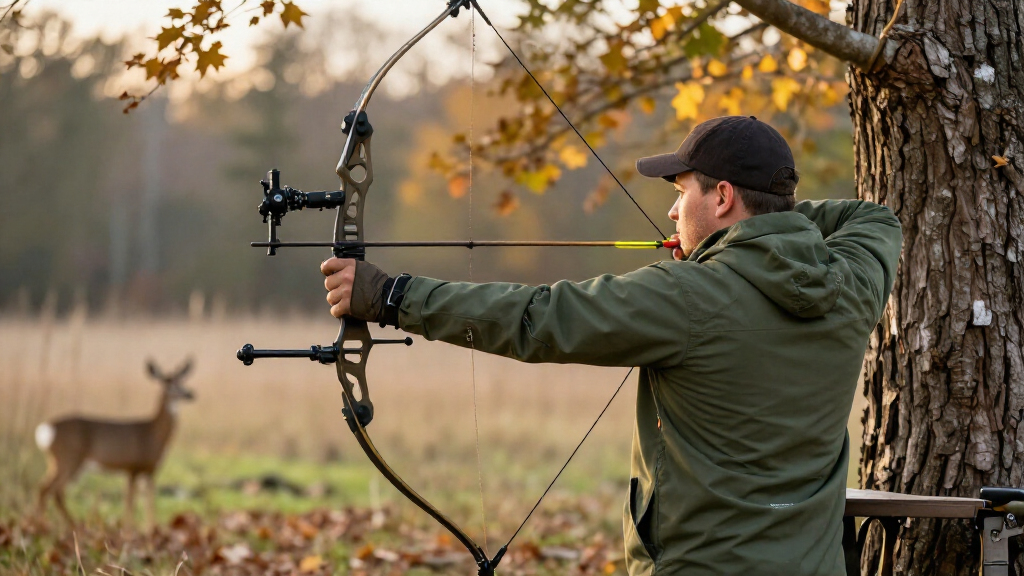
For preparation, Dudley recommends mentally rehearsing the sequence of actions a hunter expects to take: ranging the deer, handling the release, positioning the feet, drawing smoothly and completing the shot. He told Outdoor Life that hunters can use time in a stand to imagine different scenarios, so those movements feel familiar when an opportunity arises.
He also advises using a consistent shot process—a short set of mental cues linked to physical actions. Dudley’s sequence is “Stance; Grip; Shoulder; Anchor; Peep; Pull and Finish.” He recommends adapting the cues to the shooter’s needs and repeating the routine on every shot. A brief mantra can also redirect attention from excitement about the animal to the task at hand. Dudley said he uses “checkmate” when an animal presents a shot.
Turning Hunting Nerves Into a Routine
Buck fever can disrupt a shot even when a bowhunter can perform the same movements calmly in practice. Dudley’s account illustrates the gap between a controlled range session and a high-stakes encounter with an animal. His suggestions focus on giving attention a familiar sequence to follow rather than trying to suppress excitement outright.
The advice is practical for readers because it points to preparation that can be tested before a hunt: rehearse movements, establish a personal shot routine and practice under pressure. Dudley says tournament shooting can help archers become more accustomed to performing while nervous. That is his recommendation, not a guarantee that tournament experience will remove anxiety or improve every hunting shot.
Popular right now

Vitamix Propel Series 510 Professional-Grade Blender, 3 Programs, Black

KitchenAid Classic Series 4.5-Quart Tilt-Head Stand Mixer, Onyx Black

LG 85-Inch QNED84B Mini LED 4K Smart TV (2026)
As an affiliate, we earn on qualifying purchases.
Dudley’s Experience Under Pressure
Dudley is described by Outdoor Life as a professional archer and experienced whitetail hunter. The report connects his present-day advice to the Illinois encounter that shaped his approach to shooting under pressure. He initially suspected a problem with his equipment, but after the deer left he was able to draw the bow, leading him to identify nerves as the issue.
The article also credits Olympic medalist Lanny Bassham’s book With Winning in Mind with helping Dudley understand the value of a mental process. Outdoor Life gear editor and competitive archer Scott Einsmann offers a separate example of a customized routine, including cues to check alignment and allow the shot to break. The examples underline that the sequence need not be identical for every archer.
““I had that thing pointed straight up in the air trying to pull it back. My heartbeat was hitting so hard I honestly thought I was going to need some stents or something by the time it was done.””
— John Dudley, recalling his early Illinois hunt, as quoted by Outdoor Life
Limits of the Advice
The report presents Dudley’s experience and coaching advice; it does not provide controlled research showing how much visualization, mantras or tournament practice reduce buck fever. It also does not establish that these techniques work equally well for all hunters. The source material gives no specific tournament schedule, training plan or measurable outcome for Dudley’s recommendations.
Bow setup is another relevant factor in his early story: Dudley said the bow’s draw weight was too heavy for him, despite being manageable during practice. The report does not offer a technical assessment of that equipment or a general setup prescription. Readers should not take the anecdote as evidence that nerves are the only possible explanation when a bow is difficult to draw.
Practice Before the Next Hunt
Dudley’s immediate recommendation is to make pressure practice part of preparation: develop a shot sequence, rehearse it consistently and, if appropriate, shoot in tournaments to experience nerves in a controlled setting. Bowhunters can also mentally rehearse likely situations while waiting in a stand, as he describes in the report.
The article does not announce a new program or a follow-up study. For readers, the next step is applying the routine during practice and evaluating whether it helps them maintain controlled form. Any difficulty drawing a bow should also prompt a check of equipment fit and draw weight with a qualified archery professional, rather than reliance on mental cues alone.
Key Questions
What does John Dudley recommend for managing buck fever?
He recommends visualizing likely shot scenarios, following a repeatable sequence of mental and physical cues, using a short mantra and practicing under pressure.
What is Dudley’s shot process?
His sequence is “Stance; Grip; Shoulder; Anchor; Peep; Pull and Finish.” He says archers can adapt their cues to suit their own habits and needs.
What does Dudley mean by using a mantra?
A mantra is a brief phrase or word used to direct attention. Dudley says he thinks “checkmate” when an animal presents a shot, rather than focusing on how large the buck is.
Does tournament shooting guarantee less buck fever?
No. Dudley recommends tournaments as a way to practice while feeling pressure, but the report does not establish that this eliminates anxiety or produces the same result for every hunter.
Source: outdoorlife.com