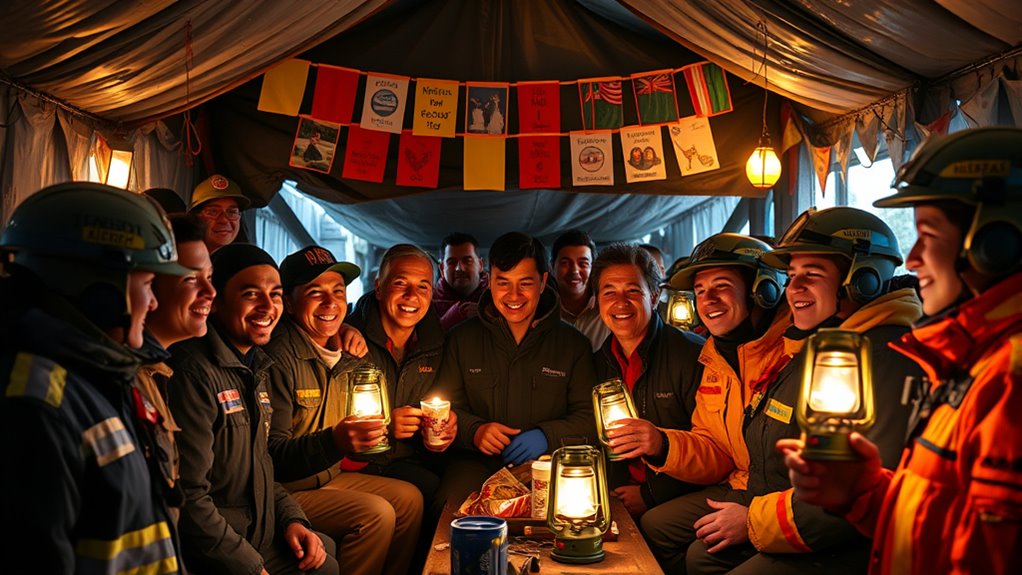

To sustain morale during long emergencies, focus on open communication and recognizing progress, which build trust and motivation. Encourage community support, shared responsibility, and a collective sense of purpose to strengthen resilience. Prioritize mental health through regular check-ins, professional support, and stress management techniques like mindfulness. Adapt strategies based on feedback and emotional needs to maintain engagement. Staying proactive helps prevent burnout and keeps spirits high; explore further to discover more effective ways to keep morale strong.
Key Takeaways
- Maintain open, honest communication to foster trust and reduce uncertainty.
- Recognize and celebrate small achievements to boost community morale.
- Provide access to mental health support and encourage stress-relief activities.
- Promote a sense of collective purpose and mutual support among community members.
- Regularly evaluate emotional wellbeing and adapt strategies to evolving needs.
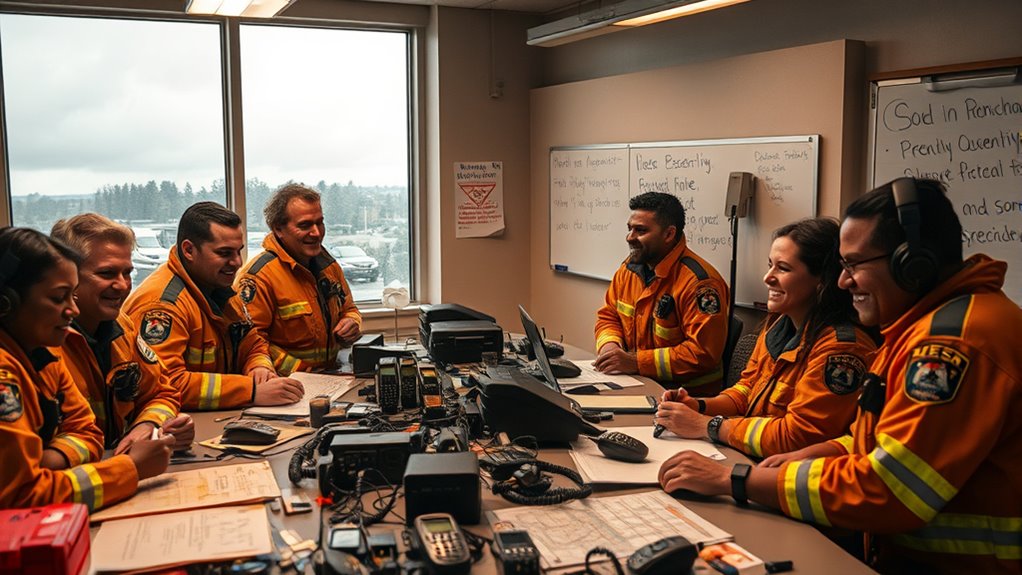
During emergencies, maintaining high morale is essential because it directly influences how individuals and teams respond under stress. When facing long-lasting crises, your mindset and emotional strength can make the difference between chaos and coordinated action. To sustain morale effectively, you need to focus on strengthening community resilience. This means fostering a sense of collective purpose, encouraging mutual support, and ensuring everyone feels valued and included. When community members unite around shared goals, it creates a supportive environment that buffers against despair and fatigue. You should promote open communication, so people feel informed and involved, which helps build trust and cooperation. Recognizing and celebrating small wins also boosts spirits, reminding everyone that progress is possible even amid adversity.
Equally important are mental health strategies, which serve as crucial tools in maintaining morale during prolonged emergencies. You might suggest regular mental health check-ins, providing space for individuals to express their feelings and concerns without judgment. Offering access to professional support, whether through counseling services or peer support groups, can prevent burnout and emotional exhaustion. Encourage practices like mindfulness, breathing exercises, or short breaks, which help reduce stress and restore focus. When people know that their mental health is a priority, they’re more likely to stay resilient and motivated. You should also normalize talking about mental health challenges, reducing stigma and fostering a culture of openness and support. This approach helps individuals feel less isolated in their struggles, reinforcing the idea that they’re part of a community that cares.
To sustain morale over time, you need to be proactive and adaptable. Regularly assess the emotional climate and be ready to adjust your strategies accordingly. Keep communication transparent and honest, so everyone understands what’s happening and what’s expected of them. Provide clear guidance and resources to help people manage their stress and stay connected. Recognize that mental health isn’t a one-time fix but an ongoing effort, especially during long emergencies. When you prioritize community resilience and mental health strategies, you empower individuals and teams to maintain hope, stay engaged, and persevere through the toughest times. Your leadership can foster a resilient environment where morale remains strong, even when challenges seem overwhelming. Incorporating mental health guidelines based on best practices can further enhance the support system within your community, ensuring long-term stability and well-being.

Gaia Herbs Mental Alertness – Brain Support Supplement with Herbs Traditionally Used to Help Support Focus & Memory* – With Eleuthero, Ginkgo Leaf & More – 60 Vegan Liquid Phyto-Capsules (30 Servings)
- Brain Support: Supports focus, clarity, and memory
- Caffeine-Free Formula: Promotes jitter-free focus and nervous system support
- Allergen-Free: Gluten-free, dairy-free, soy-free
As an affiliate, we earn on qualifying purchases.
As an affiliate, we earn on qualifying purchases.
Frequently Asked Questions
How Can Leaders Maintain Morale Without Constant Communication?
You can maintain morale without constant communication by focusing on team building and motivational strategies. Trust your team to handle their tasks, and set clear expectations upfront. Recognize achievements regularly, and foster a sense of purpose through shared goals. Use periodic check-ins to boost motivation, and create a supportive environment. By empowering your team and reinforcing their value, you keep morale high even with less frequent communication.
What Role Does Physical Health Play in Sustaining Morale?
Physical health plays a vital role in sustaining morale because when you prioritize physical wellness, you boost mental resilience. You might find that regular movement, proper nutrition, and rest help you stay focused and positive during tough times. Coincidentally, maintaining your health fuels your ability to handle stress, stay motivated, and support others, creating a cycle that keeps morale high even in long emergencies.
How to Handle Morale When Resources Are Critically Low?
When resources are critically low, you can boost morale by fostering community bonding through shared tasks and support. Hold regular morale checkpoints to openly address concerns and celebrate small victories, reinforcing unity. Encourage teamwork and resilience, reminding everyone that their efforts matter. By maintaining open communication and nurturing a strong sense of community, you help sustain spirits despite resource shortages. Stay positive, and focus on what you can control together.
Are There Specific Psychological Techniques to Boost Resilience?
Sure, you can try the classic “pretend you’re on vacation” technique—except it’s mindfulness exercises and emotional regulation. Focus on your breath, stay grounded, and acknowledge feelings without judgment. These psychological techniques boost resilience by helping you stay calm amid chaos. Remember, resilience isn’t about ignoring stress, it’s about managing it smartly. So, breathe deeply, stay present, and keep your emotional armor polished for the long haul.
How Can Morale Be Measured Effectively During Emergencies?
You can measure morale effectively during emergencies by conducting psychological assessments that include surveys and interviews. Focus on morale indicators like engagement, optimism, and stress levels. Regularly gather feedback from team members and observe behavioral cues to track changes over time. Using these methods helps you identify morale issues early, allowing you to implement targeted support strategies that maintain resilience and keep morale high throughout the crisis.
Conclusion
Keep your spirits steady like a lighthouse in a storm, guiding yourself and others through the darkest nights. Remember, even the longest emergencies are just chapters in your story—each one passing eventually. By nurturing hope and staying connected, you light a fire that warms everyone around you. Stay resilient, hold onto your purpose, and trust that brighter days are on the horizon, waiting just beyond the clouds. Your unwavering morale can turn stormy seas into calm waters.