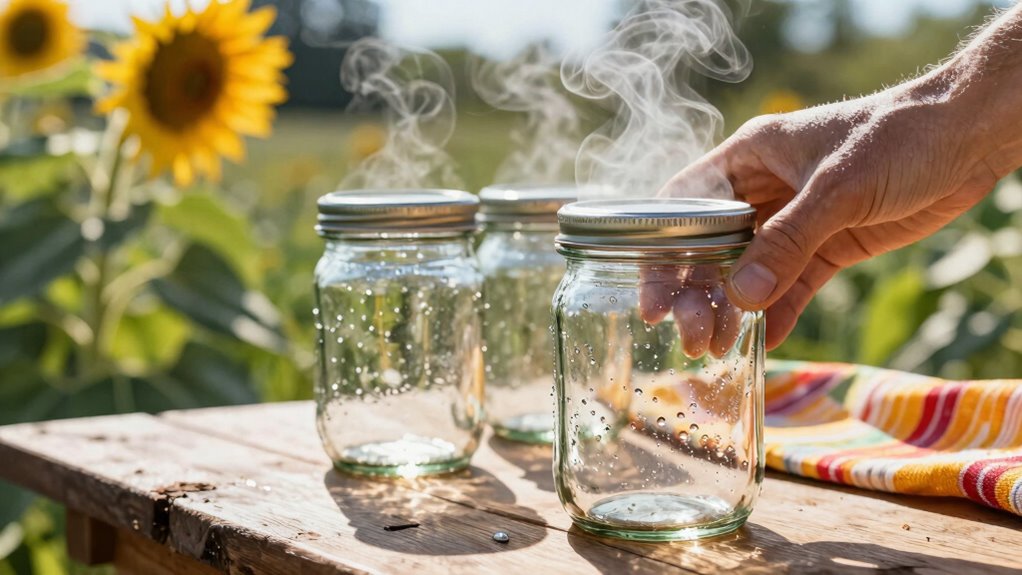
Canning in hot weather increases spoilage risks because heat accelerates bacterial growth, weakens jar seals, and can lead to contaminated, unsafe foods. When temperatures rise, bacteria double faster, and seals may fail, causing leaks or spoilage. Proper storage, adjusting processing times, and using reliable equipment help prevent these issues. If you want to keep your canned goods safe all summer long, there’s more vital information that can help you.

Get emergency and outdoor gear delivered free — and shop member deals
- Fast, free delivery on millions of items
- Access to Prime Big Deal Days deals on October 6–7
- Prime Video, Amazon Music and more included
Key Takeaways
- Elevated temperatures accelerate bacterial growth, increasing the risk of spoilage and foodborne illnesses in canned goods.
- Heat can weaken jar seals and cause lid distortion, leading to potential contamination and spoilage.
- Warmer conditions promote *Clostridium botulinum* growth, particularly in low-acid foods, heightening botulism risk.
- Improper storage in hot environments can compromise seal integrity and reduce shelf life.
- Adjusting processing times and monitoring storage temperatures are crucial to prevent spoilage during hot weather.
As an affiliate, we earn on qualifying purchases.
Why Hot Weather Speeds Up Food Spoilage During Canning
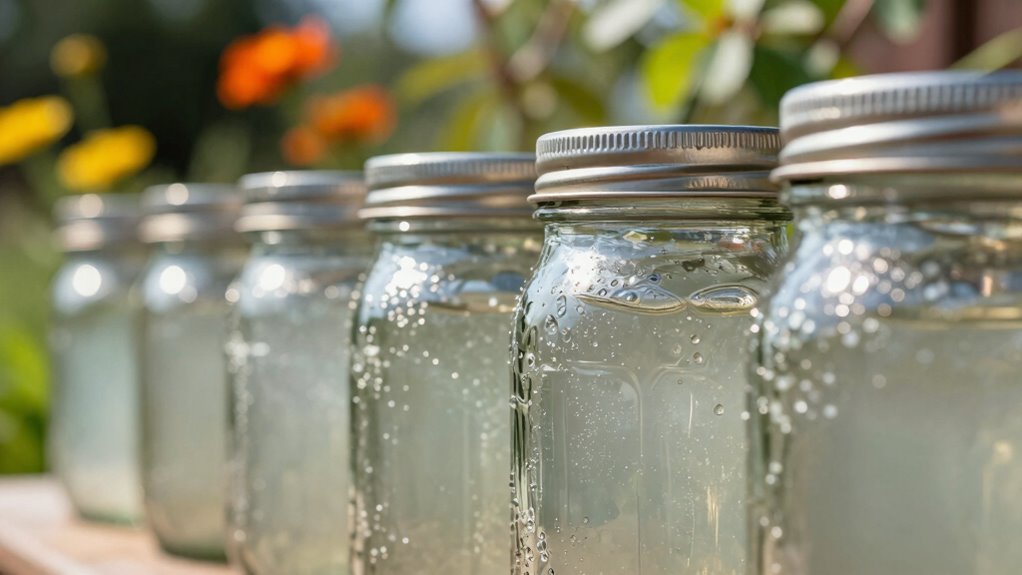
Hot weather accelerates food spoilage during canning because higher temperatures promote bacterial growth and enzymatic activity. When temperatures rise, bacteria multiply faster, increasing the risk of spoilage and foodborne illnesses. Maintaining proper canning safety becomes more challenging in hot conditions, as the increased microbial activity can compromise your preserved foods. To guarantee effective food preservation, it’s crucial to work quickly and keep jars and supplies cool during the process. Using clean, sterilized equipment and following tested canning guidelines helps prevent contamination. Additionally, storing canned goods in a cool, dark place after processing minimizes spoilage risks. Recognizing how heat influences bacterial growth underscores the importance of careful handling and vigilant food safety practices during hot weather canning.
How Warm Temperatures Promote Bacterial Growth in Cans
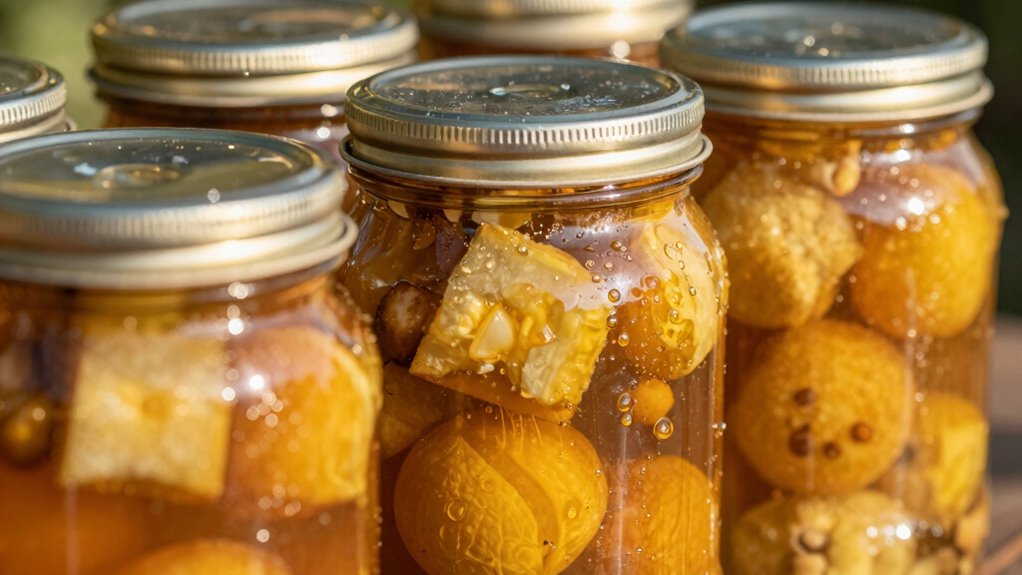
Warm temperatures cause bacteria to multiply faster inside your canned foods, increasing the risk of spoilage. This rapid growth reduces how well preservation methods work, making your canned goods less safe over time. If temperatures get too high, there’s also a greater chance of dangerous bacteria like botulism developing in the cans.
Accelerated Bacterial Multiplication
As temperatures rise during canning, bacteria multiply more quickly, increasing the risk of spoilage and foodborne illness. Warm conditions accelerate bacterial growth, making fermentation risks more likely and causing flavor degradation in your preserved foods. Rapid bacterial multiplication means your canned items can spoil faster if not properly cooled and stored. To understand this better, consider:
- Bacteria double in number roughly every 20 minutes at high temperatures.
- The risk of botulism increases with faster bacterial growth.
- Spoiled cans may develop off-odors and cloudy liquid.
- Increased bacterial activity shortens shelf life and compromises safety.
Reduced Preservation Effectiveness
Higher temperatures directly weaken the effectiveness of your preservation efforts because they accelerate bacterial growth inside canned foods. When the environment is warmer, maintaining proper temperature control becomes vital to prevent spoilage. Warm conditions speed up the breakdown of ingredient freshness, making your canned goods more vulnerable to microbial activity. Even if you follow correct canning procedures, elevated temperatures can reduce the sterilization process’s efficiency, leaving behind bacteria that thrive in heat. This means your food might not stay safe or taste as fresh for as long as it should. To preserve quality and safety, it’s essential to store canned foods in cool, stable environments, especially during hot weather, ensuring that bacteria don’t gain the upper hand and compromise your efforts.
Increased Risk of Botulism
When temperatures rise during hot weather, the risk of botulism in canned foods increases substantially. Warmer conditions create an ideal environment for Clostridium botulinum bacteria to grow if proper precautions aren’t taken. To prevent botulism, focus on strict botulism prevention practices, including maintaining proper pH control.
Key points to reduce risk include:
- Always process low-acid foods at the correct pressure and time.
- Use reliable pH testing methods to ensure safety.
- Store canned goods in cool, dark places after processing.
- Regularly inspect jars for bulging lids or leaks, which indicate spoilage.
How Hot Weather Affects Jar Seals and Food Safety
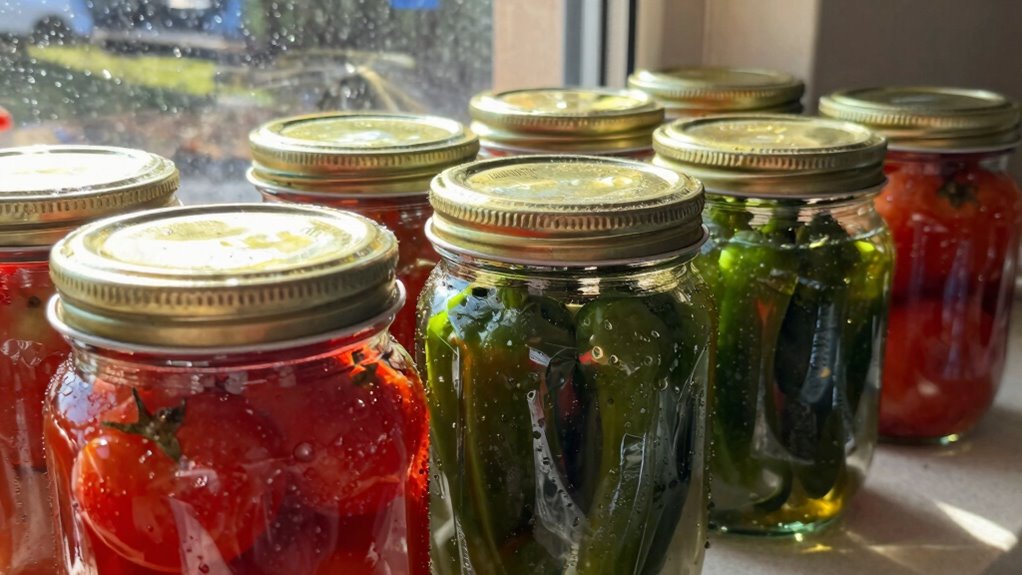
Hot weather can cause jar seals to break or weaken, risking contamination. When seals fail, bacteria can enter and multiply, making your food unsafe. Plus, heat speeds up spoilage processes, so proper precautions are essential to keep your canned goods safe. Additionally, ethical considerations around food safety emphasize the importance of proper storage to prevent waste and protect consumer health. Maintaining proper storage conditions is crucial to minimize these risks and ensure food safety during hot weather. Proper handling techniques can also help prevent spoilage and prolong the shelf life of your preserved foods. Being aware of regional climate impacts can further help you adapt your canning practices to varying temperature conditions. Furthermore, understanding how temperature fluctuations influence jar integrity can assist in developing more resilient preservation methods.
Elevated Temperatures Disrupt Seals
Elevated temperatures can cause jar seals to loosen or fail, risking contamination and spoilage. When the heat causes temperature fluctuations, the seal integrity weakens, making jars more vulnerable to leaks. This loss of seal tightness compromises food safety and shelf life. To understand how heat affects seals, consider these points:
- Excess heat causes the metal lid to expand, breaking the vacuum seal.
- Rapid temperature changes lead to seal distortion.
- Higher temperatures soften sealing compounds, reducing adhesion.
- Consistent heat stress weakens the overall seal structure over time.
Maintaining a stable environment helps preserve seal integrity. Avoiding extreme or fluctuating temperatures during and after can keep your canned goods safe and secure.
Increased Bacterial Growth Risks
As jar seals weaken or fail due to heat, bacteria can quickly infiltrate your canned foods, increasing the risk of foodborne illnesses. Hot weather accelerates bacterial growth, especially if the food’s acidity isn’t properly balanced. Low-acid foods are particularly vulnerable, as they provide an ideal environment for bacteria like Clostridium botulinum to thrive when seals are compromised. Canning jars rely on a secure seal to prevent contamination, but high temperatures can cause seals to degrade or break prematurely, allowing bacteria to enter. Even small breaches can lead to dangerous bacterial proliferation, compromising food safety. To minimize risks, always check jar seals after processing and ensure proper acidity levels. Proper handling and attention to jar integrity are critical to keeping your canned foods safe during hot weather. Additionally, color accuracy in processing and storage conditions can influence the detection of spoilage signs, helping prevent outbreaks.
Heat Accelerates Spoilage Processes
When temperatures rise, the risks of spoilage in canned foods increase markedly because heat speeds up both chemical and biological breakdown processes. Heat accelerates spoilage indicators like mold, off-odors, and discoloration. It also impacts jar seals, causing them to weaken or fail, which can lead to contamination. Temperature fluctuations further worsen this, as repeated heating and cooling stress the integrity of seals and food quality. Additionally, high temperatures can promote the growth of harmful bacteria if the food is not properly processed or stored proper storage techniques. Recognizing how heat influences microbial activity and other spoilage factors allows you to better protect your canned foods during hot weather. To minimize spoilage risks, you should:
- Store jars in a consistently cool, dark place.
- Regularly check for seal integrity.
- Monitor for visible spoilage indicators.
- Avoid storing canned foods in hot or fluctuating environments.
- Being aware of temperature-sensitive foods can help you take targeted precautions to prevent spoilage. Furthermore, understanding thermal stability of different foods can guide you in choosing appropriate storage conditions to extend shelf life.
Understanding how heat accelerates spoilage helps you take better precautions during hot weather, ensuring food safety and preservation.
Recognizing Spoiled Canned Goods in Summer

Hot weather can accelerate spoilage in canned goods, making it essential to know how to spot signs of contamination. First, check for color changes; if the contents look cloudy, discolored, or have unusual spots, discard the can. Visual cues are often the first sign something’s wrong. Next, use odor detection—if the canned food emits a sour, rotten, or off smell when opened, it’s spoiled. Do not taste or try to smell canned goods before confirming spoilage, but if any abnormal odor is noticeable, throw the can away immediately. Additionally, be alert for proper storage conditions since temperature fluctuations can increase spoilage risk. Proper storage, especially in cool, stable environments, can significantly reduce the chances of bacterial growth. Also, look for bulging lids or leaks, which indicate bacterial activity. Trust your senses—color and smell are your best indicators to prevent consuming unsafe, spoiled food in hot weather. Being aware of crypto pump signals can also help you avoid sudden market shifts that could impact your investments. Ensuring items are stored in consistent temperatures helps maintain food safety and quality during extreme heat.
How to Keep Your Cans Safe During Hot Weather

To keep your canned goods safe during hot weather, it’s important to store them properly and monitor temperature conditions. Proper storage minimizes spoilage risks and helps maintain flavor preservation. First, guarantee your pantry stays below 85°F; high temps can compromise jar sterilization. Second, store canned goods in a cool, dark place to prevent light and heat from degrading quality. Third, regularly check for bulging lids or leaks, which indicate spoilage. Fourth, when reusing jars, sterilize them thoroughly to prevent contamination. Additionally, understanding the importance of regulatory and environmental considerations can help ensure your storage practices stay safe and compliant. Maintaining consistent temperatures is crucial because fluctuations can weaken seals, so consider using a thermometer to monitor storage conditions. Consistent temperature control also supports the integrity of the canning process, reducing the risk of spoilage. Also, being aware of air quality benefits can help you select the best storage environment, especially in areas prone to humidity or pollution. Furthermore, familiarizing yourself with food safety guidelines can help you identify signs of spoilage early. Follow these tips to safeguard your canned items during hot weather and enjoy safe, flavorful food year-round.
How to Adjust Canning Times for Summer Conditions
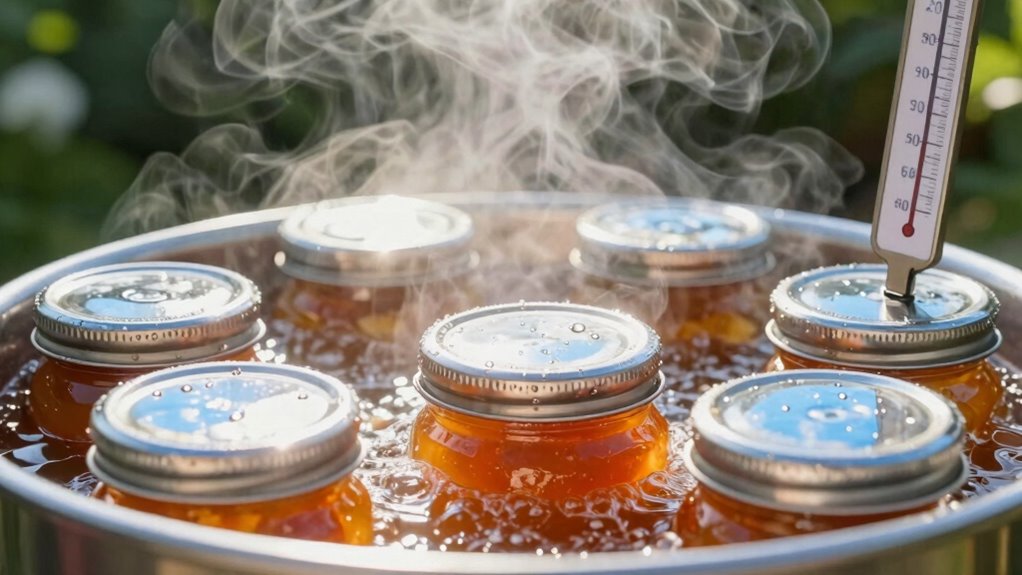
During hot summer weather, you may need to adjust your canning times to guarantee safety and quality. Keep an eye on boiling temperatures, as they can rise above standard levels, affecting processing. By monitoring these factors, you can modify your processing times appropriately for reliable results. Additionally, being aware of water temperature variations can help you better adapt your canning procedures during high heat. Recognizing how ambient temperature effects influence boiling points can further improve your canning accuracy during the summer months. Understanding boiling point fluctuations is essential for maintaining proper food safety standards during warmer weather, especially since altitude and temperature changes can also impact processing times and safety procedures.
Adjust Processing Times
When canning in hot weather, you may need to modify your processing times to guarantee food safety. Elevated temperatures can affect acidity and processing duration, risking spoilage. To compensate, consider these steps:
- Verify your pH adjustment to ensure acidity stays within safe limits, especially for low-acid foods.
- Increase processing duration slightly if your current times are based on cooler conditions, but avoid overprocessing.
- Use a reliable thermometer to monitor boiling temperatures, as they influence processing times.
- Always consult updated USDA or extension guidelines, as hot weather may necessitate deviations from standard times for certain foods.
Monitor Boiling Temperatures
Monitoring boiling temperatures is key to ensuring your canning process remains safe in hot weather. When outdoor temperatures rise, the boiling point of water can shift slightly, affecting your processing times. By paying close attention to the boiling point, you can adjust your canner’s temperature control to maintain proper heat levels. Use a reliable thermometer to verify that water reaches and sustains the correct temperature at sea level, or adjust for elevation if needed. Keeping an eye on boiling temperatures helps prevent underprocessing, which risks spoilage, and overprocessing, which can compromise food quality. Consistent monitoring ensures your jars are processed safely, even during hot summer days, reducing spoilage risks nobody talks about. Proper temperature control is essential for safe, effective canning year-round.
Choosing Equipment That Keeps Canned Food Safe in the Heat
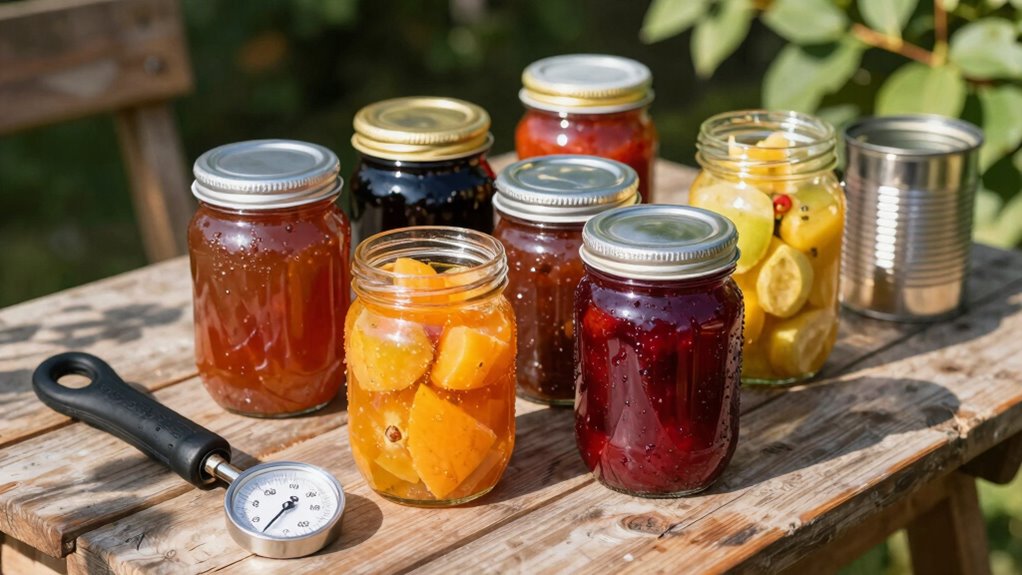
Choosing the right equipment is essential to keep your canned food safe in hot weather. The jar materials and cooling methods you choose can prevent spoilage and maintain quality. First, opt for jars made of heat-resistant glass or BPA-free plastics, which withstand temperature fluctuations without cracking. Second, use cooling techniques like placing jars in a shaded, well-ventilated area or using an insulated container during storage. Third, ensure your lids form a proper seal; high-quality metal or plastic lids are best. Fourth, consider a thermometer in your storage area to monitor temperature consistently. These steps help prevent heat-induced spoilage by maintaining stable conditions. Proper equipment and cooling methods work together to keep your canned foods safe and fresh, even in the hottest weather.
Common Mistakes That Lead to Spoilage in Summer Canning
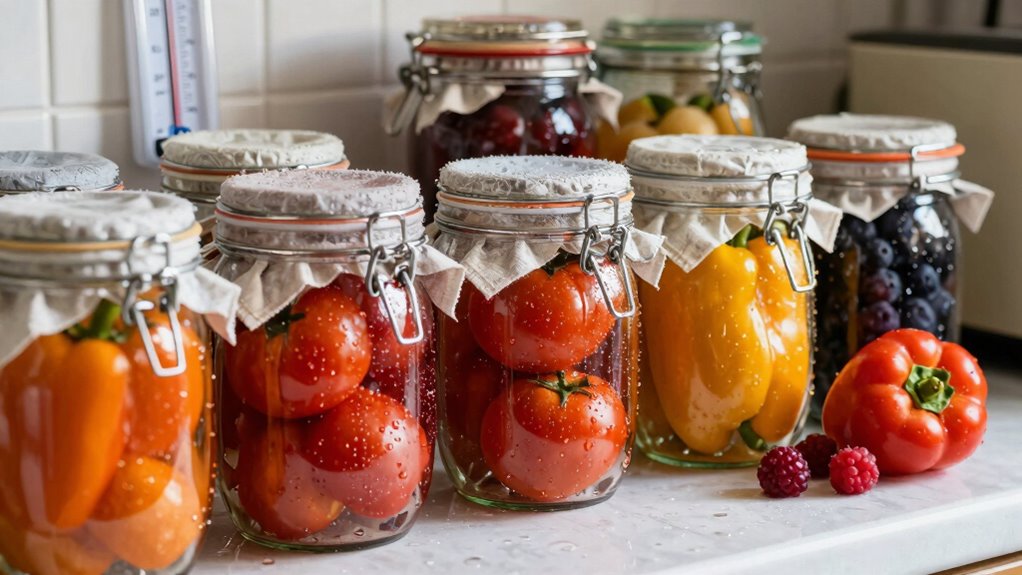
One of the most common mistakes during summer canning is rushing the process or skipping essential steps, which increases the risk of spoilage. Incorrect pH balance is a key issue; foods with a high pH require proper acidity to prevent bacteria growth. Failing to test or adjust acidity levels can lead to unsafe jars. Additionally, using the wrong jar size can cause problems—small jars may not heat evenly, while large jars might not process thoroughly, leaving spots vulnerable to spoilage. Another mistake is not following recommended processing times, especially in hot weather, where heat accelerates spoilage risks. Always make certain your jars are the appropriate size, your pH levels are correct, and you follow tested recipes to prevent spoilage and keep your canned goods safe.
Proper Storage Tips for Canned Goods in Hot Seasons
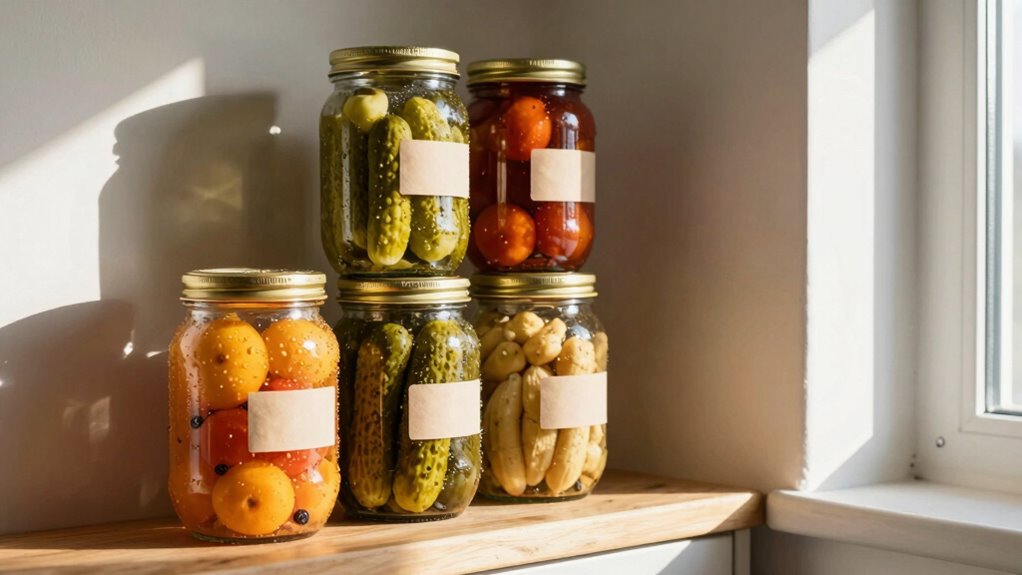
During hot seasons, proper storage of canned goods becomes essential to maintain their safety and quality. To prevent spoilage, you should keep your canned items in a cool pantry, ideally below 75°F. Confirm the storage area has proper ventilation to avoid excess heat and humidity, which can compromise seals and promote bacterial growth. Here are some key tips:
Keep canned goods cool, below 75°F, with proper ventilation to prevent spoilage during hot weather.
- Store cans away from direct sunlight or heat sources.
- Maintain consistent temperatures in your pantry.
- Check for any leaks or rust regularly.
- Organize cans so that older ones are used first, reducing long-term storage risks.
Expert Tips: Do’s and Don’ts for Summer Home Canning
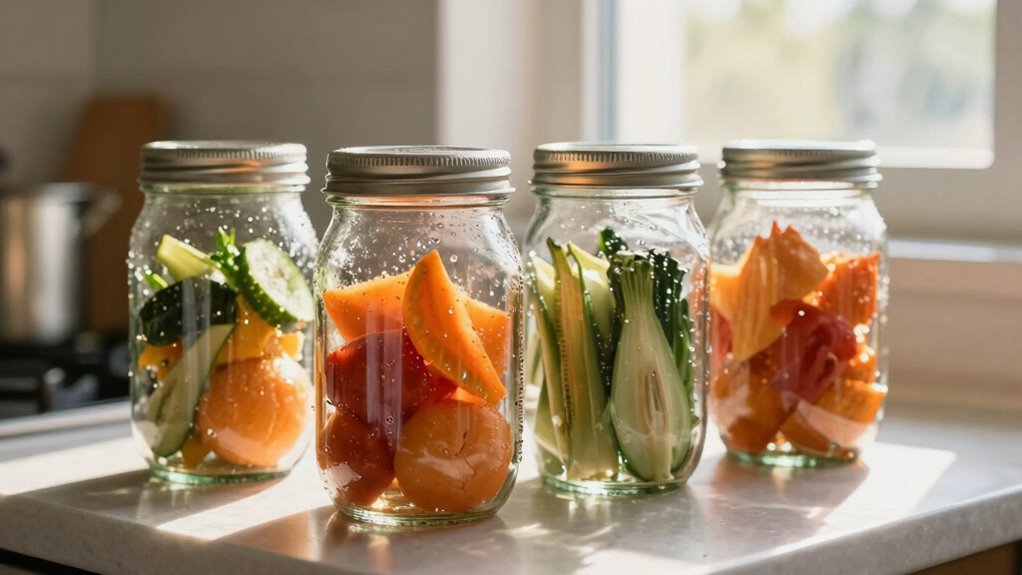
Summer home canning requires careful attention to avoid safety pitfalls, so knowing the do’s and don’ts can help you preserve your harvest effectively. Always check the pH balance of your produce; low-acid foods need proper processing to prevent spoilage. Use jar material that withstands heat, like tempered glass, to avoid breakage or leaks. Do sterilize jars thoroughly and fill them promptly to prevent bacterial growth. Don’t underestimate the impact of hot weather on processing times—adjust accordingly. Keep jars in a cool, shaded area during cooling. Here’s a quick guide:
| Do | Don’t | Tips |
|---|---|---|
| Check pH levels | Use damaged or cracked jars | Use heat-resistant jar material |
| Sterilize jars beforehand | Leave jars open after processing | Store in a cool, dark place |
| Adjust processing times | Rush the cooling process | Monitor for spoilage signs |
Following these tips helps ensure safe, delicious results.
Frequently Asked Questions
Can I Safely Can in Extreme Heat Above 100°F?
You should avoid canning in extreme heat above 100°F because maintaining proper temperature control is essential for food preservation. High temperatures can increase the risk of spoilage and bacterial growth, which compromises safety. If you must can during hot weather, do it in a cool, shaded, and well-ventilated space, and consider using a pressure canner to guarantee that the jars are processed at the right temperature, protecting your food and health.
Does Sunlight Exposure Impact Canned Food Safety in Summer?
Imagine a jar left on your sunny kitchen counter, exposed to direct sunlight. Sunlight influence and UV exposure can degrade canned food quality, promoting bacterial growth and spoilage. UV rays break down the food’s nutrients and compromise jar seals. So, in summer, avoiding sunlight exposure is essential for canned food safety. Store jars in a cool, dark place to guarantee they stay safe and fresh longer.
How Long Can Canned Goods Last During Heatwaves?
During heatwaves, canned goods typically last about one to five years if stored properly, but canning temperatures above recommended levels can accelerate spoilage. You should always check for spoilage indicators like bulging lids, leaks, or foul odors before consuming. Keep cans in a cool, dark place, ideally between 50-70°F, to extend shelf life and reduce spoilage risk caused by high temperatures.
Are There Specific Storage Containers Better for Hot Weather?
You should choose storage containers with airtight lids to keep your canned goods fresh during hot weather. BPA-free jars are a smart option, as they prevent chemical leaching and guarantee safety. These containers help maintain a consistent, cool environment, reducing spoilage risk. Always store your jars in a cool, dark place, and check lids regularly to ensure they remain airtight. This approach keeps your canned foods safe and fresh longer.
Can I Re-Can or Reprocess Spoiled Jars Safely in Summer?
Re-canning spoiled jars in summer is like trying to fix a sinking ship—it’s risky and often ineffective. For re-canning safety, make certain your jars show no spoilage indicators like mold, off-odor, or bubbling liquid. If they do, reprocessing won’t eliminate bacteria or toxins. Instead, discard spoiled jars to avoid health hazards. Remember, once spoilage signs appear, re-canning can’t guarantee safety, so it’s best to start fresh.
Conclusion
As the summer sun blazes overhead, think of your canned treasures as delicate blooms in a garden. With the right care—proper sealing, cool storage, and vigilant inspection—you’ll keep your bounty fresh and safe, even in the heat’s fiery embrace. Ignore these tips, and your efforts may wither like a flower in harsh sunlight. Stay vigilant, nurture your jars, and enjoy the sweet harvest of secure, summer-safe canning.
Fall Picks
fall essentials
As an affiliate, we earn on qualifying purchases.