To prepare for tsunamis, you should create a clear evacuation plan that includes identifying safe zones and the fastest routes away from the coast. Stay alert for warning signs like strong quakes or rapid sea receding. Pack emergency kits with essentials and develop a family communication plan. Practice drills regularly to make certain everyone knows what to do. Keep informed about alerts and community safety updates—this knowledge can be lifesaving if a tsunami occurs. Keep exploring to learn more about staying safe.
Key Takeaways
- Develop a clear evacuation plan with designated safe zones, routes, and family roles, and practice regularly.
- Monitor official alerts and stay informed about tsunami risks and early warning signs.
- Prepare emergency kits with essentials, including communication devices, water, food, and important documents.
- Identify and familiarize with the shortest, safest evacuation routes and community-designated safe zones.
- Conduct regular drills and community exercises to improve response time and ensure everyone understands safety protocols.

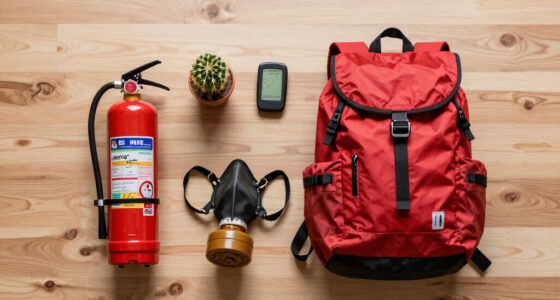
EVERLIT 72 Hours 3 Day Earthquake Emergency Kit Bugout Go Bag Emergency Kit Survival Kit Backpack for Family, Preparedness for Hurricanes, Floods, Tsunami, Other Disasters
- Survival Duration: Provides 72 hours for 2 people
- Comprehensive Emergency Kit: Includes essentials for any disaster
- Heavy-Duty Backpack: Stored in durable tactical bag
As an affiliate, we earn on qualifying purchases.
As an affiliate, we earn on qualifying purchases.
Understanding Tsunami Risks and Warning Signs
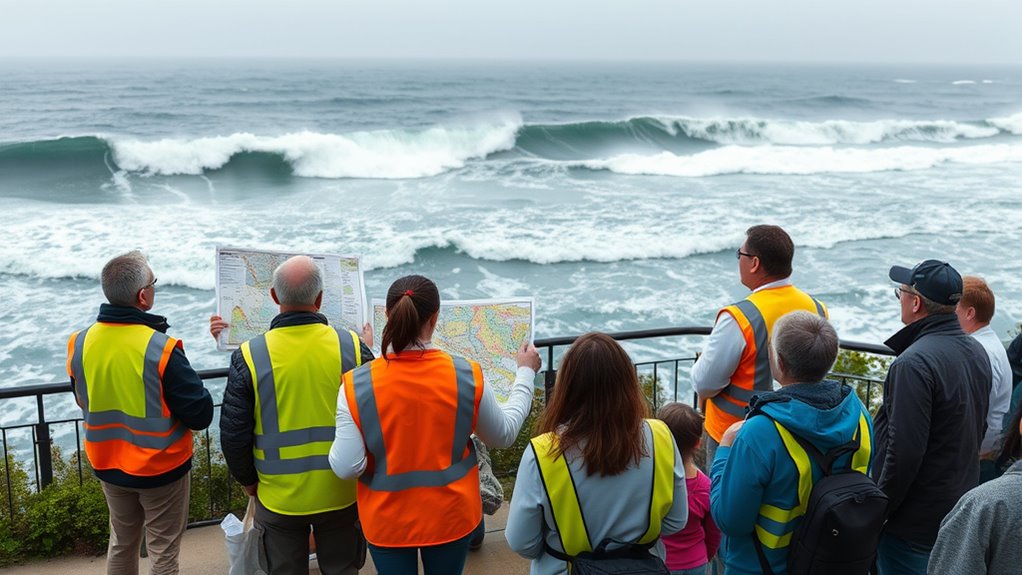
Understanding tsunami risks and warning signs is essential for your safety. Recognize that tsunami prediction relies on early warning systems that monitor seismic activity and ocean behavior. Coastal vulnerability plays a significant role; areas near fault lines or active seismic zones face higher risks. If you notice a strong earthquake, feel the ground shake intensely, or experience a rapid sea receding, these are immediate warning signs. Tsunamis often follow undersea earthquakes, but they can also result from landslides or volcanic eruptions. Stay alert to official alerts and community warnings, especially if you live in a vulnerable coastal area. Being aware of early warning systems and community plans can significantly improve your preparedness. Additionally, understanding the geological factors that contribute to tsunami formation can help you better recognize potential threats. Recognizing the warning signs promptly can make the difference between safety and danger. Regularly reviewing appliance maintenance plans for home safety can also help ensure your environment remains secure during emergencies. Understanding the impact of climate change on sea levels and storm patterns can further enhance your awareness of evolving tsunami risks. By understanding these risks and signs, you can respond quickly, minimizing danger and ensuring your safety and that of your loved ones.
Developing a Personal and Family Evacuation Plan

Have you ever thought about what you would do if a tsunami threatened your home? Developing a personal and family evacuation plan is essential. Start by establishing clear family communication methods, like a designated meeting spot and emergency contacts. Decide on when to evacuate based on official warnings and your local tsunami alert system, so you can act promptly. To make it easier, consider:
Prepare a tsunami evacuation plan with clear communication, roles, drills, and emergency kits.
- Assigning roles for each family member during an evacuation
- Practicing evacuation timing through drills
- Keeping emergency kits ready and accessible
- Familiarizing yourself with home safety features that can help protect your family during a tsunami.
Identifying Safe Zones and Evacuation Routes

To stay safe during a tsunami, you need to identify your community’s designated safe zones and planned evacuation routes before an emergency occurs. Community communication plays a crucial role in ensuring everyone knows where to go and how to get there quickly. Make sure your local authorities have clearly marked safe zones that are away from flood-prone areas, and familiarize yourself with the shortest, safest routes. Consider the environmental impact when selecting these zones; they should be accessible, stable, and able to accommodate residents efficiently. Sharing this information with family and neighbors helps create a coordinated response during an emergency. Knowing your evacuation plan in advance minimizes confusion, saves time, and increases your safety when seconds matter most. Additionally, understanding the best escape routes and safe zones can significantly improve your response during a tsunami event.
Preparing Emergency Kits and Safety Supplies

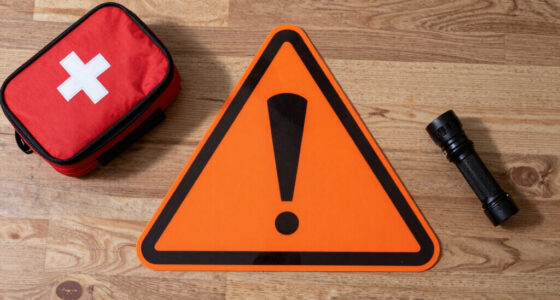
Once you know your safe zones and evacuation routes, it’s important to prepare a well-stocked emergency kit. Your kit should include essentials that keep you safe and connected during a tsunami. Pack tactical gear like sturdy gloves, a flashlight, and a multi-tool for emergencies. Guarantee your communication devices, such as a fully charged cell phone and portable charger, are ready to use. Consider adding a whistle to signal for help and a first aid kit for minor injuries. Keep enough water and non-perishable food to last several days. Don’t forget important documents stored in a waterproof container. Additionally, being aware of AI in Education developments can help you stay informed about technological advances that might assist in emergency communication or training. Modern projectors with high contrast ratios can also be useful for emergency briefings or community alerts displayed in shelters. Being familiar with disaster preparedness strategies can improve your response during an actual event. Adequate training in evacuation procedures can further enhance your safety and efficiency during a crisis. These supplies will help you stay safe, communicate effectively, and handle unexpected situations during a tsunami. Preparedness can make all the difference in an emergency.
Practicing Drills and Staying Informed
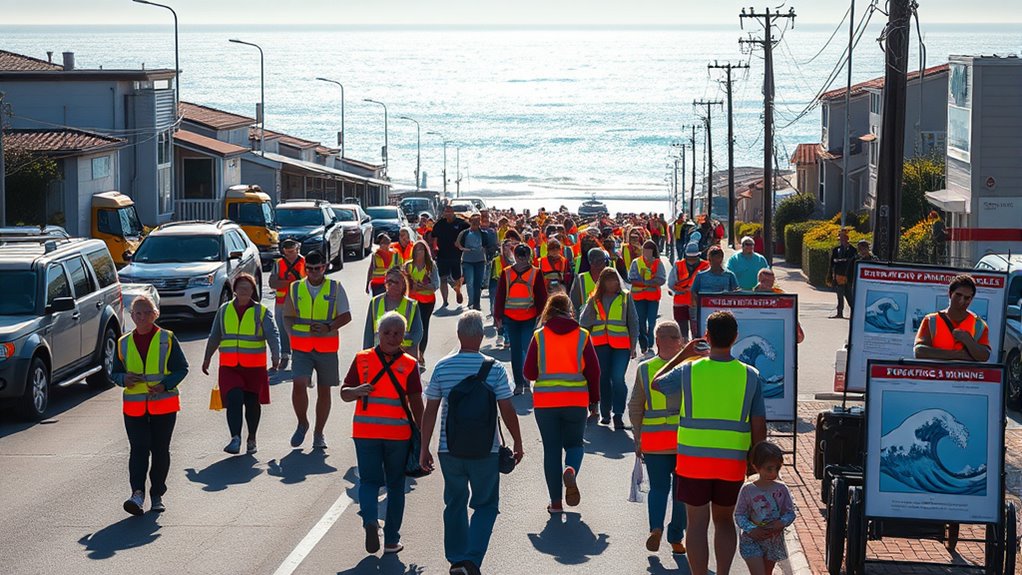
Practicing tsunami drills regularly guarantees you’re familiar with your evacuation procedures and can act quickly when an emergency arises. It’s essential to involve your community, encouraging participation to strengthen collective safety. Community engagement ensures everyone understands their roles and knows where to go. Staying informed is equally important—monitor technological alerts like sirens, text messages, and mobile notifications that provide real-time updates. Regular drills help you identify gaps in your plan and improve response times. By practicing consistently, you build confidence and reduce panic during an actual tsunami threat. Keep communication channels open, review safety protocols with family and neighbors, and stay alert to official alerts. Being prepared through drills and reliable information saves lives when a tsunami strikes. Additionally, understanding return policies at local stores can be useful if you need to replace supplies quickly in an emergency. Being aware of retirement planning strategies can also help ensure financial stability after an emergency. Incorporating emergency preparedness standards into your planning further enhances your safety measures and helps ensure compliance with local guidelines. Educating yourself about disaster supply kits ensures you have essential items ready in case of evacuation. Remember that emotional support can be vital for community resilience during disaster recovery.
Frequently Asked Questions
How Can Pets Be Safely Evacuated During a Tsunami?
When evacuating during a tsunami, you need to prioritize pet safety by keeping pets in secure carriers or harnesses. Familiarize yourself with designated evacuation routes that allow pets, and have a plan to quickly transport them to a safe location. Keep essentials like food, water, and leashes ready. Staying calm helps your pets stay calm, ensuring a safer and smoother evacuation process for everyone involved.
What Specific Communication Methods Are Most Reliable During a Tsunami Alert?
When a tsunami alert strikes, your most reliable communication methods are an emergency radio and mobile alerts. Unlike static signs or word-of-mouth, these tools provide immediate, direct updates. An emergency radio, especially a battery-powered one, keeps you informed even if power is out. Mobile alerts send notifications straight to your phone, ensuring you get timely warnings. Together, they form a crucial duo, keeping you safe and well-informed during a crisis.
How Should Vulnerable Populations, Like the Elderly or Disabled, Prepare Differently?
You should guarantee vulnerable populations, like the elderly or disabled, have personalized evacuation plans that include assistive technology, such as hearing aids or mobility devices. They need to know the locations of accessible shelters equipped to meet their needs. Encourage them to practice their evacuation routes regularly and stay connected with caregivers or support networks. This preparation helps ensure safety and quick response during a tsunami alert.
Are There Community Resources or Shelters Available for Tsunami Victims?
Did you know over 80% of communities have dedicated shelters for tsunami victims? You’ll find resources like community centers and volunteer networks ready to assist during emergencies. These shelters offer a safe space where you can seek refuge, while volunteers help coordinate evacuation and provide support. Staying informed about local resources guarantees you know where to turn if a tsunami strikes, giving you peace of mind and safety in critical moments.
How Can Urban Areas Improve Infrastructure to Reduce Tsunami Impact?
To reduce tsunami impact in urban areas, you can focus on improving infrastructure by implementing seawall enhancements that act as barriers against waves. Additionally, constructing elevated structures helps protect buildings and critical facilities from flooding. These measures create a safer environment by minimizing damage and safeguarding residents. Investing in resilient infrastructure not only diminishes risk but also ensures quicker recovery, giving you peace of mind during potential tsunami threats.
Conclusion
Being prepared can save your life. Remember, over 90% of tsunami fatalities occur when people are caught unprepared, so having a solid plan and safety supplies makes all the difference. Stay alert to warning signs, practice drills regularly, and know your safe zones. By staying informed and ready, you can protect yourself and your loved ones when it matters most. Don’t wait—prepare today to ensure your safety tomorrow.