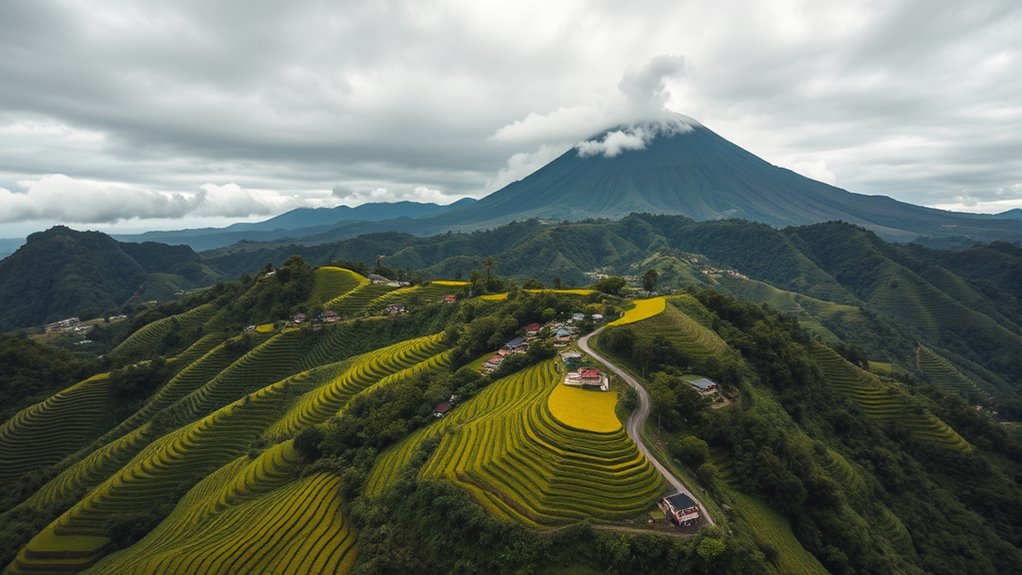

Living in Indonesia means you constantly face the risks posed by active volcanoes, which can erupt unexpectedly with lava flows, ash fall, and pyroclastic surges. You need to stay alert, monitor warnings, and have emergency plans in place to protect yourself and your community. Despite these hazards, many thrive due to fertile soil and resilient traditions. To understand how residents manage these challenges daily and stay safe, further insights await.

Get emergency and outdoor gear delivered free with Prime
- Fast, free delivery on millions of items
- Prime Video, Amazon Music and more included
- Member-only deals all year
Key Takeaways
- Indonesia’s location on the Ring of Fire causes frequent volcanic eruptions, requiring ongoing monitoring and preparedness.
- Lava flows and ash fall pose immediate dangers to communities, infrastructure, and agriculture.
- Authorities implement warning systems, evacuation plans, and community drills to enhance safety.
- Residents adapt by maintaining emergency kits, sealing homes against ash, and respecting volcanic activity patterns.
- Cultural resilience and continuous education help communities coexist safely with active volcanoes.
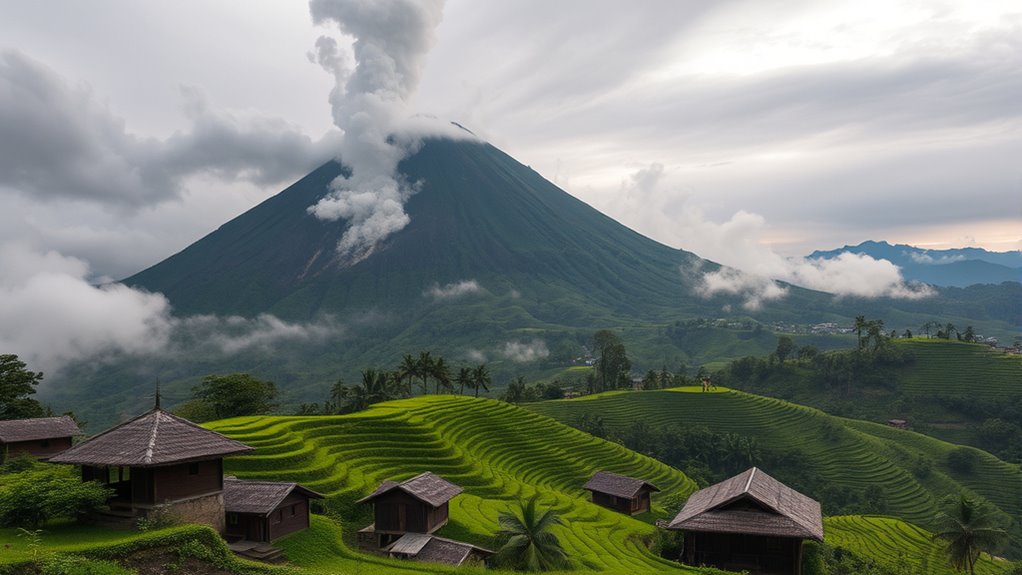
Indonesia sits on the Pacific Ring of Fire, making it one of the most volcanically active regions in the world. As you navigate this landscape, you must be aware that volcanic eruptions are a constant threat. When a volcano erupts, lava flows rapidly down its slopes, destroying everything in their path. These fiery rivers of molten rock can reach towns and farmland, forcing residents to evacuate quickly. The danger isn’t just from the lava itself; ash fall often blankets the surrounding areas, turning the sky dark and settling deep into homes, water supplies, and crops. Ash fall can cause respiratory problems, disrupt transportation, and damage machinery, making daily life a challenge for those living nearby.
Living with active volcanoes means you’re always prepared for sudden changes. Authorities monitor seismic activity closely, issuing warnings when signs point to an eruption. Still, eruptions can happen unexpectedly, so you need to have a plan in place. When an alert is issued, you should prioritize safety by moving to designated shelters or higher ground, away from flowing lava and falling ash. Protecting yourself from ash involves wearing masks and goggles, and sealing windows and doors to prevent ash from infiltrating your home. The thick layers of ash can collapse roofs if they accumulate too heavily, so knowing how to clear it safely is essential. Additionally, understanding the patterns of volcanic activity can help you anticipate potential eruptions and respond more effectively.
Always have an emergency plan and safety gear ready for sudden volcanic activity.
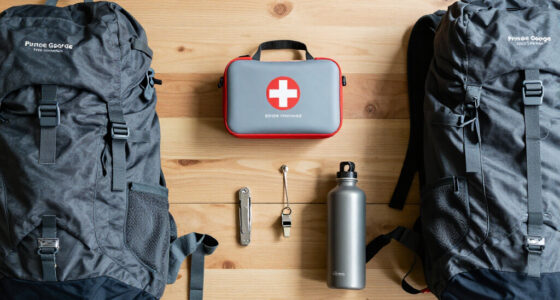
The landscape around you is both beautiful and dangerous. Volcanic mountains create fertile soil that supports lush vegetation and thriving communities, but they also pose ongoing risks. You must stay informed about the activity levels of your local volcanoes, especially during periods of increased seismic activity. It’s essential to keep emergency kits stocked with essentials like water, food, masks, and first aid supplies, ready for sudden evacuations. Community drills and education programs are indispensable in these regions, helping everyone understand the risks and response strategies.
Despite the dangers, many Indonesians view their volcanoes as part of their identity and livelihood. They adapt to living with the potential threat, respecting the power of these mountains while making preparations to stay safe. The key to coexisting with active volcanoes is awareness, preparedness, and community resilience. By understanding the patterns of lava flows and ash fall, you can better protect yourself, your loved ones, and your property. While the risk remains, the knowledge and readiness you cultivate will help you face the challenges of living in one of the world’s most volcanically active regions.
As an affiliate, we earn on qualifying purchases.
Frequently Asked Questions
How Do Locals Prepare for Sudden Volcanic Eruptions?
You stay prepared by knowing evacuation plans and participating in community training. When a volcano shows signs of erupting, you follow clear evacuation routes and move quickly to designated safe zones. Community training helps you recognize warning signs and understand how to respond effectively. Regular drills guarantee you’re ready for sudden eruptions, reducing panic and increasing safety for everyone involved.
What Are Indonesia’s Most At-Risk Volcanic Zones?
You’re in the heart of Indonesia’s most at-risk volcanic zones, where over 76 active volcanoes threaten communities. These zones, like the Ring of Fire, fuel geothermal energy and attract volcanic tourism. You can witness stunning eruptions or relax in geothermal hot springs, but must stay vigilant. Living here means balancing awe-inspiring natural power with respect for the danger, making it a unique, high-stakes environment.
How Effective Are Early Warning Systems in Indonesia?
Early warning systems in Indonesia are quite effective thanks to recent technology improvements and increased community awareness. You’ll benefit from advanced monitoring equipment that detects volcanic activity early, giving you more time to evacuate if needed. Local authorities actively educate communities about volcanic risks, ensuring you understand the alerts. While no system is perfect, these combined efforts considerably reduce your risk and help you stay safe during eruptions.
What Are the Long-Term Health Impacts of Volcanic Ash?
Long-term exposure to volcanic ash can cause serious health issues. You might experience lung damage and ongoing respiratory issues, which can lead to chronic bronchitis or asthma. Fine ash particles stay in your lungs, worsening over time if you’re regularly exposed. Protecting yourself with masks and staying indoors during ashfalls helps reduce these risks, but prolonged exposure can still have lasting health impacts that require medical attention.
How Does Volcanic Activity Affect Indonesia’s Agriculture?
Your crops thrive when volcanic activity shapes Indonesia’s land, turning it into a goldmine of volcanic soil. This nutrient-rich soil boosts agriculture, but frequent eruptions challenge crop resilience. You must adapt farming practices, taking advantage of fertile ground while managing ash fallout. Though volcanic activity can disrupt planting seasons, it ultimately sustains abundant harvests, proving that even fiery mountains can fuel your livelihood if you stay vigilant and resilient amidst the chaos.
Conclusion
Living with Indonesia’s active volcanoes means understanding the risks and respecting their power. While you can’t control nature, staying informed and prepared can make a difference. Remember, it’s better to be safe than sorry—sometimes, patience and caution are your best allies. By respecting these mighty mountains, you help protect yourself and your community. Embrace the challenge, but never underestimate the fury of these fiery giants. Stay vigilant, and you’ll weather the storm.
Fall Picks
fall essentials
As an affiliate, we earn on qualifying purchases.