
TL;DR

Get emergency and outdoor gear delivered free with Prime
- Fast, free delivery on millions of items
- Prime Video, Amazon Music and more included
- Member-only deals all year
An Outdoor Life report published Oct. 15, 2026, outlines five ways bowhunters can improve their chances of taking mature whitetail bucks from the ground. Its advice centers on natural concealment, wind direction, advance preparation, careful movement and choosing a shot only when conditions allow.
Outdoor Life published a report on Oct. 15 detailing five principles for hunting mature whitetail bucks from the ground, presenting the method as an option when hunters cannot or do not want to use a tree stand. The advice emphasizes natural cover, wind, quiet preparation and timing movement carefully; the report describes field experience, not a guarantee that ground hunting will outperform stand hunting.
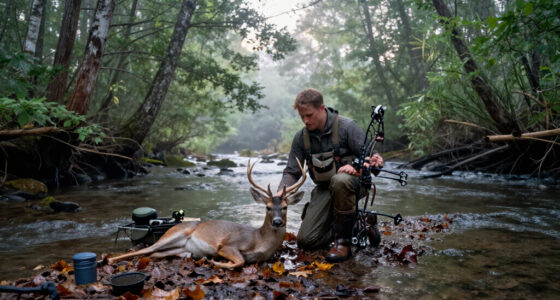
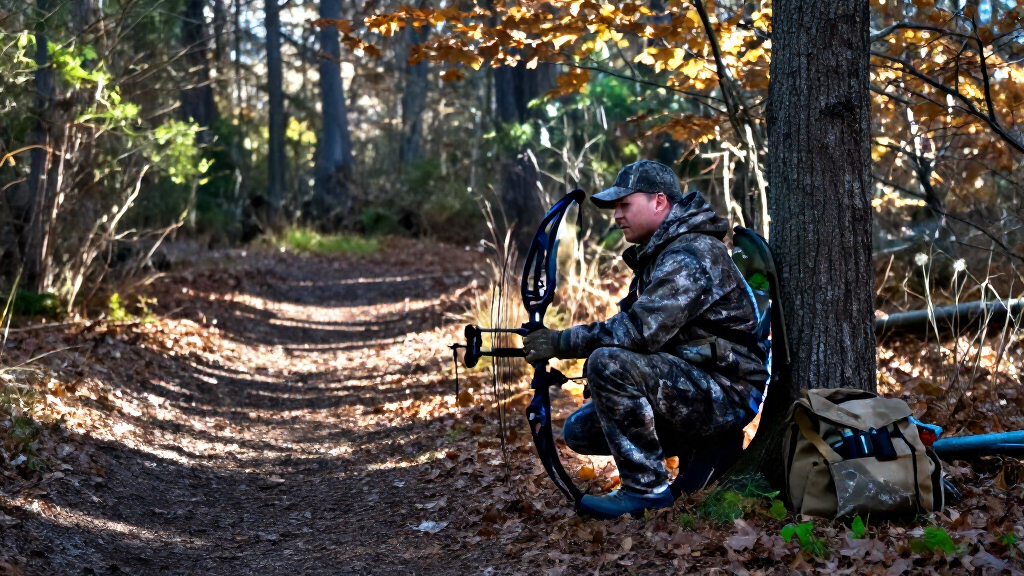
The report’s first rule is to use natural cover strategically. A fallen tree, root wad or other existing feature can conceal a hunter while preserving a view of nearby trails. The author describes lying along a storm-felled tree and using its root mass as a screen, rather than relying on a portable blind. He notes that blinds are available, but says natural cover can be more practical when deer are moving unpredictably during the rut.
Second, set up with the wind in mind. In the account, the author positioned himself upwind of a well-used trail and placed estrus-scent drippers near likely approaches. Those details, he said, gave him opportunities to draw without being seen. Scent products and placement are part of his specific account; the report does not establish that they will produce the same result in other locations or conditions.
The other principles are to prepare for quiet movement, watch for a buck’s attention to shift, and wait for a responsible shot. The author cleared crunchy leaves around his bow before settling in, then moved only after the approaching deer was screened by the root wad. He drew as the buck investigated a dripper and shot it through the lungs as it walked. The deer traveled about 40 yards before falling, according to the report.
When Ground Setups Make Sense
Ground hunting offers an alternative when suitable trees are absent, a hunter has no stand in place, or using one is not preferred. It can also allow a hunter to use cover close to a trail, though the same proximity can make concealment and movement difficult. The report’s practical value lies in its focus on setup choices a hunter can control: where to sit, how to manage noise, and when to move.
The author cautions against treating the method as inherently better. He says ground hunting is not necessarily more effective most of the time, and describes his successful hunt as a case where several factors aligned. That distinction matters: a single account can illustrate an approach, but it cannot establish a general success rate or replace local knowledge and safe, ethical shot judgment.
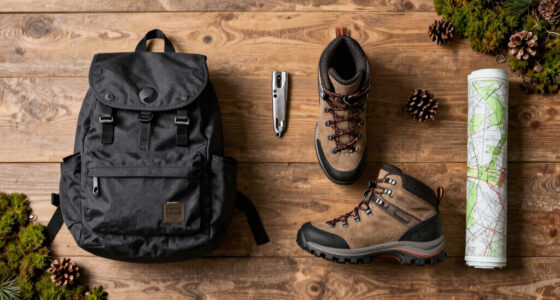
ground hunting camouflage clothing
As an affiliate, we earn on qualifying purchases.
As an affiliate, we earn on qualifying purchases.
A Field Account Behind the Advice
The report recounts the author’s bowhunt for a large non-typical buck during the rut. He was positioned beside a ridgeline trail in the early afternoon, with rubs nearby and visibility across the ridge. He said rutting bucks may travel high trails while seeking the scent of does, and chose a setup intended to cover possible approaches from more than one direction.
When a buck appeared, the author used the fallen tree to remain screened, drew as it sniffed a scent dripper, and made a lung shot. The buck was later scored at 154 inches and change, according to the article. The report also cites Jim Brush and George Mann as experienced ground hunters, describing approaches that included using blowdowns, chairs, rattling antlers and cleared shooting lanes. These examples provide context, but the central advice remains based on individual hunting experience.
““It’s not necessarily more effective most of the time.””
— Outdoor Life author
What One Hunt Cannot Establish
The report does not provide comparative data on success rates for ground hunting and tree stands, or define how often the described tactics work. The author’s buck and other hunters’ examples are individual experiences, not controlled evidence. Local terrain, wind shifts, deer behavior, visibility and hunting regulations may all affect whether a setup is appropriate.
It is also unclear from the report how broadly scent drippers or rattling tactics would apply across regions and seasons. The author acknowledges that hunts often do not go as planned, whether he is in a tree or on the ground. Readers should treat the five principles as field guidance, not a promise of a particular outcome.
Applying the Rules in the Field
The article does not announce a follow-up study or additional reporting. For hunters considering the approach, the next step is to assess the specific site: identify natural concealment, check wind direction, select a position with a safe view and clear shooting opportunities, and prepare equipment to reduce noise before deer arrive. Hunters should follow local laws and make shots only when they can identify the target and judge the shot as safe and responsible.
Conditions can change, so a setup should be reconsidered if the wind shifts, visibility is poor or deer approach from an unexpected direction. The report’s central practical point is to choose a position that allows the hunter to remain concealed and still, while recognizing that no setup can control how a buck will move.
Key Questions
Can hunters take mature bucks from the ground?
Yes. The Outdoor Life report describes ground hunting as a viable alternative when a tree stand is unavailable or unsuitable, while cautioning that it is not necessarily more effective.
What natural cover does the report recommend?
The author describes using a fallen tree and its root wad for concealment. Other cover will depend on the terrain and whether it provides a safe, clear view.
Why does wind direction matter?
The author says he set up upwind of the trail the buck used. Wind and scent conditions can vary, so the account does not guarantee that the same placement will work elsewhere.
How can a hunter reduce noise in a ground setup?
In the account, the author cleared crunchy leaves around his bow before the deer arrived, making it easier to move quietly when an opportunity developed.
Does the report show that ground hunting is better than using a stand?
No. The author explicitly says ground hunting is not necessarily more effective most of the time. The report offers practical advice and personal examples, not a comparison of success rates.
Source: rss
Halloween Picks
halloween
As an affiliate, we earn on qualifying purchases.