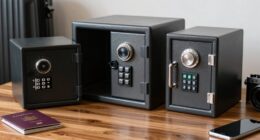
To build a safe room or shelter, guarantee it has reliable, independent ventilation with filters and backup power to keep fresh air flowing during emergencies. Stock supplies like water, food, first aid, and hygiene items for all occupants. Design a sturdy, accessible space with reinforced walls and a secure door, and test ventilation systems beforehand. Regularly check and restock supplies, and practice access procedures to stay prepared for any situation. Explore more to strengthen your safety plan.
Key Takeaways
- Install reliable, independent ventilation with filters and backup power to ensure continuous airflow during emergencies.
- Reinforce walls and doors of the safe room for added safety and security.
- Stock essential emergency supplies such as water, food, first aid kits, and medications for quick access.
- Design the safe room for easy access, proper ventilation installation, and organized storage of supplies.
- Regularly inspect, maintain, and practice using the safe room and its systems to ensure readiness.

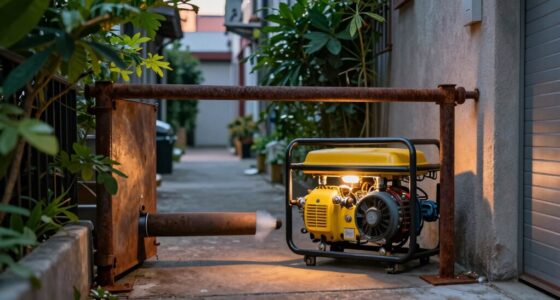
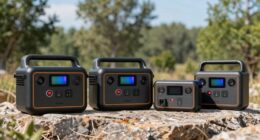
Building a safe room can provide peace of mind during emergencies, but it requires careful planning and execution. One of the most critical aspects of designing a secure and comfortable space is guaranteeing proper ventilation. Without adequate airflow, you risk breathing stale air or, worse, suffocating if a hazardous event occurs and the room seals tightly. To prevent this, install a reliable ventilation system that can operate independently of your main HVAC. Consider adding vent openings fitted with filters or air exchange units that can be sealed during a crisis, such as a chemical spill or biological threat. This way, fresh air circulates continuously, keeping oxygen levels stable and reducing the buildup of carbon dioxide or other contaminants. Make sure the ventilation system is easy to operate and maintain, with filters that can be replaced as needed, and incorporate backup power sources like batteries or generators to keep it running during power outages. proper ventilation is essential for maintaining a safe and breathable environment in your shelter.
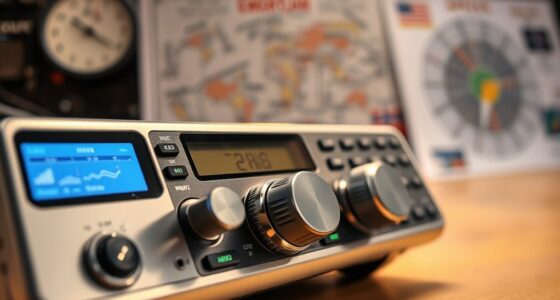
Equally important is stocking your safe room with essential emergency supplies. When emergencies strike, quick access to supplies can be lifesaving, so plan your storage carefully. Keep a well-organized kit containing water, non-perishable food, first aid supplies, and any necessary medications. Don’t forget to include personal items like blankets, hygiene products, and a flashlight with extra batteries. It’s wise to have a portable radio to stay informed about the situation outside, especially if communication lines are disrupted. Remember, the supplies you choose should be tailored to your specific needs and the number of people expected to use the room. Regularly check expiration dates and restock items to guarantee everything remains usable.
When building your safe room, integrate these elements seamlessly into your overall design. Create a dedicated space that’s easily accessible yet secure, with reinforced walls and a sturdy door. Make sure ventilation systems are properly installed and tested before an emergency occurs, and keep emergency supplies in a designated, easy-to-reach spot. Practice how you’ll access and use these supplies, so you’re prepared when disaster strikes. This preparation not only enhances your safety but also gives you confidence knowing you’ve taken proactive steps to protect yourself and your loved ones during unpredictable events. Proper ventilation and well-stocked supplies form the backbone of an effective safe room, ensuring it functions as a true haven when you need it most.

AMIR Portable Safe Box, Combination Security Case LockBox with Code, Waterproof Anti-Theft Mini Travel Safe Box with Removable Chain, Portable Lock Box for Home, Office, Christmas
Waterproof and Robust Materials: The portable security case is made of high-strength ABS plastic shell, lightweight and practical....
As an affiliate, we earn on qualifying purchases.
Frequently Asked Questions
What Are the Best Materials for Soundproofing a Safe Room?
You should use dense insulation materials like mineral wool or acoustic foam for soundproofing your safe room. Combine these with soundproof drywall and mass-loaded vinyl to block noise effectively. Use soundproofing techniques such as sealing gaps and installing resilient channels to prevent sound leaks. These insulation materials and techniques create a barrier that minimizes noise transmission, keeping your safe room quiet and secure from external sounds.
How Does Ventilation Impact Safety and Comfort in a Shelter?
Poor ventilation can cause discomfort and health risks in your shelter. For example, if airflow efficiency isn’t maintained, stale air and odors build up, making it hard to breathe. Proper ventilation improves airflow efficiency and odor control, ensuring fresh air circulates and toxins are removed. This keeps your shelter safe and comfortable, especially during extended stays. Prioritize a well-designed ventilation system to protect your health and enhance your shelter experience.
Can a Safe Room Be Portable or Easily Relocated?
Yes, a safe room can be designed as portable, but you’ll face relocation challenges. A portable design allows you to move it if needed, but it requires careful planning to guarantee stability, ventilation, and security are maintained during relocation. You’ll need to take into account how to anchor it safely and how to handle utilities, which can complicate the process. Proper planning helps you balance portability with safety and functionality.
What Are the Legal Requirements for Building a Safe Room?
You need to guarantee legal compliance before building your safe room, which means checking local building codes and regulations. Obtain the necessary building permits from your city or county authorities, as these are mandatory for legal construction. Meeting safety standards and inspection requirements is essential. Failing to secure permits or comply with regulations could lead to fines or having to dismantle your safe room later. Always verify requirements beforehand to stay compliant.
How Should Emergency Supplies Be Stored Inside a Safe Room?
You should store emergency supplies in an organized, easily accessible manner inside your safe room. Keep emergency food and water purification supplies close at hand, ensuring they’re sealed and labeled clearly. Use sturdy containers to prevent spills and damage. Consider adding a small first aid kit and batteries. Keep everything dry and well-ventilated, so your supplies stay fresh and ready, offering peace of mind when you need it most.

DocSafe Fireproof Document Bag (5200℉) with Fireproof Organizer Travel Case,Heat Insulated Fire&Water Resistant 8 Layers Safe Money Bag Storage for Important Documents,Cash,Power Bank,Valuables,Gray
5200°F Fireproof Resistant Insulation Protection: DocSafe 5200°F fireproof document bags are made of 10mm premium fire-retardant, non-itchy silicone-coated...
As an affiliate, we earn on qualifying purchases.
Conclusion
Building a safe room might seem like a big project, but it’s worth it for your peace of mind. Sure, it takes some effort and planning, but you don’t need to be a construction pro to get started. Think of it as investing in your safety and comfort. When emergencies strike, you’ll be glad you took the steps now. After all, feeling secure in your home makes everything else a little easier.

Waterproof Lock Box, Portable 4-Digit Combination Safe Boxes with Removable Cable, Anti-Theft Small Security Lockbox, Resettable Code Cash Case, Outdoor Key Hider for Travel, Gym, Hotel, Dorm, Beach
Waterproof Top Security: 4-digit portable lock box with removable hardened steel cable, 10,000 possible combinations, easy to read,...
As an affiliate, we earn on qualifying purchases.

Lewis N. Clark Safebox Portable Safe with Anti Theft Combination Lock and Slash Resistant Material to Protect Wallet, iPhone and Valuables at the Beach, Pool, Camping + Hotel, Small
PORTABLE SAFE: Secura Lock Technology with a 3-digit resettable combination lock (no key) so you can secure it...
As an affiliate, we earn on qualifying purchases.