To protect your property with fire-resistant landscaping, focus on using native plants that are drought-tolerant and less flammable. Incorporate hardscaping like stone pathways and fire-resistant mulches such as gravel to create a natural fire barrier. Maintain a defensible space by clearing dead debris and using proper irrigation to keep plants healthy and hydrated. Choosing fire-resistant materials for structures can also reduce risk. Continue exploring ways to make your landscape safer and more resilient.
Listen free for 30 days with Audible
Thousands of audiobooks and originals — cancel anytime.
As an affiliate, we earn on qualifying purchases.
Key Takeaways
- Incorporate native, fire-resistant plants and maintain healthy vegetation to reduce dry, combustible material.
- Use inorganic mulches like gravel and stone to create fire-resistant ground covers.
- Install hardscaping elements such as stone pathways and retaining walls as physical fire barriers.
- Maintain a defensible space by clearing dead vegetation, fallen leaves, and debris around structures.
- Implement proper irrigation systems to keep plants hydrated and less susceptible to ignition during fires.
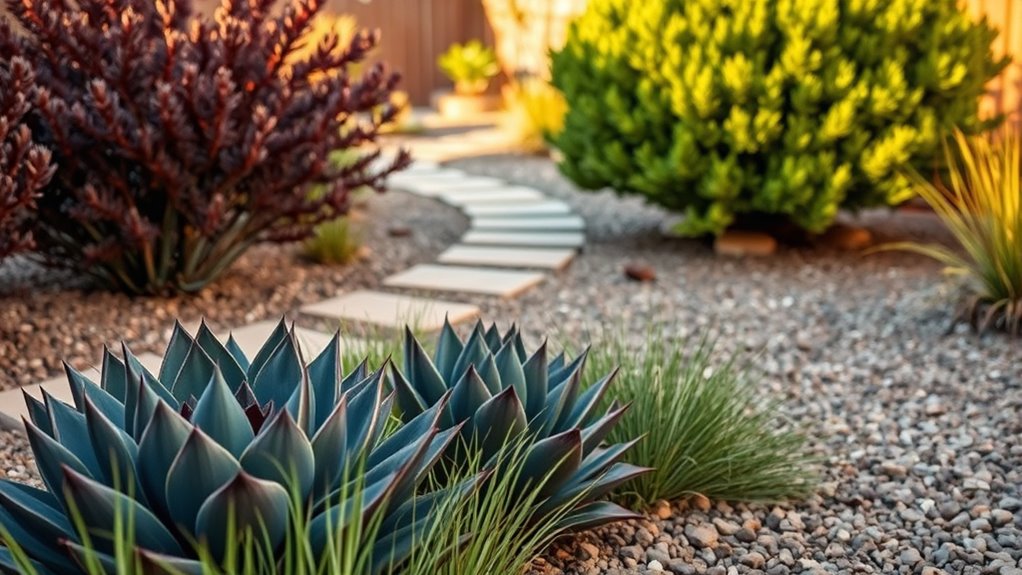
When planning your landscape, choosing fire-resistant plants and materials can considerably reduce the risk of wildfire damage. One of the most effective strategies involves selecting native plants, which are naturally adapted to your region’s climate and soil. These plants tend to be less flammable because they’ve evolved to survive in the local environment, often requiring less watering and fertilizer, which decreases the risk of dry, combustible material building up around your property. Native plants also support local ecosystems, attracting beneficial insects and pollinators, and they typically grow more robustly with less maintenance, making your landscape more resilient and easier to manage in fire-prone areas.
In addition to choosing native plants, integrating well-designed irrigation systems plays a vital role in fire-resistant landscaping. Proper irrigation keeps plants healthy and reduces the amount of dry, dead vegetation that can act as fuel during a wildfire. Drip irrigation or soaker hoses are especially effective because they deliver water directly to the roots, ensuring your plants stay lush without excess runoff or evaporation. Regular watering is essential, particularly during drought conditions, to maintain the moisture content of your landscape. When your plants are well-hydrated, they’re less likely to become ignitable, and this simple step can considerably slow the spread of fire should it occur. An irrigation system also promotes uniform watering, preventing patchy dry areas that could serve as fire pathways.
Beyond plants and watering, consider the materials used in your landscape design. Fire-resistant mulches, such as gravel or inorganic mulches, don’t ignite easily and can serve as a buffer around your home. Hardscaping elements like stone pathways, patios, and retaining walls not only add aesthetic appeal but also create physical barriers that help contain fires and prevent their spread to structures. Keep in mind that maintaining a defensible space around your property is fundamental. Clear away dead vegetation, fallen leaves, and other combustible debris regularly, especially near native plant beds and along your irrigation lines. This reduces the chances of fire igniting and spreading through your landscape. Additionally, choosing fire-resistant materials for structures and landscape features can further enhance your property’s fire resilience.
fire-resistant landscaping plants
As an affiliate, we earn on qualifying purchases.
As an affiliate, we earn on qualifying purchases.
Frequently Asked Questions
How Often Should Fire-Resistant Plants Be Pruned?
You should prune fire-resistant plants every 6 to 12 months to maintain their effectiveness. Regular pruning encourages healthy growth and prevents dead or overgrown branches that could fuel a fire. By sticking to this pruning frequency, you support plant health and guarantee they stay manageable and attractive. Keep in mind, the specific needs may vary depending on the plant type, so observe and adjust as needed for essential safety and vitality.
Are Synthetic Mulch Options Fire-Resistant?
Synthetic mulch can be a smart, safe choice for fire safety, especially if it’s labeled flame retardant. These options are designed to resist ignition and reduce fire risks, making them a popular part of strategic landscape design. By choosing fire-resistant synthetic mulch, you can prevent pesky fires from spreading, protect your property, and promote peaceful, protected planting. Prioritize flame-retardant products for safer, more secure surroundings.
What Are the Best Materials for Fire-Resistant Fencing?
You should choose fencing made from fireproof materials like metal, brick, or concrete to guarantee maximum fencing durability and fire resistance. These materials resist heat and flames better than wood or vinyl, providing stronger protection during wildfires. Metal fencing is especially durable and low-maintenance, while brick and concrete offer excellent fireproof qualities. By selecting these options, you enhance your property’s safety and create a reliable barrier against fire hazards.
How Do Climate Changes Affect Fire-Resistant Landscaping?
Climate changes impact fire-resistant landscaping by making you adapt your plants for better climate adaptation and drought resilience. You’ll need to choose native, drought-tolerant species that withstand higher temperatures and reduced rainfall. Regularly maintain your landscape to prevent dry, combustible debris. By selecting resilient plants and adjusting your watering habits, you help reduce fire risk and create a sustainable, fire-resistant environment that copes effectively with changing climate conditions.
Can Fire-Resistant Landscaping Increase Property Value?
Sure, fire-resistant landscaping can boost your property value—if you enjoy bragging about your commitment to fire safety and clever landscaping design. It shows you’re proactive about safety, which buyers appreciate. Plus, a well-designed yard reduces fire risk, making your home more appealing. So, yes, investing in fire-resistant landscaping not only protects your property but can also give your home a competitive edge on the market.
Conclusion
By choosing fire-resistant plants and creating a defensible space around your home, you can substantially reduce fire risks. Some might think it’s too much effort, but it’s a small investment that pays off by protecting your loved ones and property. Don’t wait until fire danger is imminent—start implementing these strategies now. With a proactive approach, you’ll enjoy peace of mind and a safer home, no matter what fire season brings.
Flea & tick season Picks
flea and tick prevention
As an affiliate, we earn on qualifying purchases.