Growing your own food in small spaces is a practical way to enjoy fresh produce without needing a yard. Use containers with good drainage and select high-yield, compact plants like herbs, cherry tomatoes, or peppers. Position your containers where they get plenty of sunlight or add grow lights if needed. Vertical gardens and smart spacing maximize limited room. Keep plants well-watered, prune regularly, and fertilize organically for best results. To discover simple tips and tricks, keep exploring more ways to optimize your tiny garden.
Key Takeaways
- Use containers with proper drainage and high-quality soil to grow herbs, vegetables, and fruits in limited spaces.
- Position containers where they receive at least six hours of sunlight daily or supplement with grow lights.
- Maximize space by implementing vertical gardening with wall planters, hanging baskets, or trellises.
- Regularly check soil moisture, water as needed, and use mulch to retain moisture and reduce weeds.
- Choose compact, high-yield plant varieties suited for small environments to ensure continuous harvests.

Growing your own food in small spaces is a practical and rewarding way to enjoy fresh produce without a large backyard. Whether you live in an apartment, a condo, or a cozy house with limited outdoor space, urban gardening offers a fantastic solution. You don’t need acres of land to cultivate herbs, vegetables, or fruits. Instead, you can leverage container planting—using pots, buckets, or other containers—to turn even the tiniest balcony or patio into a productive garden. This approach maximizes your space and makes gardening accessible regardless of your living situation.
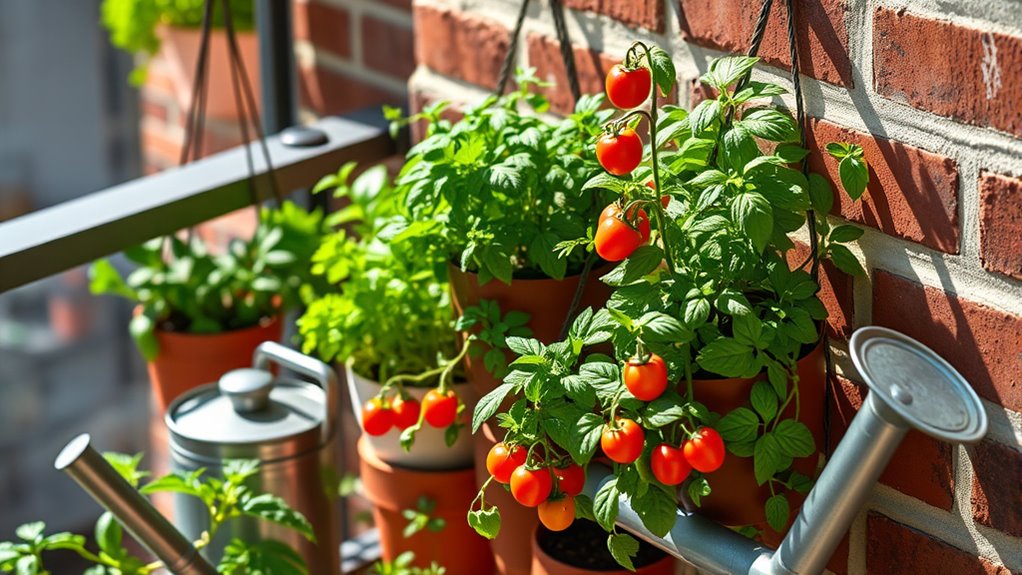
When you start with container planting, choose containers that provide adequate drainage and enough room for root growth. Consider using pots made of materials like clay, plastic, or fabric, depending on your climate and aesthetic preferences. Fill them with high-quality soil designed for container gardening, which retains moisture but drains well. To optimize your urban gardening efforts, select compact, high-yield varieties suited for container life, such as cherry tomatoes, lettuce, herbs like basil and mint, or peppers. These plants thrive in small spaces and typically produce abundant harvests.
Placement is key in small-space gardening. Position your containers where they’ll receive sufficient sunlight—ideally six hours or more daily. Balconies facing south or west tend to get the most sun, but if sunlight is limited, consider using grow lights. Vertical gardening techniques can also help you make the most of limited space. Installing wall planters or hanging baskets allows you to grow strawberries, herbs, or even small greens vertically, freeing up valuable floor space and creating an eye-catching display.
Watering and maintenance are straightforward with container gardening, but they require consistency. Containers tend to dry out faster than garden beds, so check moisture levels regularly and water when the top inch of soil feels dry. Use mulch or gravel on top of the soil to help retain moisture and keep weeds at bay. Regular pruning and harvesting encourage continuous growth, and fertilize your plants with organic options to ensure they stay healthy and productive.
Growing your own food in small spaces not only saves money and provides fresh ingredients but also offers a satisfying way to connect with nature. With a little planning and some creativity, urban gardening and container planting can transform even the tiniest spot into a lush, productive oasis. It’s about making the most of what you have, turning limited space into a source of fresh, homegrown food that’s both easy and enjoyable to cultivate. Additionally, incorporating local plant varieties can help ensure your crops are well-suited to your climate and growing conditions.
Frequently Asked Questions
What Are the Best Containers for Small Space Gardening?
You should choose containers like raised beds, window boxes, or large pots for small space gardening. These work well for companion planting and allow you to add soil amendments easily. Make sure your containers have drainage holes, and use quality soil to promote healthy root growth. Regularly refresh your soil with amendments to keep nutrients available for your plants, ensuring a thriving, productive garden even in limited space.
How Do I Ensure Proper Pollination in Limited Spaces?
To guarantee proper pollination in limited spaces, you should encourage pollination methods like hand pollination or using small bee attractants. Plant flowers that attract bees nearby, and consider placing a small bee house to draw in pollinators. You can also gently shake flowering plants to mimic natural pollination. These strategies increase fruit and vegetable yields, making your small garden more productive and thriving.
What Are Low-Maintenance Crops Suitable for Small Gardens?
You can grow low-maintenance crops like lettuce, radishes, and herbs, which thrive with minimal effort. Companion planting boosts soil fertility and naturally deters pests, making your garden more resilient. Believe it or not, these simple plants often require less watering and care, proving that you don’t need a green thumb for success. Keep your garden diverse and healthy, and these crops will reward you with fresh produce with little fuss.
How Can I Extend the Growing Season Indoors?
To extend your growing season indoors, you should focus on season extension techniques like using grow lights and maintaining consistent indoor temperatures. Invest in good indoor lighting, such as LED grow lights, to supplement natural sunlight and encourage healthy growth. Keep your plants in a warm, stable environment, and consider using grow tents or microclimates to protect against temperature fluctuations. This way, you can enjoy fresh produce year-round.
What Are Eco-Friendly Pest Control Options for Small Gardens?
You can use eco-friendly pest control options like companion planting, which naturally repels pests, and natural repellents such as neem oil or garlic spray. Plant herbs like basil and marigolds alongside your vegetables to deter insects. Regularly inspect your garden, remove pests by hand, and encourage beneficial insects like ladybugs. These methods keep your garden healthy without harmful chemicals, making your small space more sustainable and productive.
Conclusion
Growing your own food in small spaces is like planting a tiny seed that, with care, can bloom into a vibrant, nourishing garden. Just last summer, I squeezed herbs onto my apartment balcony, and now I enjoy fresh basil every day—proof that even a small patch can yield big rewards. Remember, your space may be limited, but your potential to grow food is limitless. With patience and effort, you can turn any corner into a lush, edible haven.