
TL;DR
This article explains the key considerations preppers should make when selecting metal water bottles, emphasizing material, construction, and functionality. It highlights why metal is preferred over plastic for survival situations.
Preppers should prioritize metal water bottles over plastic for emergency kits due to their durability, heat resistance, and fire compatibility, confirmed by survival experts.
Metal water bottles, especially stainless steel, are favored by preppers because they can withstand high heat, be boiled directly over open flames, and resist physical damage, unlike plastic bottles which deform or leach chemicals when heated. The two main metals used are stainless steel and aluminum, with stainless steel being more durable and maintenance-free, while aluminum offers weight savings but often relies on interior liners that can degrade over time.
There are two key configurations: single-wall bottles, which are lightweight and suitable for boiling water, and double-wall vacuum-insulated bottles, which retain temperature longer but cannot be exposed to direct flame. Most preppers should own both types to cover different scenarios, such as boiling water in the field and maintaining hot or cold beverages during extended operations.
Important features include wide-mouth openings for easier filling and cleaning, reliable screw-top lids, and interior surfaces free of coatings or liners to prevent contamination or failure. Proper inspection and maintenance of aluminum bottles are essential to prevent liner degradation, which exposes the metal to corrosion and potential taste issues.
Why Metal Water Bottles Are Critical for Survival Readiness
Choosing the right metal water bottle enhances a prepper’s ability to purify, store, and carry water reliably in emergency situations. Metal bottles’ heat resistance allows boiling for pathogen elimination, a key survival tactic confirmed by CDC guidelines. Durability against physical damage ensures longevity and reduces replacement costs, making them a vital component of comprehensive preparedness plans. Proper selection and maintenance of these bottles can significantly impact water safety and overall survival efficiency.
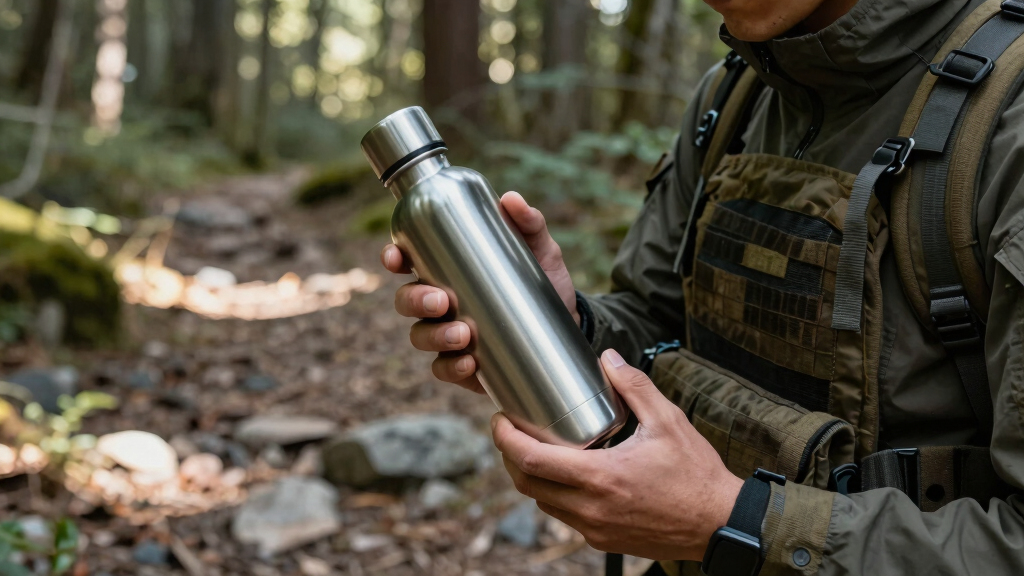
stainless steel metal water bottle for camping
As an affiliate, we earn on qualifying purchases.
As an affiliate, we earn on qualifying purchases.
Metal Water Bottles in Prepping: Material and Design Choices
Preppers have increasingly adopted metal water bottles due to their superior heat resistance and durability compared to plastic. Historically, plastic bottles have been standard for everyday hydration, but they fail under high heat and physical stress. Experts from Ask a Prepper emphasize that metal bottles, especially stainless steel, are better suited for emergency conditions because they can be boiled directly, withstand rough handling, and do not degrade from UV exposure. The choice between stainless steel and aluminum depends on weight considerations and maintenance preferences, with stainless steel generally recommended for its robustness and ease of care.
Additionally, understanding the differences between single-wall and double-wall insulated models helps preppers select the right tool for their specific needs, whether for boiling water or maintaining temperature during extended operations. Proper inspection of interior linings in aluminum bottles is crucial to avoid failure over time.
“Metal water bottles fix all of that, and they do it without the weight penalty people assume they carry.”
— Ask a Prepper
Remaining Questions About Metal Water Bottles for Preppers
It is not yet clear which specific brands or models offer the best durability and leak resistance in real-world conditions. Long-term performance of interior liners in aluminum bottles remains uncertain, and the impact of frequent thermal cycling on different metal types needs further study. Additionally, the optimal size and features for various prepping scenarios are still debated among experts.
Next Steps for Preppers Considering Metal Bottles
Preppers should evaluate their specific needs—boiling water, temperature retention, weight constraints—and select both single-wall and double-wall bottles accordingly. Regular inspection of aluminum bottles for liner damage and proper cleaning will extend their lifespan. Manufacturers may release new models with improved features, so staying updated on product reviews and testing results is advisable. Preparing a maintenance routine will ensure these bottles remain reliable in emergency situations.
Key Questions
Can I boil water directly in a plastic bottle?
No, plastic bottles deform and can leach chemicals when exposed to heat, so they are not suitable for boiling water in a survival situation.
Is stainless steel better than aluminum for preppers?
Generally, yes. Stainless steel is more durable, requires less maintenance, and does not need interior liners, making it a more reliable choice for long-term use and boiling water.
What features should I look for in a metal water bottle?
Look for wide-mouth openings, reliable screw-top lids, interior surfaces free of coatings or liners, and sturdy construction suitable for both field use and temperature retention.
Are vacuum-insulated bottles safe for boiling water?
No, vacuum-insulated bottles are not designed to withstand direct flames or high heat, so they should not be used for boiling.
How often should I inspect my aluminum water bottle?
Regularly check for signs of liner degradation, corrosion, or damage, especially if the bottle is used frequently or exposed to harsh conditions.
Source: Ask a Prepper