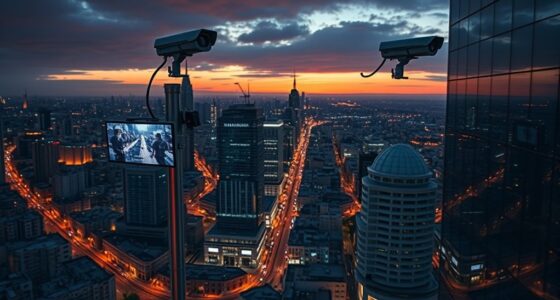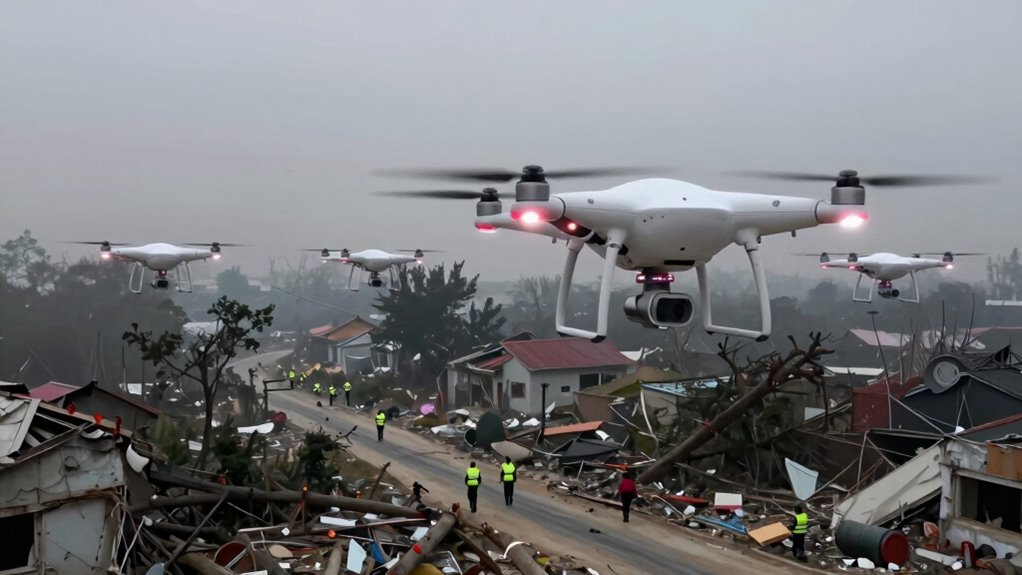

When using drones in disaster response, you must follow strict legal requirements like obtaining permits, registering your drone, and respecting airspace restrictions. Ethically, you should prioritize safety, privacy, and transparency, avoiding unnecessary data collection or sharing. Balancing urgent rescue efforts with respect for individual rights can be challenging, but establishing clear policies and permissions guarantees responsible operations. Staying informed about regulations and ethical standards helps you avoid crossing critical lines—more details will help you maintain responsible drone use in emergencies.
Open a free Amazon Business account
Business pricing, bulk buying and tax-exempt orders.
As an affiliate, we earn on qualifying purchases.
Key Takeaways
- Operators must obtain necessary permits and adhere to airspace regulations to avoid legal liabilities during disaster drone missions.
- Respect privacy rights by avoiding unnecessary data collection, ensuring transparency, and implementing secure data handling protocols.
- Clear communication with authorities and communities about drone purpose, flight zones, and timing is essential for legal compliance.
- Ethical drone use prioritizes public safety and rescue efforts while safeguarding personal privacy and avoiding data misuse.
- Regular training, audits, and compliance with evolving regulations help maintain responsible and lawful disaster drone operations.
drone permits for disaster response
As an affiliate, we earn on qualifying purchases.
As an affiliate, we earn on qualifying purchases.
What Are the Legal Requirements for Drones in Disaster Response?

Have you ever wondered what legal hurdles you might face when deploying drones for disaster response? Understanding the legal frameworks surrounding drone technology is vital. Most countries require operators to obtain specific permits or certifications before flying in disaster zones. Regulations often specify where and when you can fly, especially over populated areas or sensitive sites. You’ll need to adhere to privacy laws, avoid interfering with emergency services, and ensure your drone is registered with authorities. Some regions impose restrictions on drone weight, altitude, and flight duration. Staying compliant not only helps you avoid penalties but also guarantees your efforts support disaster response effectively. Familiarizing yourself with local laws and regulations is crucial before deploying drones in emergency situations. Additionally, understanding the limitations of drone technology can help you plan safer and more effective operations, especially considering regulatory compliance and safety protocols. Moreover, being aware of the privacy considerations helps to prevent legal conflicts and maintain public trust during emergency operations. Being aware of potential liability issues is also essential to ensure responsible use of drone technology in these critical scenarios.
What Ethical Issues Should Drone Operators Consider During Emergencies?
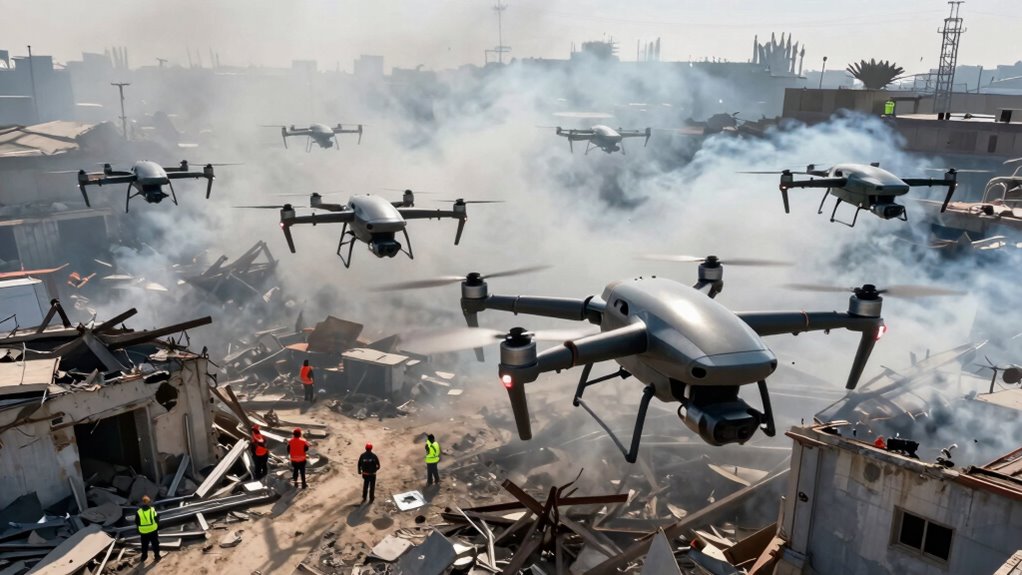
During emergencies, drone operators must carefully consider ethical principles to guarantee their actions support affected communities without causing further harm. Prioritizing public safety is essential; your drone operations should enhance rescue efforts without creating chaos or endangering lives. You must also respect data privacy, avoiding unnecessary collection or sharing of sensitive information about individuals. Transparency about what data is gathered and how it’s used helps build trust and prevents misuse. Always evaluate whether your drone activities could infringe on personal privacy or compromise safety. Remember, your goal is to assist, not exploit, the situation. Incorporating ethical frameworks can guide operators in making responsible decisions during crises. Understanding regulatory compliance is vital to ensure your operations follow legal guidelines and avoid potential penalties. Being aware of public trust is also crucial, as maintaining community confidence encourages cooperation and support for drone missions. Recognizing the importance of professional responsibility can help ensure your actions align with both legal standards and moral expectations during these critical times. Additionally, considering community engagement ensures that drone activities are conducted with the consent and cooperation of local residents, fostering a collaborative environment during emergencies.
How Can We Protect Citizen Privacy When Using Drones in Disasters?
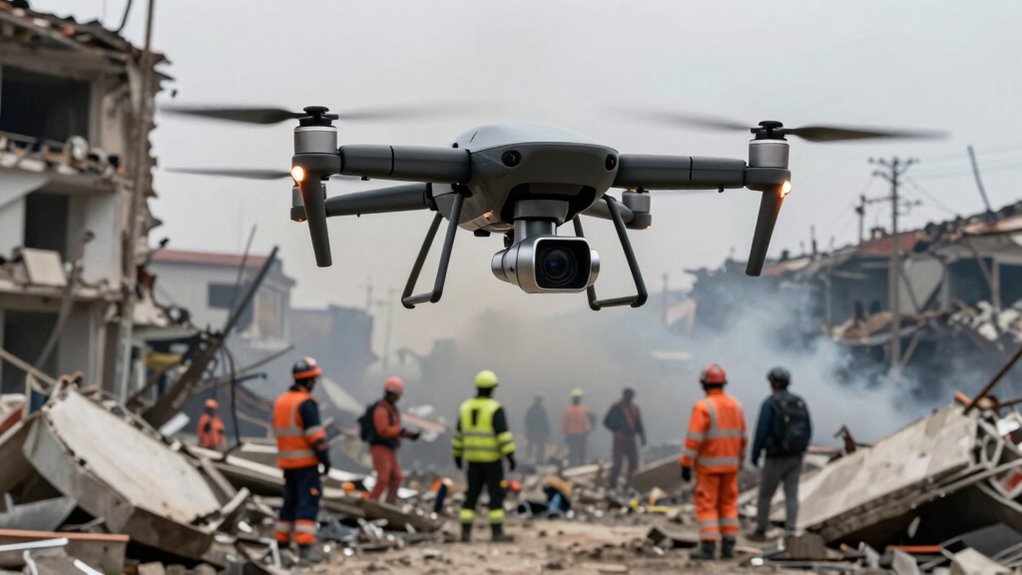
Protecting citizen privacy when using drones in disasters requires deliberate strategies to prevent unnecessary intrusion into individuals’ lives. Understanding surveillance ethics helps guide responsible drone use, ensuring that monitoring is limited to disaster response needs without overreach. Implementing strict data security measures safeguards collected information from breaches or misuse. You should anonymize data when possible and restrict access to authorized personnel only. Establish clear protocols for data collection, storage, and deletion, emphasizing transparency. Regular audits can help verify compliance with privacy standards. To further respect regional cultural sensitivities, tailored deployment strategies should be considered during disaster relief efforts. Additionally, training drone operators on drone behavior and privacy considerations can significantly reduce risks of misuse. Awareness of regulatory compliance is essential to ensure that drone use adheres to applicable laws and standards. Incorporating community engagement into planning can foster public trust and improve compliance with privacy expectations. By balancing the urgency of disaster response with privacy considerations, you respect individuals’ rights while leveraging drone technology effectively. Prioritizing surveillance ethics and data security guarantees you protect citizen privacy without compromising the mission’s integrity. Additionally, understanding regional flavor preferences can inform more culturally sensitive deployment strategies during disaster relief efforts.
How Do You Obtain Airspace Permissions for Disaster Zones?
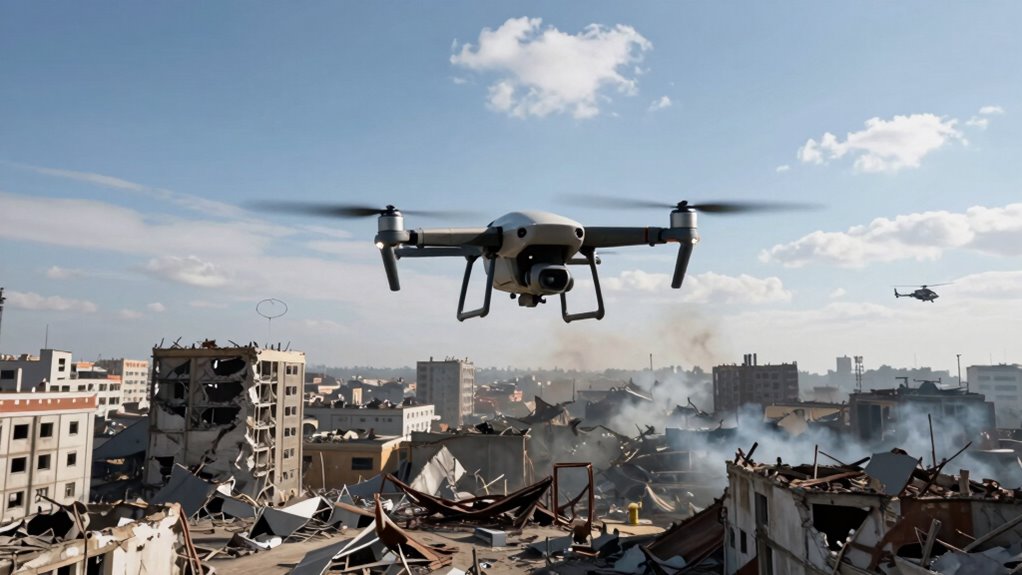
Securing airspace permissions is a vital step before deploying drones in disaster zones to guarantee safe and legal operation. To navigate airspace restrictions, you must understand local, national, and sometimes international regulations. Permission protocols often involve contacting relevant authorities like the FAA or local aviation agencies, submitting detailed flight plans, and providing evidence of safety measures. You may need to obtain special waivers or emergency authorizations, especially in restricted or controlled airspace. It’s essential to communicate clearly about your drone’s purpose, flight zones, and timing. Following proper procedures ensures your drone operations don’t interfere with manned aircraft or emergency efforts, and it keeps you compliant with legal requirements during critical disaster response activities. Recognizing the importance of Free Floating can also help in understanding how to maintain flexibility and safety during complex drone operations. Additionally, understanding airspace classification helps operators anticipate restrictions and plan accordingly, reducing the risk of violations. Being aware of regulatory requirements can further streamline your permission process and ensure compliance from the outset. Moreover, familiarizing yourself with emergency protocols is crucial to respond effectively if unexpected situations arise during drone missions. Staying updated on new regulations is also vital since rules governing drone use can evolve rapidly, especially in disaster scenarios.
What Are Best Practices for Responsible and Rapid Drone Deployment?

To guarantee you deploy drones responsibly and quickly in disaster zones, you need to prepare thoroughly and follow established best practices. Focus on community engagement to ensure local needs and concerns are addressed, fostering trust and cooperation. Utilize technological innovations like real-time data sharing and autonomous flight capabilities to speed up operations while maintaining safety. Always verify permissions and coordinate with authorities to prevent legal issues. Conduct pre-deployment training and simulations to boost efficiency. Incorporating proper system optimization strategies can further enhance drone performance and reliability during critical missions. Additionally, understanding regulatory compliance requirements is vital to operate within legal frameworks and avoid potential liabilities during emergency deployments. Emphasizing emergency response protocols can also help streamline coordination and improve overall effectiveness in disaster situations. Building a comprehensive deployment checklist can ensure all critical steps are followed for rapid and responsible drone deployment.
When Do Ethical Dilemmas Arise in Disaster Drone Use?
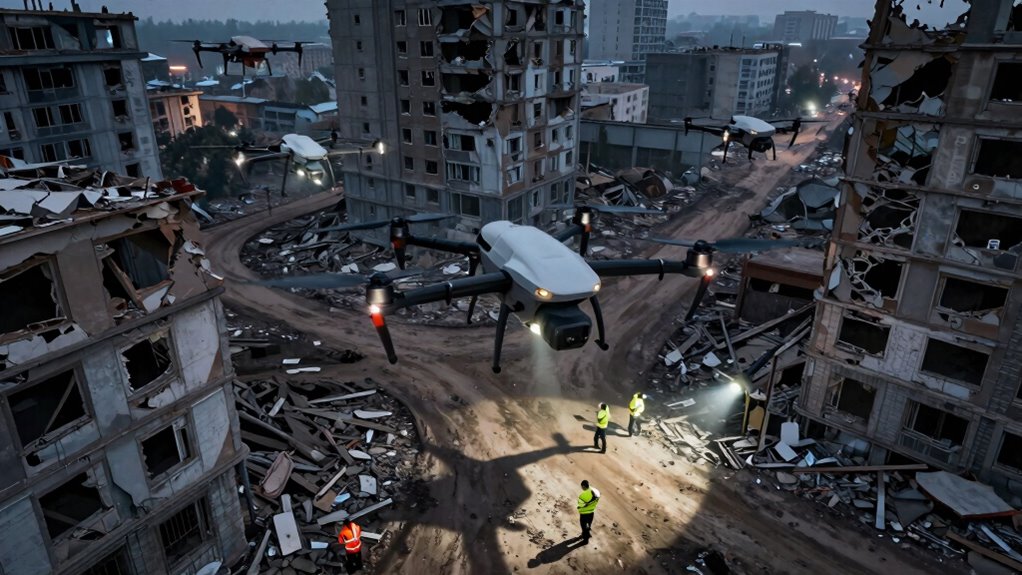
Ethical dilemmas in disaster drone use often arise when the urgency of response conflicts with respect for privacy, consent, and data security. During emergencies, you may face moral dilemmas involving:
Ethical dilemmas in disaster drones challenge balancing urgent aid with privacy, consent, and data security considerations.
- Collecting sensitive images of victims without consent
- Sharing data that could compromise individual privacy
- Prioritizing rescue efforts over safeguarding personal information
These situations test your ethical considerations, forcing you to balance rapid action with moral responsibility. You must decide whether to proceed with surveillance that could infringe on privacy or delay crucial aid to address these concerns. Such dilemmas highlight the need to develop clear moral frameworks that guide drone use, ensuring that quick responses don’t come at the expense of ethical integrity. Ultimately, these moral dilemmas challenge your judgment and commitment to responsible disaster management.
How Can Policies Ensure Safe and Responsible Drone Operations?
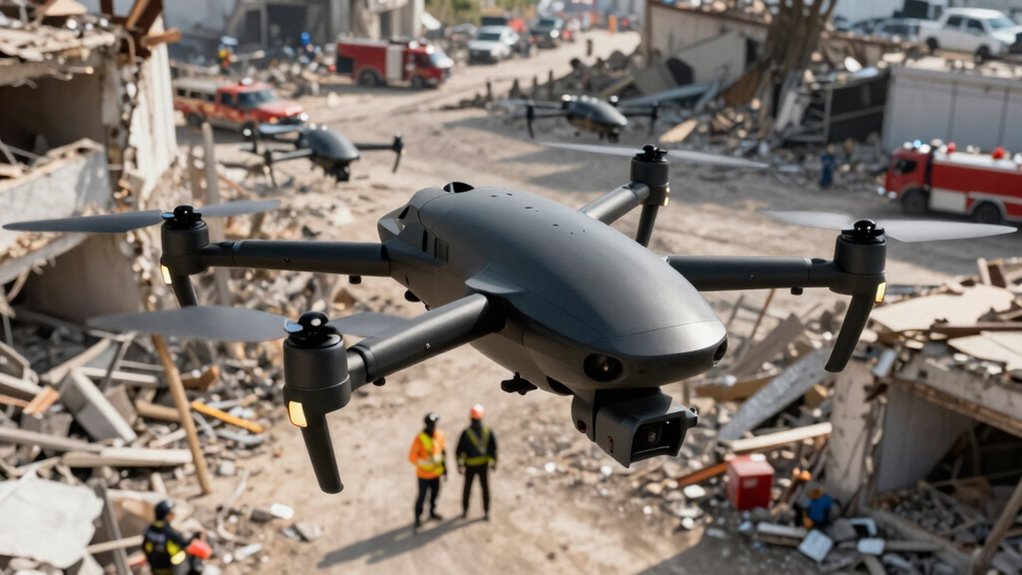
Effective policies are vital to guarantee drone operations in disaster zones remain safe and responsible. You can promote community engagement by involving local stakeholders in policy development, ensuring concerns are addressed. Technological innovation plays a key role, enabling real-time tracking, geofencing, and automated safety protocols that minimize risks. Clear guidelines should specify flight restrictions, privacy protections, and data handling procedures. Establishing training standards for operators ensures competence and accountability. Regular audits and incident reporting foster transparency and continuous improvement. Use the following table to see how policies integrate community input and technology:
| Community Engagement | Technological Innovation |
|---|---|
| Local stakeholder input | Real-time drone tracking |
| Public feedback | Automated safety features |
| Transparency efforts | Data privacy standards |
| Training requirements | Geofencing capabilities |
| Incident reviews | Continuous tech updates |
What Future Challenges and Opportunities Will Shape Disaster Drone Ethics?
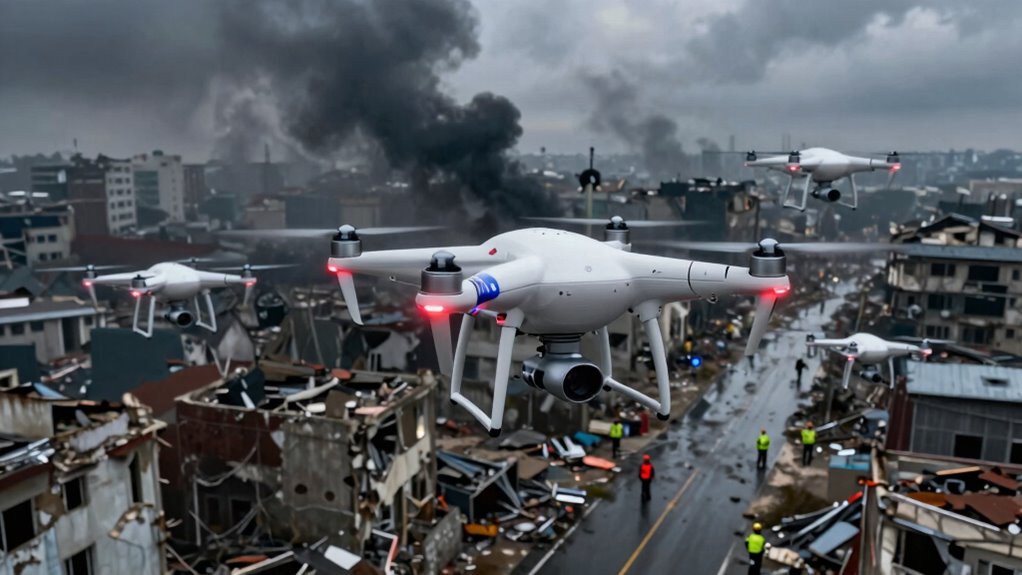
As drones become more integral to disaster response, you’ll face challenges like protecting individuals’ privacy and ensuring autonomous decisions are safe. International coordination is also essential to create consistent rules and prevent misuse across borders. These issues will shape the ethical landscape of disaster drones and influence their future development.
Privacy Preservation Challenges
While drones offer crucial support during disasters, their use raises significant privacy preservation challenges that can shape future drone ethics. You must guarantee sensitive data is protected through strong data encryption to prevent unauthorized access. Establishing clear consent protocols is essential so affected individuals understand how their information is collected and used. Without these safeguards, privacy breaches could erode public trust and hinder rescue efforts. To visualize this, consider:
- Implementing secure data encryption methods during data transmission and storage
- Creating transparent consent protocols that inform and involve affected communities
- Balancing the need for detailed imagery with respecting individual privacy rights
Addressing these challenges helps maintain ethical standards while maximizing the benefits of drone technology in disaster response.
Autonomous Decision-Making Risks
Autonomous decision-making in disaster drones introduces complex ethical challenges that will shape their future use. When machines make critical choices—like prioritizing rescue efforts or avoiding hazards—they test the boundaries of machine ethics. Relying on autonomous decision making raises concerns about accountability, transparency, and the potential for errors. You must consider whether drones can make morally sound decisions without human oversight. Here’s a quick look at some key factors:
| Challenge | Opportunity |
|---|---|
| Accountability issues | Improving response speed with automation |
| Moral ambiguity | Reducing human risk in dangerous scenarios |
| Error management | Enhancing precision through machine ethics |
| Ethical transparency | Building public trust in autonomous systems |
| Decision transparency | Developing clearer decision frameworks |
Balancing machine ethics with autonomous decision making is vital for safe, responsible disaster drone deployment.
International Regulatory Coordination
International regulatory coordination is essential to guarantee that disaster drones operate ethically and effectively across borders. Without it, drones may violate privacy, breach sovereignty, or cause unintended harm. Future challenges include balancing national interests with global cooperation, establishing consistent standards, and managing jurisdictional disputes. Opportunities arise through enhanced international cooperation, which can:
- Promote regulatory harmonization to streamline drone deployment
- Facilitate data sharing for better disaster response
- Develop universal ethical guidelines to uphold human rights
Frequently Asked Questions
How Do Drone Laws Vary Across Different Countries During Disasters?
You should know that drone laws during disasters vary widely across countries due to differing international regulations and privacy concerns. Some nations impose strict restrictions on drone use to protect individual privacy, while others allow more flexibility for emergency responses. Always check local laws before flying, as regulations can change quickly, and failure to comply might lead to legal issues or privacy violations. Stay informed to guarantee responsible and legal drone operation during emergencies.
What Are the Liability Issues if a Drone Causes Damage in a Disaster Zone?
If a drone causes damage in a disaster zone, you’ll face liability issues like damage compensation and the need for liability insurance. You’re responsible for ensuring your drone’s safe operation, and neglect could lead to costly legal claims. To protect yourself, get adequate liability insurance and document your drone’s activities. This way, you’re prepared to handle any unintended damage and provide fair compensation if needed.
Can Drones Be Used to Deliver Medical Supplies Ethically and Legally?
Yes, you can use drones to deliver medical supplies ethically and legally, but you must address privacy concerns and consent challenges. Make certain you follow regulations, obtain necessary approvals, and respect individuals’ privacy rights. Communicate transparently with communities, highlighting how drone deliveries improve emergency response. By balancing safety, legality, and ethical considerations, you can effectively use drones to save lives while maintaining public trust.
How Do Cultural Differences Impact Drone Deployment Ethics in Disasters?
Remember, “When in Rome, do as the Romans do.” Cultural perceptions shape how drone deployment is viewed during disasters, affecting community acceptance and trust. Your ethical priorities must respect local customs and values, balancing efficiency with sensitivity. By understanding these cultural differences, you guarantee your drone use aligns with local expectations, avoiding misunderstandings or ethical breaches. This approach fosters cooperation and effective disaster response, showing respect for diverse perspectives.
What Training Is Necessary for Operators to Handle Ethical Dilemmas Effectively?
You need extensive training in ethical decision making and crisis management to handle dilemmas effectively. Focus on understanding privacy laws, cultural sensitivities, and the potential impact of drone operations during disasters. Practice scenario-based exercises to develop quick, responsible judgment in high-pressure situations. This prepares you to balance safety, privacy, and operational needs, ensuring you act ethically and legally while supporting disaster response efforts.
Conclusion
Guiding the use of drones in disasters is like walking a tightrope—you must balance speed with responsibility. By understanding the legal and ethical lines, you can guarantee your actions help rather than hinder relief efforts. Stay informed, respect privacy, and follow best practices to keep the skies safe and your conscience clear. When you strike this balance, you’ll turn technology into a powerful ally in times of crisis, guiding rescue efforts like a lighthouse in a storm.
NFL season / tailgating Picks
team gear
As an affiliate, we earn on qualifying purchases.