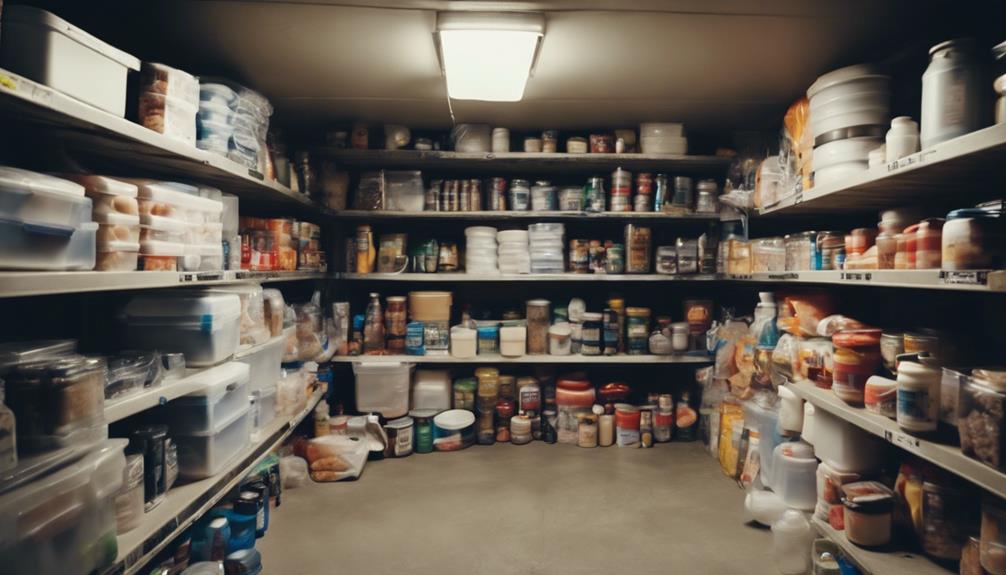
Homesteading focuses on building self-sufficient, sustainable living through farming, raising animals, and reducing reliance on outside supplies, offering long-term stability. In contrast, bug-out strategies prioritize quick evacuation during emergencies, requiring pre-planned routes and supplies for immediate safety. Both approaches serve different needs; blending them can provide a balanced plan that guarantees you’re prepared for both staying secure on your property and evacuating swiftly if necessary. Keep exploring to find out how to combine these strategies effectively.
Key Takeaways
- Homesteading focuses on long-term self-sufficiency, while bug-out strategies prioritize quick evacuation during emergencies.
- Homesteading requires significant land, time, and resources to establish, unlike bug-out plans which focus on rapid response.
- Homesteading offers ongoing food security and resilience; bug-out strategies enable swift escape when staying is unsafe.
- Combining both approaches provides comprehensive preparedness for both stability at home and emergency evacuation.
- Effective planning and resource management are essential for both strategies to maximize safety and sustainability.

When it comes to preparing for emergencies, choosing between homesteading and bug-out strategies depends on your goals and circumstances. If you’re considering homesteading, you’re likely aiming for self-sufficiency through sustainable farming practices. This approach lets you grow your own food, raise animals, and reduce reliance on external supply chains. It’s a long-term solution that emphasizes building resilience within your property, making it easier to withstand disruptions caused by natural disasters, economic collapse, or other emergencies. By establishing a sustainable farm, you create a dependable food source, minimize your need to venture out during crises, and develop skills that promote independence. However, homesteading isn’t without its challenges. It requires significant planning, land, initial investment, and ongoing effort to maintain productivity. If an emergency escalates suddenly, and your homestead isn’t yet fully operational, you might find yourself unprepared for immediate evacuation or survival needs. Additionally, understanding the role of home theatre projectors in entertainment can boost morale during long-term stays or recovery periods.
On the other hand, bug-out strategies focus on rapid evacuation when staying put becomes unsafe. This approach involves pre-planning an emergency evacuation route, assembling a bug-out bag with essential supplies, and identifying a safe location where you can seek refuge. If a disaster strikes unexpectedly—like a wildfire, flood, or civil unrest—you can quickly leave your home and head to your pre-selected destination. Bug-out plans prioritize mobility, allowing you to escape dangerous situations swiftly and efficiently. They’re especially useful if your current location becomes compromised or if maintaining a homestead isn’t feasible due to size, resources, or personal circumstances. While bug-out strategies offer flexibility and quick response capabilities, they also demand careful planning. You need to know exactly where you’ll go, what supplies to carry, and how to navigate safely. Without proper preparation, you risk running out of supplies, getting lost, or facing dangers en route.
Ultimately, your choice hinges on your personal preparedness level, available resources, and risk assessment. If you have the space, time, and commitment to develop a self-sufficient homestead, it can provide ongoing security and reduce dependence on external systems. But if you’re in an area prone to sudden disasters or lack the resources to sustain a homestead, a robust bug-out plan might be more practical. Many preparedness experts recommend combining both strategies: establishing a sustainable homestead as your long-term base and preparing a bug-out plan as a contingency. This balanced approach ensures you’re ready to weather crises at home and, if necessary, evacuate swiftly to safety.
Frequently Asked Questions
How Do Cost Differences Impact Long-Term Sustainability?
Cost differences considerably impact your long-term sustainability by shaping your economic resilience and resource management. Lower costs in homesteading allow you to build a self-sufficient lifestyle, reducing reliance on external resources and saving money over time. Conversely, higher expenses in bug-out strategies may strain your resources, making it harder to maintain resilience during emergencies. Balancing costs helps make sure your preparedness efforts remain effective and sustainable in the long run.
What Skills Are Essential for Effective Bug-Out Planning?
Think of bug-out planning like steering a ship through stormy seas—you need essential skills. You must master emergency communication to stay connected, even when chaos strikes. Resource management is equally crucial; knowing how to ration supplies and plan your route keeps you afloat. Practice these skills regularly, ensuring you’re prepared to adapt quickly, communicate effectively, and manage your resources efficiently during any crisis.
How Do Community Networks Influence Survival Strategies?
Community networks boost your survival chances by strengthening community resilience and enabling resource sharing during emergencies. When you collaborate with neighbors, you gain access to diverse skills, supplies, and support systems that can help you adapt and recover faster. These networks foster trust and coordination, making it easier to face challenges together. By building strong community ties, you create a reliable safety net that enhances your overall preparedness and response capabilities.
What Legal Considerations Affect Homesteading and Bug-Out Locations?
Did you know that over 80% of land is subject to legal zoning laws? When choosing homesteading or bug-out locations, you must consider legal zoning and property rights to avoid future disputes. These laws dictate permitted land use, building codes, and land access, directly impacting your ability to establish sustainable living or secure a safe retreat. Ignoring legal considerations can lead to fines, eviction, or loss of your property.
How Can Technology Improve Preparedness and Response?
Technology can considerably boost your preparedness and response by enabling solar power solutions, ensuring you have reliable energy during outages. Use emergency communication devices like satellite phones or radios to stay connected when traditional networks fail. Smart planning apps help organize supplies and routes, making your plans more efficient. By integrating these tools, you stay informed, self-sufficient, and ready to respond quickly to any emergency.
Conclusion
Ultimately, whether you choose homesteading or a bug-out plan, it’s no coincidence that both paths reflect your desire for security and independence. Sometimes, the smallest decision—like planting a garden or packing a bag—can unexpectedly lead to a stronger sense of preparedness. Trust that your instincts are guiding you toward the right choice. After all, life’s little coincidences often remind us that being ready can make all the difference when it truly matters.