Developing long-term self-reliance involves strengthening your resilience and self-efficacy beliefs. When you view challenges as growth opportunities and set small, achievable goals, you build confidence and bounce back from setbacks more easily. Consistently practicing these strategies helps you manage emotions, reframe negative thoughts, and trust in your personal capacity. This ongoing process creates a positive cycle of independence and persistence. Keep exploring to uncover more ways to deepen your self-reliance.
Key Takeaways
- Long-term self-reliance is rooted in developing resilience through consistent effort and adaptive mindset shifts.
- Building strong self-efficacy beliefs enhances confidence to independently handle life’s challenges over time.
- Achieving small, manageable goals reinforces self-trust and fosters ongoing resilience and independence.
- Cultivating a growth mindset encourages viewing setbacks as opportunities for growth, supporting sustained self-reliance.
- The interplay between resilience and self-efficacy creates a feedback loop that sustains long-term self-reliance and autonomy.

Have you ever wondered what drives someone to stay resilient and independent over the long term? It’s a complex mix of mindset, habits, and beliefs that foster a sense of self-reliance. Central to this is resilience development—the process of building mental toughness that allows you to bounce back from setbacks and keep moving forward. When you actively cultivate resilience, you learn to view challenges as opportunities for growth rather than insurmountable obstacles. This mindset isn’t born overnight; it’s shaped through consistent effort and a willingness to adapt. Part of resilience development involves strengthening your self-efficacy beliefs—your confidence in your ability to handle difficult situations. When you believe you can influence your circumstances and overcome adversity, you’re more likely to persist in the face of difficulties. These self-efficacy beliefs act as mental anchors, giving you the courage to take risks and the resilience to recover from failures.
Building resilience and reinforcing self-efficacy beliefs go hand in hand. For instance, when you set small, achievable goals, you create opportunities to experience success, which in turn boosts your confidence. Each accomplishment, no matter how minor, reinforces your belief that you are capable. Over time, this cycle of small wins accumulates, making you more resilient to future setbacks. It’s important to recognize that resilience isn’t about never feeling overwhelmed or discouraged; it’s about how you respond when those feelings arise. Developing resilience involves learning to manage your emotions, reframe negative thoughts, and stay committed to your goals despite setbacks. These skills enhance your self-efficacy, creating a positive feedback loop that keeps you moving forward. Additionally, understanding the importance of contrast ratio in visual perception can help you better appreciate the role of clarity and detail in your mental resilience, as both rely on a clear and accurate understanding of your environment and challenges.
Furthermore, resilience development requires intentional effort. You can’t simply wish for stronger mental toughness—you need to practice resilience strategies regularly. This might mean seeking new challenges, reflecting on past successes, or cultivating a growth mindset. By doing so, you reinforce your belief that difficulties are temporary and manageable. As your resilience deepens, so does your confidence in your ability to navigate life’s uncertainties. Ultimately, sustained self-reliance hinges on this dynamic interplay between resilience development and self-efficacy beliefs. When you trust in your capacity to handle adversity, you become more autonomous, better equipped to face whatever life throws your way, and more committed to maintaining your independence over the long haul.

What Are Feelings For? Board Book: A Lift-the-Flap Board Book (Christian behavior book for toddlers encouraging emotional health and resilience.) (Training Young Hearts)
As an affiliate, we earn on qualifying purchases.
As an affiliate, we earn on qualifying purchases.
Frequently Asked Questions
How Does Childhood Upbringing Influence Long-Term Self-Reliance?
Your childhood upbringing shapes your long-term self-reliance through attachment patterns and resilience development. If you’re raised with secure attachments, you tend to trust yourself and others, fostering independence. Conversely, insecure attachments can hinder confidence and problem-solving skills. Early experiences build resilience, helping you handle setbacks better later in life. By nurturing supportive relationships and overcoming challenges in childhood, you lay a strong foundation for sustained self-reliance as you grow older.
Can Self-Reliance Be Cultivated at Any Age?
Yes, you can cultivate self-reliance at any age. Focus on resilience building and independence development by setting achievable goals, embracing challenges, and learning from setbacks. Develop new skills and practice problem-solving regularly. By staying committed and adaptable, you strengthen your confidence and autonomy. Remember, growth isn’t limited by age—your ongoing efforts to build resilience and independence will lead to greater self-reliance over time.
What Role Does Emotional Intelligence Play in Self-Reliance?
You’re only as strong as your emotional intelligence, and it plays a crucial role in self-reliance. By developing emotional awareness, you understand your feelings and reactions better, which boosts your confidence. Strong interpersonal skills help you navigate relationships independently, making you more resilient. When you can read your emotions and handle interactions smoothly, you’re better equipped to stand on your own two feet, no matter the challenge ahead.
How Does Culture Affect Perceptions of Self-Reliance?
Culture influences how you perceive self-reliance through cultural norms and societal expectations. In some cultures, independence and individual achievement are highly valued, encouraging you to rely on yourself. In others, interdependence and community support are emphasized, shaping your view that self-reliance involves balancing personal effort with social connections. Your cultural background can therefore shape your beliefs about when and how to seek help or stand alone.
Are There Common Psychological Pitfalls That Hinder Long-Term Self-Reliance?
Did you know that 60% of people struggle with maintaining self-reliance? Fear of failure often holds you back, making you doubt your abilities and seek reassurance. A dependency mindset can develop, causing you to rely on others instead of trusting yourself. To build long-term self-reliance, face your fears, embrace mistakes as lessons, and focus on developing inner confidence rather than seeking constant validation.

Clever Fox Self-Care Journal – Wellness & Daily Reflection Notebook – Mental Health & Personal Development Journal – Self-Care, Meditation & Mood Journal for Women & Men – A5 Size (Forest Green)
FOCUS ON SELF-CARE WITH 90 DAYS OF WELLNESS PLANNING: Clever Fox Self-Сare Journal is a 3-month guided mental…
As an affiliate, we earn on qualifying purchases.
As an affiliate, we earn on qualifying purchases.
Conclusion
Building long-term self-reliance gently guides you toward a quieter confidence that’s hard to overlook. It’s like nurturing a delicate seed—you may not see rapid growth, but with patience and care, resilience gradually blooms. Remember, occasional setbacks aren’t setbacks at all; they’re simply the universe’s way of encouraging your steady progress. Trust in your quiet strength, and over time, you’ll find that true independence becomes a subtle, yet unwavering, part of who you are.

Goal Planning Notepad – A5 Goal Setting Journal For Project Action Plan,Task Management, Personal Development & Track Goals. Productivity Notepad For Daily Work & School – 54 Sheets
GOAL PLANNING NOTEPAD – The Goal setting notebook features a highly effective template that will help you to…
As an affiliate, we earn on qualifying purchases.
As an affiliate, we earn on qualifying purchases.
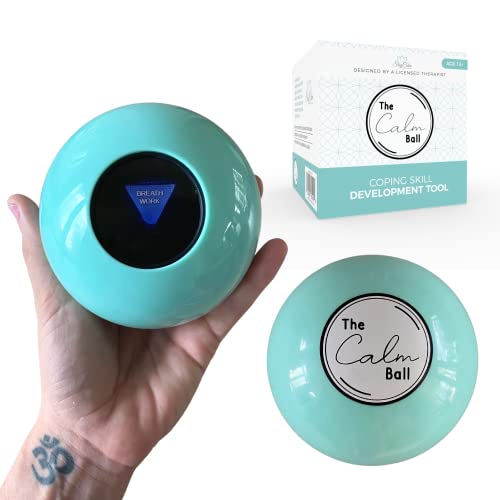
The Calm Ball – Therapist-Designed Coping Skills Magic 8 Ball with 20 Calming Strategies & Guidebook – Emotional Regulation Tool & Mental Health Gift for Teens, Adults, Therapists & Classrooms
🎱 Fun and Engaging Therapist-Designed Tool: The Calm Ball is an innovative spin on a classic toy, resulting…
As an affiliate, we earn on qualifying purchases.
As an affiliate, we earn on qualifying purchases.