Many new preppers make the mistake of focusing only on wilderness survival skills or stockpiling supplies without considering urban challenges or long-term storage. They often neglect practice, scenario planning, and proper maintenance of their gear. Additionally, complacency and outdated strategies can leave you unprepared for evolving threats. To avoid these pitfalls, regularly update your knowledge, test your plans, and diversify your supplies. Keep exploring for ways to build a resilient and adaptable preparedness plan.
Key Takeaways
- Relying solely on wilderness survival skills ignores urban-specific challenges like crowded streets and infrastructure failure.
- Improper long-term storage can lead to spoilage; use airtight containers, cool dark places, and rotate supplies regularly.
- Failing to practice emergency drills and scenario planning reduces readiness; regularly test equipment and simulate different crises.
- Neglecting comprehensive supplies beyond food and water, such as medicines and hygiene products, can compromise resilience.
- Becoming complacent and neglecting ongoing education leaves preppers unprepared for evolving threats and new risks.

Prepping can be essential for ensuring your safety and peace of mind during emergencies, but making common mistakes can undermine your efforts. One of the most frequent errors new preppers make is overlooking the importance of urban survival. If you live in a city, you need to recognize that urban environments present unique challenges. Relying solely on outdoor wilderness survival skills won’t cut it when you’re surrounded by dense populations, limited access to natural resources, and potential civil unrest. It’s crucial to plan for urban-specific scenarios, like navigating crowded streets, securing your home against intruders, and maintaining communication if infrastructure fails. Many beginners focus on long-term storage of food and supplies but forget to consider your urban setting’s particular needs. For example, stockpiling food is vital, but you should also prepare for confined spaces, power outages, or water shortages common in cities. Developing a plan for how to access and ration your stored supplies ensures they last longer and remain functional in the chaos of a city emergency.
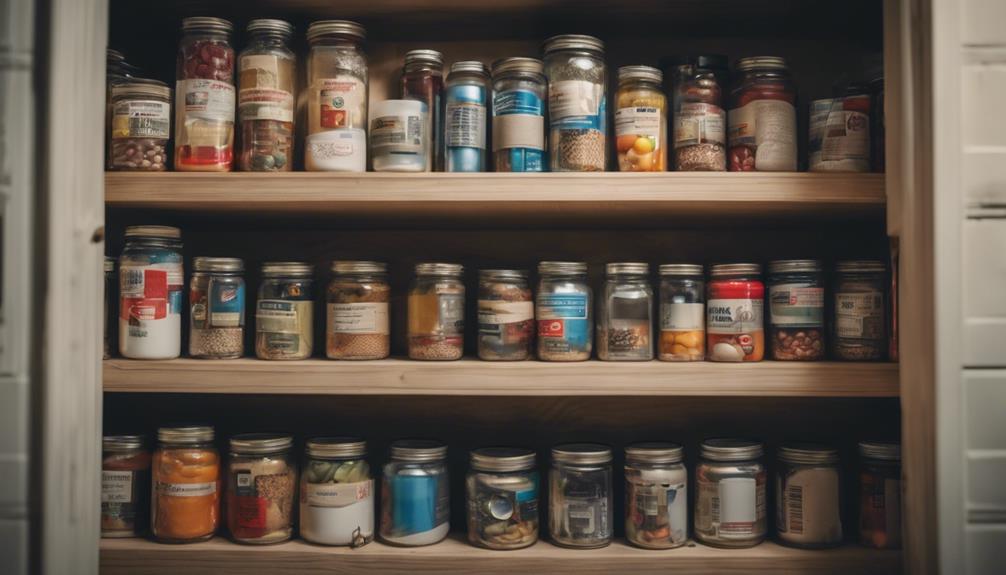
Another mistake is neglecting proper long-term storage techniques. You might have a decent stockpile, but if it’s not stored correctly, it can spoil, become infested, or lose its nutritional value over time. Properly rotated supplies are essential, so you don’t end up with expired or unusable provisions when you need them most. Use airtight containers, keep food in cool, dark places, and consider investing in oxygen absorbers or desiccants to extend shelf life. Many new preppers underestimate the importance of having a variety of supplies—think beyond just food and water. Include medicines, hygiene products, and tools that can serve multiple purposes. Failing to diversify your stockpile could leave you vulnerable if one type of resource runs out or becomes compromised.
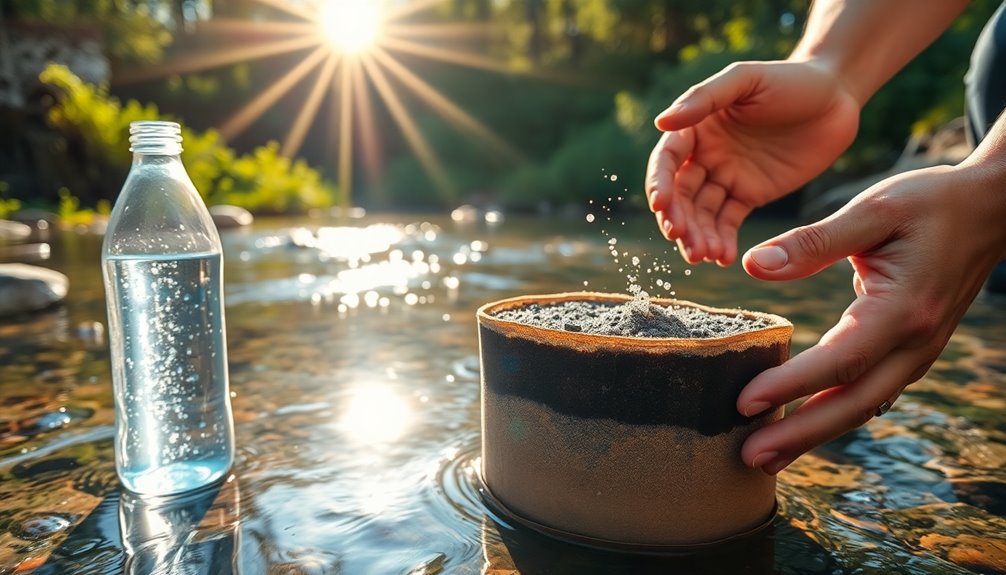
Additionally, some preppers overlook the importance of regular practice and scenario planning. Having supplies is critical, but knowing how to use them efficiently makes a difference. Practice cooking with your stored food, test your water filtration systems, and run drills for different emergencies. This way, you’ll identify gaps in your preparation and build confidence in your ability to handle real crises. Staying informed about emerging threats, such as AI vulnerabilities, can also help you adapt your plans to new risks. Avoid the trap of complacency by continuously educating yourself and updating your plans. Remember, prepping isn’t a one-time effort; it’s an ongoing process that requires attention to detail, especially when it comes to urban survival strategies and long-term storage methods. By acknowledging these common mistakes and taking proactive steps, you can significantly improve your readiness and peace of mind when disaster strikes.
Frequently Asked Questions
How Can I Determine My Specific Prepping Needs?
To determine your specific prepping needs, start with a risk assessment of your location and lifestyle. Consider natural disasters, economic threats, or social unrest that could impact you. Connect with your community through networking to learn shared risks and resources. This helps you prioritize supplies and skills tailored to your situation. Regularly reassess your plan as circumstances change, ensuring your preparedness remains relevant and effective.
What Are Common Pitfalls in Long-Term Food Storage?
You should avoid common pitfalls in long-term food storage by preventing storage mistakes and contamination risks. Always use airtight containers and store food in a cool, dark, dry place to maximize shelf life. Rotate your supplies regularly to prevent spoilage, and keep everything clean to avoid contamination risks. Check for signs of spoilage often, and label your items clearly to guarantee proper use before expiration.
How Should I Prioritize Prepping Supplies During Limited Budgets?
Your limited budget is a tiny boat in a sea of needs, so prioritize wisely. Use budgeting strategies like creating a list of essentials, focusing on water, food, and first aid supplies first. Allocate resources carefully, buying versatile items that serve multiple purposes. Remember, smart resource allocation beats impulse spending, ensuring you build a solid foundation without draining your funds. Stay disciplined, and you’ll be better prepared for any storm ahead.
What Skills Are Most Valuable for New Preppers to Learn First?
You should prioritize learning sustainable gardening and emergency communication skills. Sustainable gardening helps you grow your own food, reducing reliance on supplies and saving money. Emergency communication guarantees you can stay connected and call for help if needed. Focus on mastering these skills first, as they build a strong foundation for self-sufficiency, making you better prepared for various scenarios and enhancing your overall resilience.
How Can I Stay Calm and Adapt During a Crisis?
Did you know that studies show emotional resilience helps people recover faster from crises? To stay calm and adapt, focus on stress management techniques like deep breathing, staying organized, and maintaining a routine. Keep a positive mindset and remind yourself that staying calm allows you to think clearly and make better decisions. Building emotional resilience takes practice, so regularly prepare mentally alongside your supplies to handle unpredictable situations effectively.
Conclusion
So, now that you’re armed with these prepping blunders to dodge, go forth and avoid turning your bunker into a sitcom disaster. Don’t forget, a poorly planned stash won’t feed you during the apocalypse, and a flimsy shelter might just become the neighborhood’s new lemonade stand. Keep your head, plan smart, and remember: the only thing worse than being unprepared is being the star of your own chaos comedy. Stay sharp, survivor!