When setting up backup power for your well pump, many overlook critical steps like verifying system compatibility, choosing the right transfer switch, and regularly testing your batteries or generator. Proper installation, grounding, and weatherproofing also often get skipped. Maintaining and inspecting your backup system guarantees it works when needed. If you want to avoid common mistakes and ensure continuous water flow during outages, there’s more important info to take into account.
Key Takeaways
- Verify system compatibility between the well pump, transfer switch, and backup power source before installation.
- Regularly inspect and test backup batteries, transfer switches, and connections for proper functioning.
- Ensure proper grounding, wiring, and adherence to electrical codes during installation for safety and reliability.
- Match backup power capacity to the pump’s energy needs and outage duration requirements.
- Schedule professional inspections and maintenance to identify potential issues early and maintain system readiness.

VEVOR 2500W Sump Pump Battery Backup System LCD Display Corded Auto Switch
- Power Output: 2500W with dual outlets for two pumps
- Automatic Power Switching: Switches to battery during power outages
- Real-Time LCD Display: Monitors voltage, power, and battery level
As an affiliate, we earn on qualifying purchases.
As an affiliate, we earn on qualifying purchases.
Why Power Outages Can Leave Your Well Pump Dead (And Why Backup Power Matters)
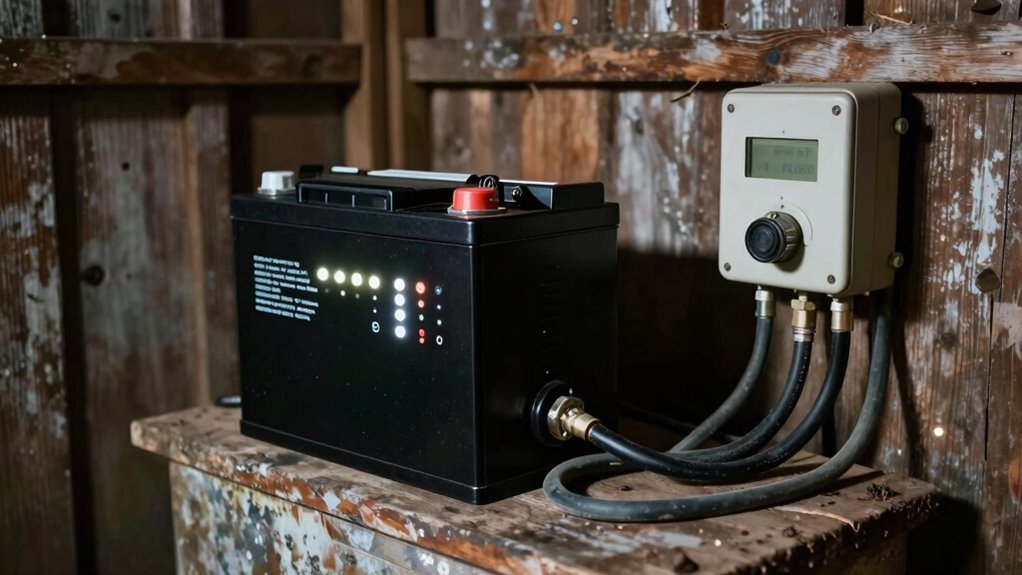
Power outages can quickly leave your well pump useless when you need it most. Without power, your pump stops working, leaving your home without water. Relying solely on the grid isn’t dependable during storms or outages. Backup power systems, like batteries, are essential to keep things flowing. However, understanding battery lifespan is vital—batteries don’t last forever and need replacement over time. Additionally, pay attention to the power consumption of your pump; a high-energy demand means your backup system must be capable of supporting it for an adequate duration. Without proper backup, you risk water shortages and damage to your plumbing system. It’s also important to consider system capacity to ensure your backup power can handle your well pump’s needs during extended outages. Proper planning and maintenance of your backup power system are crucial to avoid costly repairs and ensure continuous water supply. Regularly checking your backup system components can prevent unexpected failures and keep your water flowing when needed most. To maximize reliability, it’s also wise to conduct routine system testing to identify potential issues before an emergency arises. Furthermore, understanding battery lifespan helps in scheduling timely replacements, avoiding unexpected failures during critical moments.
Choosing the Right Backup Power System for Your Well Pump
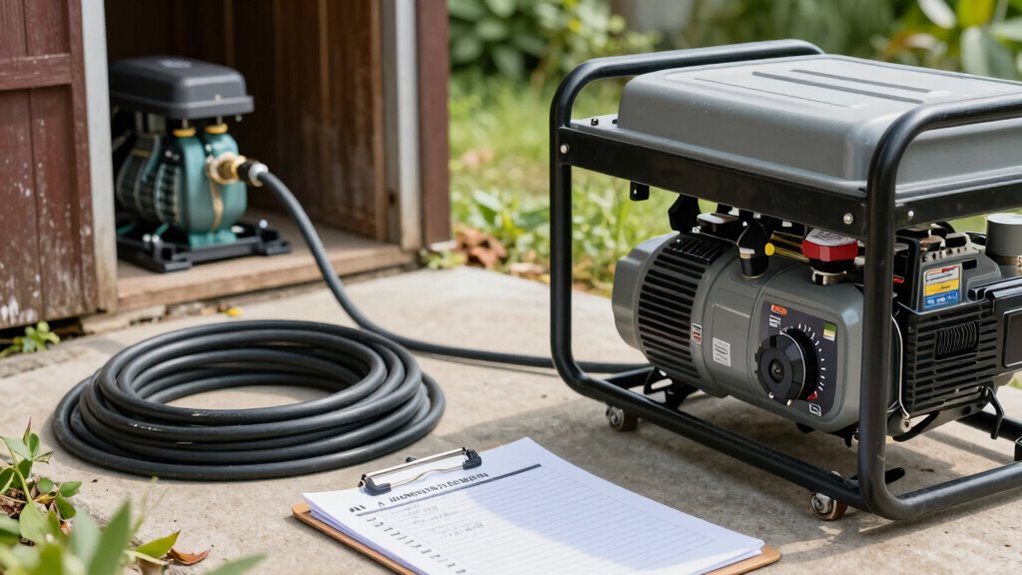
Choosing the right backup power system for your well pump starts with understanding your pump’s energy requirements and how long you need it to run during an outage. You’ll want a system that matches your power needs while considering battery lifespan and maintenance schedules to guarantee reliability. To help, consider this comparison:
| System Type | Battery Life Expectancy | Maintenance Needs |
|---|---|---|
| Gas Generator | 1,000+ hours | Regular oil changes |
| Solar Backup | 20+ years | Occasional cleaning |
| Battery Backup | 3-5 years | Periodic inspections |
| Propane Generator | 1,500+ hours | Fuel refills |
| Hybrid System | Varies | Combined maintenance |
Additionally, evaluating the system’s reliability and its suitability for your climate can ensure consistent operation during outages. Incorporating backup power capacity assessments can help determine the most effective solution for your specific needs. Proper system sizing is crucial to avoid under- or over-committing your backup resources. Ensuring proper installation techniques and weatherproofing are essential for long-term performance. Select based on your budget, how often outages occur, and ease of maintenance to keep your well running reliably.
How to Install a Transfer Switch for Easy Power Switching
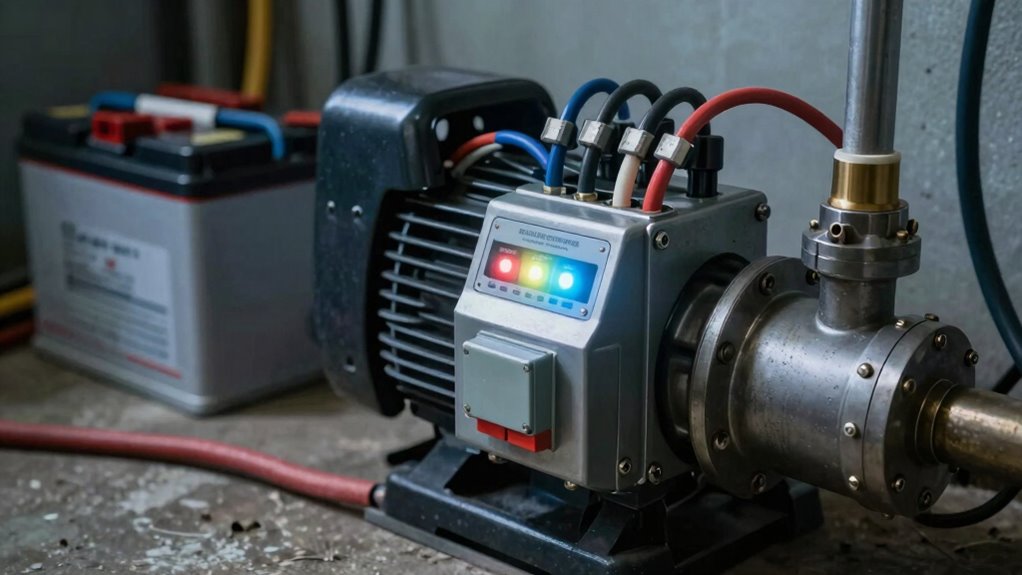
Installing a transfer switch makes switching power sources simple and safe. You need to choose the right switch for your setup, follow proper installation steps, and then test the system to make it works correctly. Proper food handling and hygiene are critical to minimize risks, especially when dealing with potentially contaminated raw materials. Regular inspection and maintenance can help identify potential cable failures before they lead to system downtime. Staying informed about smart lock technology and other modern security solutions can also enhance overall safety during power outages. Additionally, understanding early warning signs for electrical issues can prevent unexpected failures and improve system reliability. Let’s walk through these points to get your backup power ready for your well pump. Understanding the latest trends in electrical safety can help you stay informed about best practices for backup power systems.
Choosing the Right Transfer Switch
Selecting the right transfer switch is essential for ensuring a smooth and safe handover during power outages. Start by understanding transfer switch basics, including their capacity and compatibility with your well pump system. You need a switch that matches your pump’s power requirements and is rated for your generator’s output. Pay close attention to safety considerations—choose a switch with proper grounding features and built-in safety interlocks to prevent back-feeding. Consider whether a manual or automatic transfer switch fits your needs; automatic switches offer convenience, but manual ones may be more affordable. Ensure the switch complies with local electrical codes, which may vary depending on your location and installation specifics. Proper selection minimizes risks and guarantees reliable operation when you need backup power most. Modern energy-efficient fans can contribute to overall energy savings, which is an important consideration when planning your backup power system. Additionally, understanding electrical code requirements is crucial to ensure your installation adheres to safety standards and avoids potential legal issues. Always verify that your transfer switch capacity aligns with both your pump’s power needs and your generator’s output capacity to prevent overloads. By choosing the correct switch, you can also improve your system’s overall reliability and safety, ensuring peace of mind during outages.
Proper Installation Procedures
To guarantee safe and reliable operation, proper installation of your transfer switch is essential. It ensures seamless power switching, minimizes downtime, and protects your pump and water quality. When installing, focus on the following:
- Securely mounting the switch in a dry, accessible location
- Correctly wiring the transfer switch to the main breaker and pump
- Using appropriately rated wires and protective devices
- Ensuring proper grounding to prevent electrical faults
- Keeping the switch away from water sources to avoid corrosion
- Proper wiring techniques are critical to prevent electrical hazards and ensure system durability. Additionally, consulting electrical codes during installation helps ensure compliance and safety. Being aware of weather-related hazards can help you choose the best location for your transfer switch to avoid damage from environmental factors.
These steps streamline pump maintenance and help prevent issues that could affect water quality. A well-installed transfer switch simplifies power management during outages, reducing risks of contamination or pump failure. Proper installation is the backbone of a reliable backup power system for your well pump.
Testing the System Effectively
Once your transfer switch is installed, testing the system guarantees it operates smoothly and switches power reliably during outages. Begin by performing a dry run, switching your power source without activating the well pump to check system compatibility and confirm there are no issues. Regularly inspect and maintain the backup batteries, focusing on battery maintenance, to verify they’re charged and ready for use. During testing, confirm that the transfer switch engages promptly when power is lost and switches back when power restores. Document each test to identify potential problems early. If your system isn’t compatible with certain backup power sources or batteries, address these issues before an emergency occurs. Effective testing ensures your backup power system functions seamlessly when you need it most.
Essential Backup Equipment for Well Pumps (Generators, Batteries, Inverters)

Choosing the right backup equipment depends on your well pump’s power needs and your setup. You’ll want to take into account generator capacity, battery options, and whether your inverter can handle your system’s demands. Let’s explore how these factors ensure reliable backup during outages.
Generator Power Capacity
When selecting backup power for your well pump, understanding generator power capacity is essential. You need enough power to handle your pump’s startup surge and continuous operation. If the generator’s capacity is too low, your pump may not start or run efficiently. Proper load management guarantees you prioritize critical devices and avoid overloads. Consider these points:
- The starting wattage of your well pump’s motor
- Continuous running wattage needed for daily use
- Additional appliances you want to power simultaneously
- The surge capacity to handle startup pulses
- The overall power capacity needed to prevent overloads
Battery Backup Options
If your generator isn’t a practical solution for backup power, battery systems offer a reliable alternative for keeping your well pump running during outages. When choosing batteries, consider the right battery selection based on capacity, lifespan, and maintenance needs. Deep-cycle batteries are often preferred because they handle repeated discharges well. Make certain charger compatibility with your battery type to prevent damage and optimize performance. Check if your charger can deliver the appropriate voltage and current for safe and efficient charging. Properly matched batteries and chargers will provide consistent power and extend battery life. Keep in mind that a well-matched system requires careful planning, so research your options thoroughly to guarantee reliable backup power when you need it most.
Inverter Compatibility
Inverter compatibility is essential for ensuring your backup power system effectively supports your well pump during outages. You need an inverter that matches your pump’s power requirements and is compatible with your chosen energy source, whether grid, solar, or battery. Proper inverter sizing ensures it can handle the surge start-up current and continuous load without failure. When considering solar compatibility, verify the inverter works seamlessly with your solar panels for hybrid setups.
Key points to check include:
- Sufficient inverter capacity to handle pump startup power
- Compatibility with solar panels if you have a solar backup system
- Ability to handle inverter sizing for your pump’s wattage demands
- Support for battery-inverter integration
- Efficient transfer switches for seamless power transfer
Getting these right guarantees reliable, safe operation during outages.
How to Pick the Best Battery Backup for Your Well Pump

Choosing the right battery backup for your well pump requires considering your power needs and the type of backup system that works best for your setup. Focus on battery capacity to make certain it can supply your pump long enough during outages. A larger capacity means more stored energy, reducing the risk of running out of power when you need it most. Additionally, pay attention to charge cycles—the number of times the battery can be fully charged and discharged without losing capacity. Batteries with higher charge cycle counts tend to last longer and provide better value over time. By balancing capacity and durability, you can select a backup system that reliably keeps your well pump running without frequent replacements or failures.
Testing and Maintaining Your Backup Power System to Keep Water Flowing
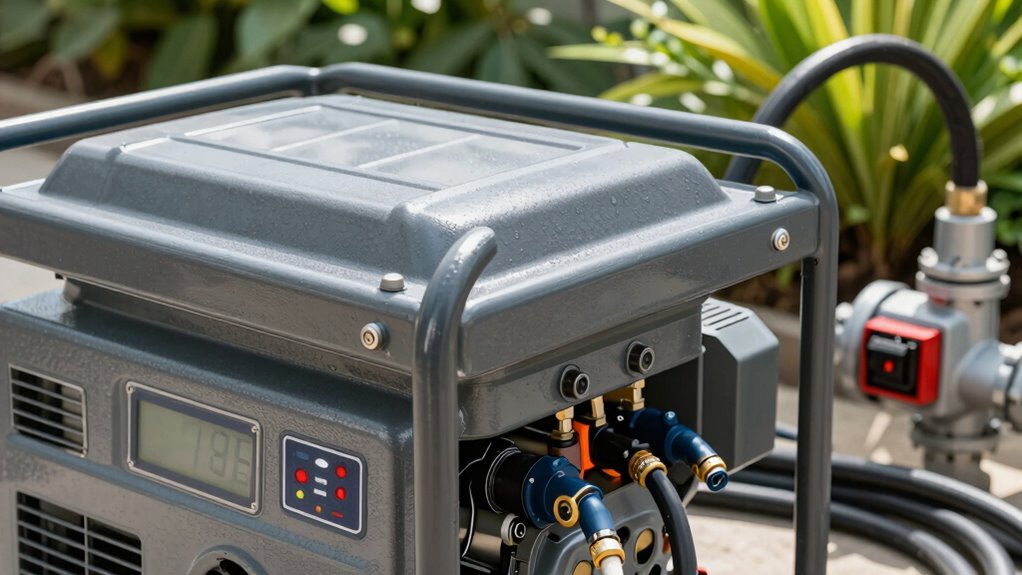
Regularly testing and maintaining your backup power system guarantees it will perform reliably when you need it most. Use smart monitoring tools to track system status and identify issues early. Schedule routine inspections, checking battery levels and connections. Keep your system up to date with the latest system upgrades to enhance performance and reliability. Conduct periodic test runs to ensure the generator or inverter activates properly during outages. Inspect for corrosion, loose wiring, or leaks that could compromise operation. Maintain a log of all tests and maintenance activities for quick reference. By staying proactive, you reduce the risk of unexpected failure and ensure continuous water flow from your well during power outages. This diligent approach keeps your backup system in peak condition when it counts.
Common Mistakes to Avoid When Setting Up Backup Power for Your Well
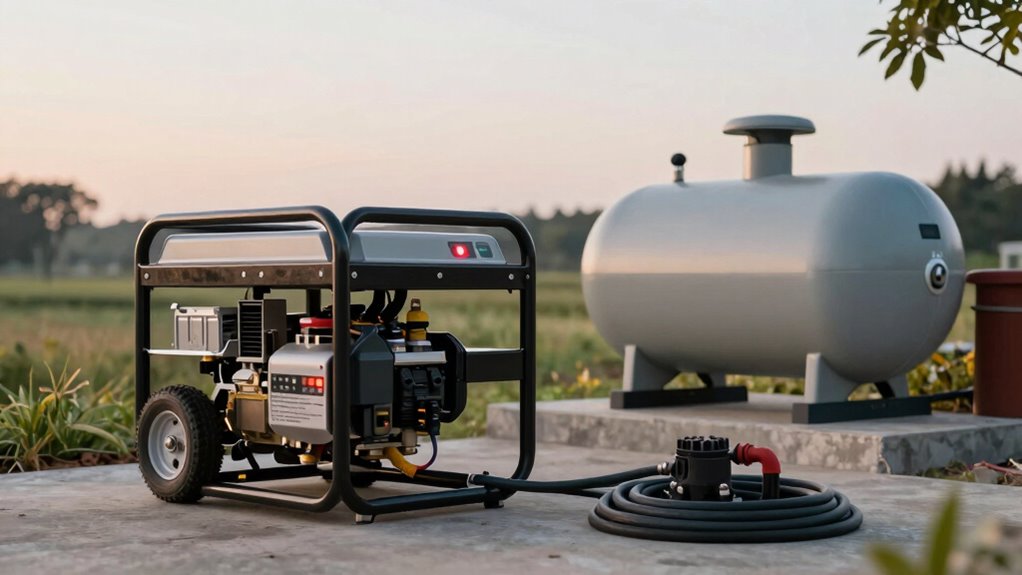
Setting up your backup power system correctly from the start can prevent costly mistakes and guarantee reliable operation during outages. One common error is neglecting backup safety, which can lead to dangerous situations or equipment damage. Another mistake is overlooking power redundancy, leaving your system vulnerable if the primary backup fails. To avoid these issues, consider this table:
| Mistake | Solution | Impact |
|---|---|---|
| Skipping regular testing | Schedule routine checks | Ensures system readiness |
| Ignoring proper grounding | Follow safety standards | Prevents electrical hazards |
| Underestimating power needs | Calculate all loads accurately | Maintains consistent water flow |
Avoid these pitfalls to keep your well pump running safely and reliably during power outages.
Budgeting and Costs for Backup Power Solutions

Budgeting for backup power solutions involves understanding the true costs beyond just purchasing equipment. Conducting a thorough cost analysis helps you identify hidden expenses and guarantee your budget planning is accurate. Consider factors like the initial price of generators or batteries, installation fees, and ongoing maintenance costs. You’ll also need to account for fuel, replacement parts, and potential upgrades over time. Visualize your budget as a landscape with these elements:
Understanding the true costs of backup power ensures reliable, budget-friendly solutions.
- Emergency power system purchase
- Professional installation
- Regular maintenance and inspections
- Fuel or energy source expenses
- Future upgrades and replacements
Being aware of these costs helps you allocate funds wisely and avoid surprises, ensuring reliable backup power when you need it most. Proper budget planning keeps your well pump protected without overspending.
Next Steps: Planning and Installing Your Well Pump Backup System

After understanding the costs involved, it’s time to plan and install your backup power system for your well pump. Start by evaluating your home’s power needs and choosing a reliable generator or alternative power source. Proper system integration is vital—confirm your backup connects seamlessly with your existing setup and includes automatic transfer switches if needed. During installation, follow maintenance tips like checking connections regularly and testing your system periodically to guarantee readiness. Consider professional help to guarantee safety and proper setup. Once installed, create a maintenance schedule that includes inspecting fuel levels, testing backup operation, and updating any system components. This proactive approach ensures your backup system functions reliably when you need it most, keeping your water supply uninterrupted during power outages.
Frequently Asked Questions
How Long Can My Backup Power System Sustain Well Pump Operation?
Your backup power system’s runtime depends on your generator’s capacity and your battery’s capacity if you’re using a battery backup. Typically, a generator can run anywhere from a few hours to over 12 hours, depending on its size and load. Battery systems may last from several hours up to a day or more, depending on their capacity. Regularly check your generator’s runtime and battery capacity to guarantee continuous well pump operation during outages.
Are There Specific Regulations or Permits Required for Backup Power Installations?
You need to check local regulations and permit requirements for backup power installations. Regulatory compliance varies by location, so contact your city or county building department to determine if you need permits or inspections. Some areas may have specific codes for generator installation or electrical work. Failing to obtain the necessary permits can lead to fines or problems during home inspections, so always verify permit requirements before starting your backup power project.
Can I Upgrade My Existing Well Pump Backup System Later?
Yes, you can upgrade your existing well pump backup system later. Just keep in mind that generator maintenance is essential to guarantee reliable power, and if you switch to a battery backup, monitor its battery lifespan regularly. Upgrading might involve installing a more powerful generator or better batteries. Planning ahead helps, so consult a professional to make sure your new system integrates smoothly with your current setup.
What Are the Signs That My Backup Power System Needs Maintenance?
If your backup power system suddenly fails to start or runs erratically, it’s a sign you need maintenance. Check your battery health—if it’s swollen, leaking, or won’t hold a charge, it’s time for a replacement. Also, inspect circuit integrity; loose or corroded connections can cause major failures. Regularly testing your system guarantees it’s ready when you need it most, preventing a catastrophic well pump shutdown.
How Do Weather Conditions Affect Backup Power System Performance?
Weather impact can considerably affect your backup power system’s performance, especially during seasonal fluctuations. Extreme cold can cause batteries to lose capacity, while heat may lead to overheating of electrical components. Storms or heavy snow can block access or damage equipment. To guarantee reliability, regularly inspect your system for weather-related issues, and consider weatherproofing or upgrading components suited for your climate. This proactive approach keeps your well pump running smoothly year-round.
Conclusion
Don’t wait until a power outage hits and leaves you stranded in silence. Think of your backup system as a safety net beneath a tightrope—you want it strong and reliable. Regular testing and maintenance keep it ready to catch you when you need it most. By planning ahead and avoiding common pitfalls, you’ll guarantee your well pump keeps flowing smoothly, no matter how stormy the skies. Stay prepared, and your water supply will never fall silent.