3D printing for constructing shelters allows you to build structures quickly, cost-effectively, and sustainably. Using precise material deposition, you reduce waste and lower costs while creating durable, complex designs suited for various environments. This technology strengthens structures, helps meet safety standards, and withstands weather and seismic conditions. With ongoing advancements, 3D printing is transforming how we approach shelter construction—stay with us to discover more about this innovative solution.
Key Takeaways
- Enables rapid construction of durable, cost-effective shelters suitable for emergencies and remote locations.
- Uses precise material deposition to minimize waste and reduce construction costs.
- Allows complex, customized designs with strong load-bearing capabilities.
- Produces environmentally friendly shelters with enhanced longevity and resistance to weather conditions.
- Facilitates scalable, sustainable housing solutions addressing global shortages efficiently.

Have you ever wondered how 3D printing is revolutionizing shelter construction? This innovative technology is transforming the way we build, making the process faster, more affordable, and adaptable to various needs. One of the most significant advantages is how 3D printing enables material optimization. Instead of using large amounts of raw materials wastefully, 3D printers precisely deposit only what’s necessary, reducing excess and minimizing waste. This efficiency not only lowers costs but also lessens the environmental impact. You can select specialized materials that are lightweight yet strong, tailored to withstand local weather conditions. As a result, structures are optimized for durability and sustainability, guaranteeing they last longer and perform better over time.
3D printing optimizes materials, reducing waste and enhancing durability for faster, more sustainable shelter construction.
The strength and safety of these printed shelters rely heavily on their structural integrity. When you’re designing a 3D-printed shelter, the technology allows for complex geometries and load-bearing structures that traditional construction methods might struggle to achieve. The material distribution within the design is meticulously planned, creating a solid framework that can resist environmental stresses such as wind, rain, or seismic activity. This precision guarantees that each layer of material bonds securely, reinforcing the overall structure. Because the process is highly customizable, you can incorporate reinforcements exactly where needed, enhancing the shelter’s resilience. The ability to fine-tune the internal architecture means that even in resource-constrained settings, you can build safe, sturdy homes that meet stringent safety standards. Additionally, advances in 3D printing materials are expanding the potential for building with even more durable and environmentally friendly options.
Furthermore, 3D printing allows for rapid construction, which is vital during emergencies or in remote areas where traditional building methods might be impractical. You can produce entire shelters in a matter of days, sometimes even hours, depending on the size and complexity. This speed does not come at the expense of quality; instead, it’s complemented by the precise control over material placement, ensuring each structure maintains high standards of structural integrity. As the technology advances, materials are becoming more versatile, enabling the construction of multi-story buildings or complex designs that were previously impossible to create with conventional techniques.
In essence, 3D printing is redefining shelter construction by optimizing material use and guaranteeing robust, resilient structures. It empowers you to design and build homes that are not only cost-effective but also environmentally friendly and structurally sound. As this technology continues to evolve, it holds the potential to address housing shortages worldwide, providing safe, durable shelter solutions tailored to diverse environments and communities.
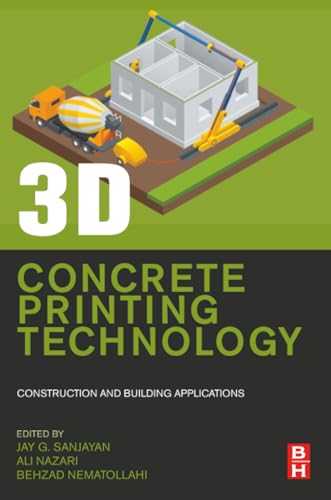
3D Concrete Printing Technology: Construction and Building Applications
As an affiliate, we earn on qualifying purchases.
As an affiliate, we earn on qualifying purchases.
Frequently Asked Questions
What Are the Environmental Impacts of 3D Printed Shelter Materials?
You should consider that 3D printed shelter materials can have mixed environmental impacts. Their recycling potential is promising, allowing you to reuse materials and reduce waste. However, you need to be aware of material toxicity, as some plastics or composites may release harmful chemicals during production or degradation. By choosing eco-friendly, recyclable materials, you can minimize negative effects and promote sustainable shelter construction.
How Does 3D Printing Compare Cost-Wise to Traditional Construction Methods?
You’ll find that 3D printing often costs less than traditional construction because material costs are lower, especially with recycled or specialized materials. Plus, it reduces labor costs markedly since fewer workers are needed and construction times are shorter. While initial setup can be pricey, the overall savings on materials and labor make 3D printing a cost-effective alternative for building shelters efficiently and economically.
What Are the Limitations of Current 3D Printing Technology for Large-Scale Shelters?
You’ll find that current 3D printing technology faces scaling challenges, making it difficult to produce large-scale shelters efficiently. Material limitations also restrict the size, durability, and variety of structures you can create. These hurdles mean that while 3D printing is innovative, it’s not yet fully ready to replace traditional methods for big projects. Overcoming these issues will be key for its broader adoption in constructing large-scale shelters.
Can 3D Printed Shelters Be Easily Modified or Expanded Later?
You’ll find that 3D printed shelters offer limited modification flexibility and expansion potential. Only about 20% of structures can be easily adapted later, mainly due to the rigid nature of printed materials. While some designs allow for minor tweaks, large-scale modifications require significant reconstruction. If you need adaptable, expandable shelters, traditional building methods might be more suitable, as 3D printing currently falls short in providing easy future modifications.
How Do 3D Printed Shelters Perform in Extreme Weather Conditions?
You’ll find that 3D printed shelters perform quite well in extreme weather conditions, thanks to their weather resilience and material durability. The materials used, like specialized concrete or composites, withstand heavy rain, wind, and even temperature fluctuations. However, ongoing research continues to improve their resilience, so it’s crucial to take into account the specific materials and design features to ensure your shelter remains durable and safe in harsh environments.
Conclusion
Imagine 3D printing as planting seeds for a future where shelters grow rapidly and effortlessly. With each layer, you’re building not just a structure, but a foundation for hope and safety. This technology transforms the landscape of emergency and affordable housing, like a sculptor shaping dreams into reality. As you embrace 3D printing, you’re paving the way for a world where everyone has a place to call home—solid, strong, and ready to flourish.