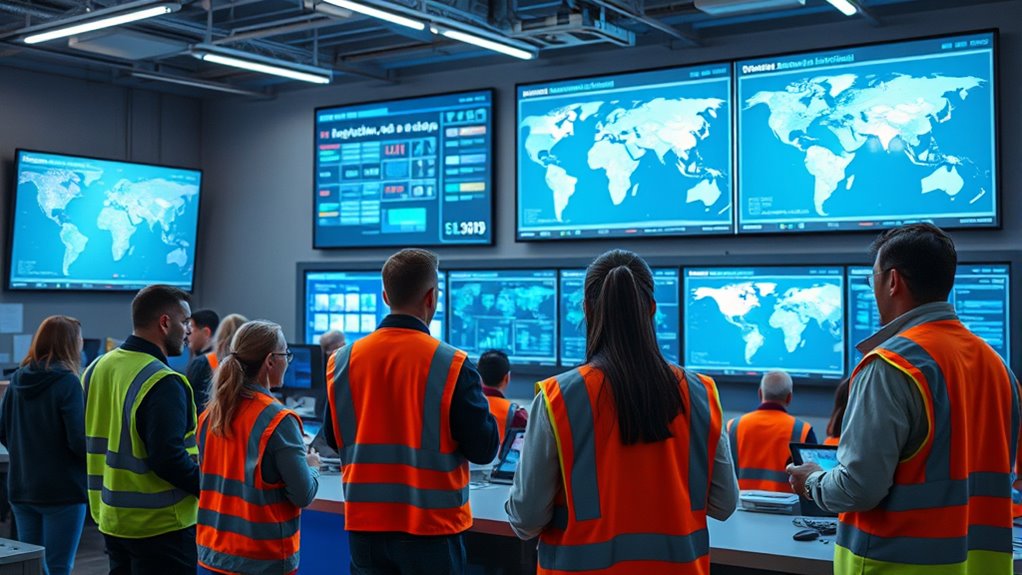

Blockchain enhances disaster relief logistics by enabling transparent, secure, and efficient management of donations and supply chains. It allows you to track aid with an immutable ledger, reducing fraud and delays. Digital currencies facilitate quick, cross-border donations, while smart contracts automate aid delivery processes. With real-time data access and enhanced security, your relief efforts become more trustworthy and resilient during crises. Exploring further reveals how these innovations streamline aid distribution and strengthen relief operations.

Get emergency and outdoor gear delivered free with Prime
- Fast, free delivery on millions of items
- Prime Video, Amazon Music and more included
- Member-only deals all year
Key Takeaways
- Blockchain enables transparent tracking of aid supplies, verifying origin, movement, and receipt to prevent fraud and theft.
- Digital currencies facilitate swift, cross-border donations, bypassing banking delays and restrictions during emergencies.
- Smart contracts automate fund releases upon confirming shipment or delivery, reducing administrative delays.
- Immutable ledger records ensure accountability and transparency among donors, aid organizations, and governments.
- Real-time data sharing enhances coordination, improves supply chain efficiency, and ensures aid reaches those in need promptly.

In disaster relief operations, ensuring that aid reaches those in need quickly and efficiently can be a formidable challenge. When every second counts, tracking the flow of supplies and funds becomes critical. Blockchain technology offers a promising solution, particularly through its ability to facilitate cryptocurrency donations and enhance supply chain transparency. Cryptocurrency donations make it easier for individuals and organizations around the world to contribute swiftly, bypassing traditional banking delays. These digital currencies can be transferred instantly, guaranteeing that funds arrive in disaster zones without the obstacles of currency conversions or banking restrictions. However, without proper oversight, these donations risk being misallocated or lost. Blockchain’s transparent ledger can track every transaction, giving donors confidence that their contributions are used effectively.
Blockchain enhances disaster relief by ensuring swift cryptocurrency donations and transparent supply chain management.
Supply chain transparency is another essential aspect where blockchain excels. Disaster relief logistics involve complex networks of suppliers, warehouses, transportation providers, and local agencies. Maintaining visibility into this intricate web is crucial for avoiding delays and preventing corruption. Blockchain creates a shared, immutable record of each transaction—whether it’s the delivery of medical supplies, food, or shelter materials. This transparency ensures everyone involved can verify the origin, movement, and receipt of aid, reducing the risk of fraud or theft. It also streamlines coordination, as all parties access real-time data, avoiding duplicated efforts or missing shipments. Additionally, the integration of digital platforms facilitates seamless communication and data sharing among stakeholders.
Implementing blockchain in disaster relief logistics means that stakeholders can automate processes through smart contracts, which execute automatically when predefined conditions are met. For example, a smart contract could release funds once a shipment is confirmed delivered to a designated location. This automation reduces administrative overhead and speeds up response times. Additionally, blockchain’s decentralization minimizes reliance on a single authority, making the system more resilient during crises when traditional infrastructure might be compromised.
You also benefit from blockchain’s security features, which safeguard sensitive data from tampering or unauthorized access. In disaster scenarios, where chaos often reigns, having a secure, tamper-proof record of transactions and donations provides peace of mind. It guarantees accountability and fosters trust among donors, aid organizations, and local governments. As you navigate the complexities of disaster relief, leveraging blockchain’s capabilities for cryptocurrency donations and supply chain transparency can make your efforts more effective, transparent, and responsive. Ultimately, it empowers you to deliver aid more swiftly, track resources accurately, and guarantee that help reaches those who need it most, when they need it most.
Frequently Asked Questions
How Does Blockchain Improve Transparency in Disaster Relief Efforts?
You see how blockchain improves transparency in disaster relief efforts by providing a clear, immutable record of transactions. When you use cryptocurrency donations, every contribution is traceable, ensuring funds reach the right hands. Smart contracts automatically execute agreements, reducing fraud and delays. This transparency builds trust among donors and recipients, making the entire relief process more efficient and accountable.
What Are the Main Technical Challenges of Implementing Blockchain in Disaster Zones?
Imagine trying to fit a massive puzzle into a tiny box—that’s what implementing blockchain in disaster zones feels like. Scalability issues and hardware limitations challenge you because networks struggle to handle high transaction volumes, and limited infrastructure hampers device compatibility. These technical hurdles slow down data sharing and coordination, making it tough to deploy blockchain solutions swiftly and effectively during crises, when every second counts.
How Does Blockchain Handle Data Privacy Concerns During Relief Operations?
You handle data privacy in blockchain relief operations through data encryption and access controls. Encryption guarantees sensitive information remains secure and unreadable to unauthorized users. Access controls limit who can view or modify data, protecting victims’ privacy and sensitive logistics details. By combining these methods, you can maintain transparency while safeguarding personal information, ensuring relief efforts are effective and ethically responsible during disaster zones.
Can Blockchain Technology Be Integrated With Existing Logistics Systems?
Imagine fitting a new puzzle piece into an intricate mosaic—you can do it smoothly when the pieces are compatible. Blockchain technology can be integrated with your existing logistics systems by enhancing data interoperability and bridging legacy systems. This seamless connection transforms your operations into a well-oiled machine, ensuring transparency and efficiency. With proper integration, blockchain becomes the essential link that keeps all parts working harmoniously during disaster relief efforts.
What Are the Costs Associated With Deploying Blockchain Solutions for Disaster Relief?
You’ll find that deploying blockchain solutions involves significant costs, including technology development, infrastructure setup, and ongoing maintenance. Conducting a thorough cost analysis helps you understand these expenses and plan effectively. Funding challenges may arise, requiring you to seek grants or partnerships. While initial investments are high, the long-term benefits like transparency and efficiency can justify the costs, ultimately improving disaster relief efforts and resource management.
Conclusion
By embracing blockchain technology, you can revolutionize disaster relief logistics, making aid delivery more transparent and efficient. Imagine a future where, like the ships of the Armada, your efforts sail smoothly through chaos. Though it might seem like a leap into the digital age, adopting blockchain now guarantees you’re prepared for tomorrow’s challenges. Don’t wait for a “DeLorean” moment—start integrating blockchain today to create resilient, trustworthy aid networks that stand the test of time.
Columbus Day / Indigenous Peoples' Day Picks
long weekend sales
As an affiliate, we earn on qualifying purchases.